ISRO Launches START 2026 Programme to Inspire India’s Next Generation of Space Scientists

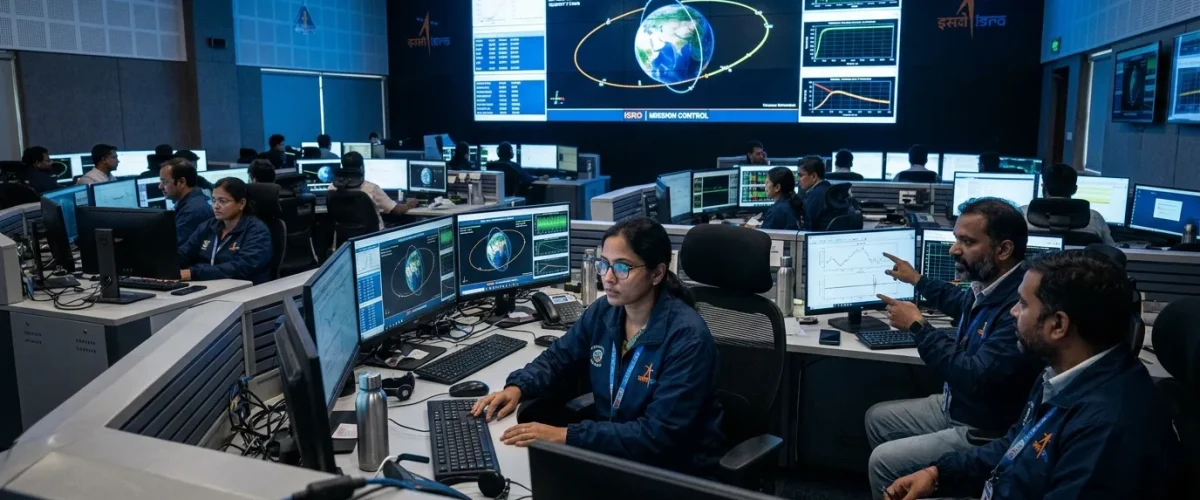
The Indian Space Research Organisation (ISRO) has officially inaugurated its Space Science and Technology Awareness Training (START 2026) programme, marking another significant step in the nation’s mission to cultivate a robust pipeline of space scientists and engineers for the future. Launched on 11 March 2026, the programme underscores India’s deepening commitment to space education and the democratisation of scientific knowledge across the country.
A New Chapter in Space Education
The START 2026 programme represents the latest iteration of ISRO’s flagship outreach initiative, designed to introduce undergraduate and postgraduate students to the multifaceted world of space science and technology. Unlike its predecessors, the 2026 edition has been substantially expanded in both scope and reach, incorporating modules on satellite communication, remote sensing, propulsion systems, planetary science, and the emerging domain of space debris management.
ISRO Chairman S. Somanath, speaking at the inauguration ceremony held at the Vikram Sarabhai Space Centre in Thiruvananthapuram, described the programme as a “bridge between academic curiosity and professional excellence in the space sector.” He emphasised that India’s ambitious space agenda — which includes the Gaganyaan human spaceflight mission, the Chandrayaan-4 lunar sample return, and the country’s first solar observatory follow-up — demands a continuous influx of trained talent.
“India’s space programme has reached a point where we are no longer simply participants in the global space economy — we are among its leaders,” Somanath remarked. “But sustained leadership requires sustained investment in human capital. START 2026 is our answer to that imperative.”
Expanding Access Across the Nation
One of the most notable features of the 2026 programme is its enhanced accessibility. Previous editions of START were conducted primarily in a virtual format with limited interactive components. This year, ISRO has partnered with over 50 universities and technical institutions across 22 states to offer hybrid learning modules that combine online lectures with hands-on laboratory sessions at designated ISRO outreach centres.
The programme has attracted over 25,000 registrations within its first two weeks — a record figure that ISRO officials attribute to growing public interest in the space sector, particularly following the success of India’s Chandrayaan-3 and Aditya-L1 missions. Students from institutions in Tier-2 and Tier-3 cities constitute nearly 40 per cent of the applicant pool, a statistic that ISRO has highlighted as evidence of the programme’s success in reaching beyond traditional metropolitan centres of scientific education.
Curriculum Highlights and Industry Collaboration
The START 2026 curriculum has been co-developed with input from leading space agencies, including NASA, ESA, and JAXA, reflecting the increasingly collaborative nature of India’s space diplomacy. Key modules include an introduction to the NISAR satellite — the jointly developed ISRO-NASA synthetic aperture radar satellite scheduled for launch aboard the GSLV-F16 — as well as sessions on small satellite design, launch vehicle engineering, and astrobiology.
In a first for the programme, ISRO has also integrated industry participation, with Indian space start-ups such as Skyroot Aerospace, Agnikul Cosmos, and Pixxel contributing guest lectures and mentorship opportunities. This reflects the broader transformation of India’s space ecosystem, which has opened significantly to private participation since the establishment of IN-SPACe (Indian National Space Promotion and Authorisation Centre) in 2020.
“The future of India’s space programme is not ISRO alone — it is ISRO plus a vibrant private sector ecosystem,” said Pawan Goenka, chairman of IN-SPACe. “START 2026 recognises this reality by exposing students to both public and private career pathways in the space industry.”
Gaganyaan and the Human Spaceflight Imperative
A significant portion of the START 2026 programme is dedicated to India’s Gaganyaan mission, which remains one of the most closely watched space endeavours globally. ISRO’s plans for 2026 include the uncrewed G1 mission featuring Vyommitra, the humanoid robot developed to test life support systems in orbital conditions, ahead of the crewed mission planned for 2027.
The programme’s Gaganyaan module covers crew training protocols, spacecraft design, thermal protection systems, and the physiological challenges of microgravity — topics that ISRO hopes will inspire a new generation of aerospace engineers and flight surgeons. With India poised to become only the fourth nation to independently send humans to space, the educational dimension of Gaganyaan has taken on heightened significance.
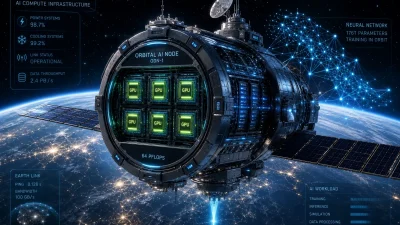
India’s space ambitions have also been complemented by advancements in artificial intelligence that are enhancing satellite data analysis and mission planning capabilities across multiple ISRO programmes.
Strategic Implications for India’s Space Economy
The START 2026 programme arrives at a pivotal moment for India’s space economy, which is projected to reach $44 billion by 2033 according to the Indian Space Association. The sector’s growth is being driven by increasing demand for satellite-based services in telecommunications, agriculture, urban planning, and defence — all areas where trained personnel are in acute shortage.
According to a recent report by NASSCOM, India will need approximately 50,000 additional space technology professionals by 2030 to meet the demands of both ISRO and the burgeoning private space sector. Programmes like START are seen as essential to closing this skills gap, particularly in specialised domains such as orbital mechanics, space law, and satellite data analytics.
The programme also aligns with the broader objectives of India’s National Education Policy 2020, which emphasises interdisciplinary learning and the integration of research into undergraduate education. Several participating universities have indicated that they plan to offer academic credit for successful completion of the START modules, further incentivising student participation.
Looking Ahead: ISRO’s 2026 Launch Calendar
Beyond START, ISRO’s 2026 agenda is among its most ambitious to date. The organisation has announced a schedule that includes multiple PSLV and GSLV launches, the maiden flight of a privately developed launch vehicle under IN-SPACe authorisation, and continued development of the Next Generation Launch Vehicle (NGLV). The NISAR satellite launch, a collaboration with NASA that will provide unprecedented radar imaging of Earth’s surface, remains the marquee mission of the year.
The convergence of educational outreach, private sector engagement, and an aggressive launch schedule positions India’s space programme for what analysts describe as its most consequential year since the Chandrayaan-3 success. As ISRO continues to expand its horizons — both literally and figuratively — the START programme serves as a reminder that the foundation of any great space programme is, ultimately, its people.
The enthusiasm surrounding India’s space achievements mirrors the country’s broader sporting ambitions, as demonstrated by the national fervour surrounding the IPL 2026 season, which has similarly captured the imagination of millions across the nation.