Cabinet Approves Rs 10,000 Crore ATF Price Stabilization Fund to Shield Airlines from Iran War Fuel Surge

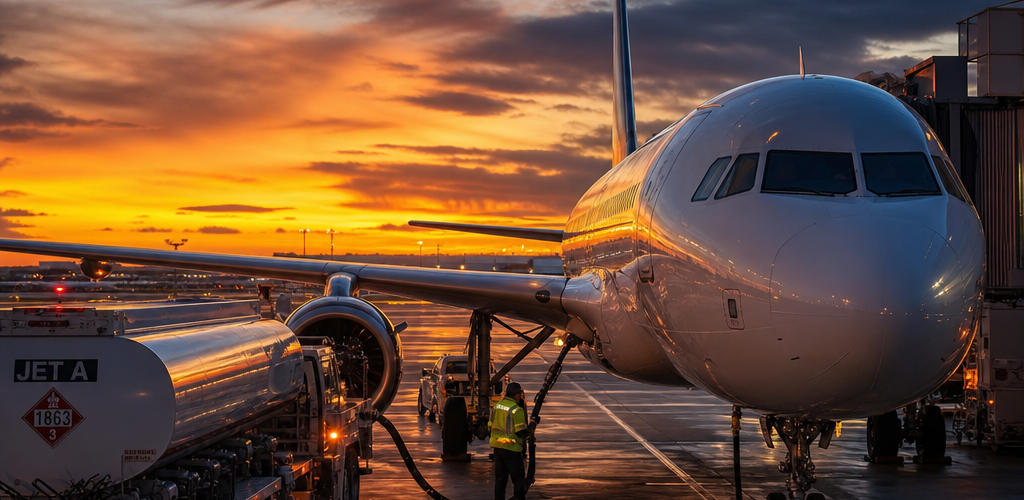
The Union Cabinet on Wednesday approved a Rs 10,000 crore Aviation Turbine Fuel (ATF) Price Stabilization Fund, creating a financial buffer to protect India’s aviation sector from the sharp spike in fuel costs driven by the ongoing conflict between the United States and Iran. The fund will operate as a self-sustaining revolving mechanism, channelled through interest-free loans to oil marketing companies (OMCs) that supply ATF to domestic carriers.
Why Aviation Fuel Prices Are Spiking
Aviation turbine fuel — the kerosene-based jet fuel that powers commercial aircraft — has seen its price surge by over 35 percent since the escalation of hostilities in the Persian Gulf region in early March 2026. With the Strait of Hormuz intermittently disrupted and Iranian crude oil effectively off global markets, Brent crude has traded between $90 and $110 per barrel for most of 2026.
For Indian airlines, fuel typically represents 35 to 40 percent of operating costs — the single largest expense line. Every $10 increase in crude oil prices translates to approximately Rs 4,000 to Rs 5,000 per kilolitre increase in ATF prices. Since January, domestic ATF prices have risen from roughly Rs 90,000 per kilolitre to over Rs 1,20,000 per kilolitre in some metros — a level that makes many routes unprofitable.
Unlike global carriers that hedge fuel costs months or years in advance, Indian airlines have historically done limited hedging due to regulatory restrictions and the costs involved. This leaves them acutely exposed to spot market volatility — exactly the kind of sustained price shock the Iran conflict has created.
How the Fund Works
The ATF Price Stabilization Fund is structured as a revolving credit facility. The government will infuse Rs 10,000 crore into a corpus managed by the Ministry of Petroleum and Natural Gas. When ATF prices breach a pre-determined ceiling (reportedly set at Rs 1,00,000 per kilolitre), OMCs such as Indian Oil Corporation, Bharat Petroleum, and Hindustan Petroleum will draw interest-free loans from the fund to absorb the excess cost rather than passing it through to airlines.
When ATF prices fall below a floor threshold, the OMCs replenish the fund — making the mechanism self-sustaining over time. The structure is modelled on India’s existing LPG subsidy framework and is designed to smooth out price volatility rather than permanently subsidise fuel.
The economic rationale is clear. India’s aviation sector supports approximately 77 lakh (7.7 million) direct and indirect jobs, according to the International Air Transport Association (IATA). Airline failures or severe route cutbacks due to unsustainable fuel costs would have cascading effects on tourism, business travel, and the logistics sector.
Impact on Airlines and Passengers
India’s major carriers — IndiGo, Air India, SpiceJet, and Akasa Air — have all been under severe financial pressure from elevated fuel costs. IndiGo, India’s largest airline by market share, reported a 60 percent decline in quarterly profit in its most recent earnings, citing fuel costs as the primary drag. Air India, in the midst of its post-privatisation transformation under Tata Group, has been absorbing losses on international routes where competitive pressures limit fare increases.
SpiceJet, which has been teetering on financial viability for over two years, faces the most acute threat. The budget carrier’s razor-thin margins offer no buffer for sustained fuel price spikes, and aviation analysts have flagged the risk of route suspensions or fleet groundings if costs remain elevated through the monsoon season.
For passengers, the fund should moderate fare increases on domestic routes. Without the stabilization mechanism, airlines would have little choice but to impose fuel surcharges of Rs 500 to Rs 2,000 per ticket — costs that directly reduce demand and hit the budget travel segment hardest. The fund does not eliminate the underlying cost pressure but buys time for the aviation sector to adjust.
How It Connects to Broader Economic Strategy
The ATF fund is part of a broader set of fiscal measures the government has adopted in response to the West Asia conflict. The Centre recently halved the windfall tax on petrol exports and slashed levies on diesel and ATF from June 1, providing OMCs with additional breathing room.
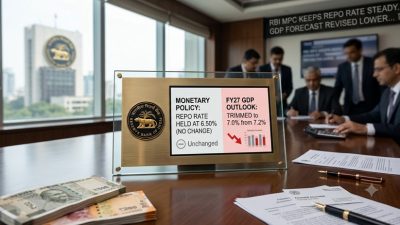
The government’s approach reflects a lesson learned from previous oil shocks: allowing fuel cost pass-throughs to cascade through the economy unchecked leads to inflationary spirals that ultimately cost more than targeted intervention. The RBI’s monetary policy committee, which met last week, flagged supply chain disruptions and energy prices as key risks to the inflation outlook.
Industry bodies have broadly welcomed the fund while noting its limitations. The Federation of Indian Airlines pointed out that Rs 10,000 crore may prove insufficient if the conflict extends beyond six months, and urged the government to consider expanding the corpus or introducing complementary measures such as allowing airlines to hedge fuel on commodity exchanges without margin requirements.
What Happens Next
The Ministry of Petroleum is expected to issue detailed operational guidelines for the fund within two weeks. Airlines are lobbying for the price ceiling to be set at Rs 95,000 per kilolitre rather than Rs 1,00,000 — arguing that the current pricing already embeds unsustainable costs. The outcome of this negotiation will determine whether the fund provides genuine relief or merely symbolic support.
The fund also carries political significance. Aviation connectivity is a visible barometer of economic progress, and the government’s UDAN regional connectivity scheme has expanded air travel to tier-2 and tier-3 cities that are particularly sensitive to fare increases. Allowing fuel costs to price out budget travellers from these routes would undermine one of the government’s flagship infrastructure achievements.
For now, the Rs 10,000 crore commitment provides a buffer. Whether it proves sufficient depends on factors beyond anyone’s control — the duration of the Iran conflict, the trajectory of crude oil prices, and the resilience of an aviation sector that was still recovering from the pandemic when the next crisis arrived.