Israel Temporarily Closes Airspace After Intercepting Ballistic Missile Launched by Yemen’s Houthi Rebels

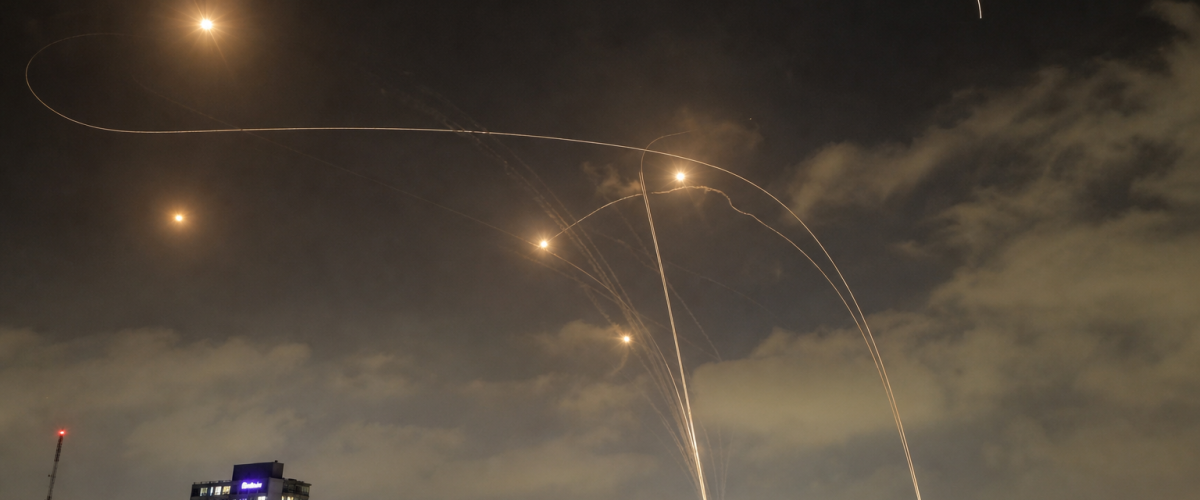
Israel temporarily closed its airspace on Sunday, 8 June 2026, after its air defence systems intercepted a ballistic missile launched by Yemen’s Houthi movement. Air raid sirens were triggered across central Israel — including Tel Aviv, West Jerusalem, and surrounding areas — prompting millions of residents to seek shelter and forcing the temporary suspension of flights at Ben Gurion International Airport, the country’s primary aviation hub.
The Israeli military confirmed that the missile was intercepted before impact and that no casualties or damage were reported. However, the incident represents a continuation of the Houthi campaign of strikes against Israel that began in March 2026 in coordination with Iran’s broader military operations in the region.
Details of the Interception
According to the Israel Defense Forces (IDF), the ballistic missile was launched from Houthi-controlled territory in Yemen and was tracked as it travelled northward toward Israeli airspace. Israel’s multi-layered air defence network — which includes the Arrow, David’s Sling, and Iron Dome systems — intercepted the missile before it could reach its intended target.
The interception triggered automatic safety protocols, including the activation of air raid sirens across a large swathe of central and southern Israel. Residents in Tel Aviv, Jerusalem, and cities as far south as Beersheba were directed to seek shelter. The Israel Airports Authority temporarily closed all Israeli airspace as a precautionary measure, disrupting both departing and arriving flights.
Several commercial flights from destinations including Dubai and Amman were rerouted or delayed. The airspace was reopened within approximately an hour after the IDF confirmed that the threat had been neutralised, but the disruption highlighted the ongoing vulnerability of Israeli civil aviation to long-range missile attacks from non-state actors.
The Houthi Campaign Against Israel
The Houthi strikes on Israel resumed on 28 March 2026, after a pause following the 2025 Gaza war ceasefire. The Houthis, an Iranian-backed group that controls significant portions of northern Yemen, declared that their attacks were in solidarity with Palestinian resistance and would continue “until the aggression on all resistance fronts stops.”
Since March, the Houthis have launched multiple ballistic missiles and drones at Israeli territory, targeting both military installations and civilian infrastructure. Previous targets have included the southern city of Beersheba, the port city of Eilat, and the Tel Aviv metropolitan area. While most attacks have been intercepted by Israeli defences, the persistent nature of the campaign has imposed significant psychological and economic costs.
The Houthi military spokesperson, Yahya Saree, claimed responsibility for Sunday’s attack, stating that the group had launched a ballistic missile targeting “sensitive Israeli sites.” The claim could not be independently verified, but it followed the established pattern of Houthi statements following previous strikes.
Connection to the Broader Iran-Israel War
The Houthi strikes are widely understood as part of Iran’s regional strategy, in which Tehran leverages proxy forces across the Middle East to extend its military reach without engaging Israel directly. In addition to the Houthis, Hezbollah in Lebanon has also conducted operations against Israel during the current conflict, creating a multi-front security challenge for the Israeli military.
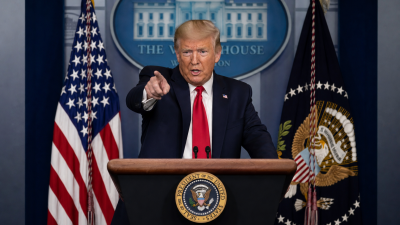
The missile attack came on the same day that US President Donald Trump publicly warned Netanyahu that he had “no choice” but to accept a US-brokered Iran peace deal. Trump’s remarks, reported by The Financial Times, appeared designed to pressure Israel into de-escalating its military operations and accepting a diplomatic resolution to the conflict.
India has been closely monitoring the situation in the Middle East, given the region’s importance as an energy supplier and the presence of a large Indian diaspora in Gulf states. New Delhi has been strengthening its own air defence capabilities, including the receipt of the fourth S-400 missile defence squadron from Russia, partly in response to the deteriorating security environment globally.
Impact on Maritime and Energy Security
Beyond the direct military threat, the Houthi campaign has had far-reaching consequences for global maritime trade. The group has targeted commercial shipping in the Red Sea and Gulf of Aden since late 2023, forcing major shipping lines to reroute vessels around the Cape of Good Hope and adding billions of dollars in additional freight costs.
The disruption to maritime trade routes has been a contributing factor to rising energy and commodity prices globally, including in India, where consumers have borne the brunt of higher LPG and fuel costs. The conflict’s impact on international trade dynamics has also complicated India’s efforts to finalise a bilateral trade agreement with the United States.
Israeli Response and Outlook
Israeli Defence Minister Israel Katz responded to the latest attack with a warning, stating that “Yemen’s fate will be the same as Tehran’s” — a reference to Israel’s strikes on Iranian military and nuclear targets during the current conflict. The statement suggested that Israel may be considering direct retaliatory strikes against Houthi positions in Yemen, which would represent a significant escalation.
However, with Washington pressing for a diplomatic resolution, the likelihood of a major Israeli military operation in Yemen remains uncertain. The US has its own naval presence in the region and has previously conducted strikes against Houthi targets, but Trump’s current diplomatic posture suggests a preference for negotiation over further military action.
For Israeli residents, the recurring missile threats have become a grim feature of daily life. The brief closure of airspace and the activation of sirens across major cities served as a reminder that the conflict, despite being thousands of kilometres away in its origin, continues to reach the country’s doorstep.

- Indian Army Gets New Chief as General Dwivedi Hands Over Command Amid Push for Indigenous Defence Tech - July 1, 2026
- Ayodhya Ram Temple Donation Scandal Deepens as Trustees Resign and SIT Arrests Eight - June 29, 2026
- Bengal Seven Weeks On: Modi’s Historic Win and the Questions That Won’t Go Away - June 28, 2026