TMC Crisis: 20 Rebel MPs Merge With NCPI, Seek Separate Bloc in Lok Sabha to Back NDA

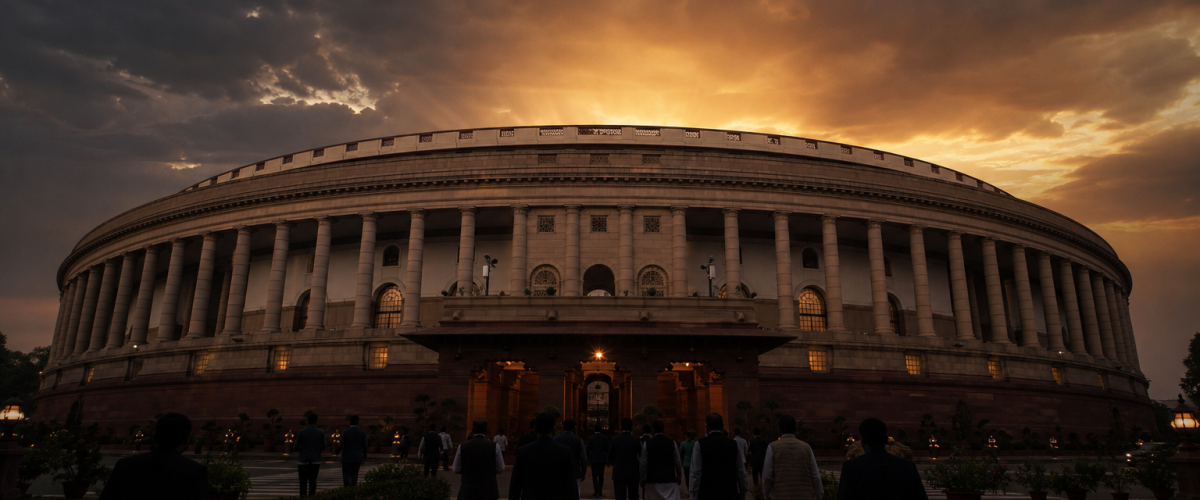
In what could reshape the landscape of Indian parliamentary politics, 20 rebel Trinamool Congress (TMC) Lok Sabha MPs have formally merged with the Nationalist Citizens Party of India (NCPI), a regional outfit, and sought recognition as a separate bloc in the Lok Sabha with the intention of supporting the ruling NDA government. The dramatic move, confirmed after the rebel faction met Lok Sabha Speaker Om Birla on Sunday evening, represents the most significant internal revolt against TMC supremo Mamata Banerjee in the party’s history.
The letter to the Speaker was submitted by rebel MPs Kirti Azad and Sagarika Ghose, claiming the support of 20 of the TMC’s 28 Lok Sabha members — well above the two-thirds threshold required for a valid merger under the Tenth Schedule of the Constitution, which governs defections and splits in Indian political parties. If the Speaker accepts the merger, it would effectively neutralise the TMC as a significant opposition force in the lower house.
Who Are the Rebel MPs?
The rebel camp includes several prominent TMC lawmakers, among them Sudip Bandyopadhyay, Kakoli Ghosh Dastidar, Saayoni Ghosh, Mala Roy, Satabdi Roy, and Arup Chakraborty. Before meeting the Speaker, the dissident group convened at the residence of Union Minister Bhupendra Yadav, with Kakoli Ghosh claiming they had as many as 22 MPs on their side — though the formal letter lists 20 signatories.
“We 20 MPs, who were elected from the AITC, have met the Speaker and given him a letter urging him to allow us to sit as a separate bloc. These 20 MPs, who constitute more than two-thirds of the TMC’s strength, have merged with the NCPI. We will support the NDA under the leadership of PM Modi,” said Kakoli Ghosh Dastidar to reporters after the meeting.
Sudip Bandyopadhyay confirmed the merger with NCPI, calling it a “regional party” and deflecting questions about whether the faction claimed to be the “real TMC” by saying that would be decided in court.
TMC’s Response: Legal Challenge Inevitable
The TMC leadership moved swiftly to counter the rebel faction. TMC parliamentary party leader Abhishek Banerjee — Mamata Banerjee’s nephew and the party’s national general secretary — wrote to Speaker Birla before the rebel delegation arrived, urging that “no recognition, status, or facilities be granted to any group claiming to be a separate faction of the party.”
The TMC’s legal argument centres on the Supreme Court’s landmark 2023 ruling in Subhash Desai v. Principal Secretary, Governor of Maharashtra, which addressed the Maharashtra political crisis involving the Shiv Sena split. That ruling established that no member or group of members can unilaterally carve out a parallel faction and claim independent recognition within the House — the political party itself must authorise any merger.
Constitutional expert PDT Achary supported this interpretation, noting that “so long as the MPs continue to be members of TMC, only the political party can merge with another party. That’s the law — the MPs cannot escape the law whether they merge with any other party.”
The Constitutional and Political Stakes
The constitutional battle will revolve around the Tenth Schedule’s provisions regarding mergers. While the anti-defection law prohibits individual members from switching parties, it allows a merger when two-thirds or more of a party’s legislators agree to merge with another party. The critical question is whether the merger must be authorised by the party’s central leadership or whether the legislators themselves can initiate and complete it.
If the Speaker accepts the merger, the NDA’s effective strength in the Lok Sabha would increase significantly, giving the government a more comfortable majority and reducing the opposition’s ability to challenge legislation and executive actions. It would also devastate the TMC’s presence in Parliament, reducing Mamata Banerjee’s national political leverage dramatically.
If the merger is rejected — or struck down by the courts — the rebel MPs could face disqualification under the anti-defection law, triggering by-elections that would further roil West Bengal politics and test the TMC’s grassroots strength.
Implications for West Bengal and National Politics
The rebellion reflects deep fractures within the TMC that have been building for months. Disagreements over party strategy, leadership succession, organisational functioning, and the growing concentration of power in the hands of Abhishek Banerjee have alienated several senior leaders who feel marginalised within the party structure.
The revolt also raises questions about the BJP’s role. The rebel MPs’ decision to support the NDA and their meeting at a Union Minister’s residence suggest a degree of coordination with the ruling party. For the BJP, the TMC split offers an opportunity to consolidate its position nationally while weakening its primary rival in West Bengal ahead of the 2027 state assembly elections.
For Mamata Banerjee, the crisis represents both a threat and an opportunity. While the immediate impact is damaging, history suggests that political leaders who survive such challenges often emerge stronger. Her response in the coming days and weeks — in Parliament, in the courts, and in the streets of West Bengal — will determine whether this rebellion marks the beginning of the TMC’s decline or a temporary setback in a longer political story.
Also Read
- TMC Split: 20 Trinamool MPs Break Ranks with Mamata Banerjee, Signal Support for NDA — Party Faces Existential Crisis
- Mamata Banerjee Leads Massive Sit-In Protest in Kolkata Over Post-Poll Violence and Attacks on TMC Leaders
- TMC Crisis Deepens as 60 of 80 MLAs Skip Mamata Banerjee Meeting After Alleged Attack on Nephew Abhishek in South 24 Parganas
- Mamata Banerjee Loses Bhabanipur Seat to Suvendu Adhikari by 15,105 Votes as BJP Ends TMC’s 15-Year Rule in West Bengal
- West Bengal Election Results 2026: BJP Storms to Historic Victory as Mamata Banerjee’s TMC Faces Shock Defeat After 15 Years in Power