TMC Split: 20 Trinamool MPs Break Ranks with Mamata Banerjee, Signal Support for NDA — Party Faces Existential Crisis

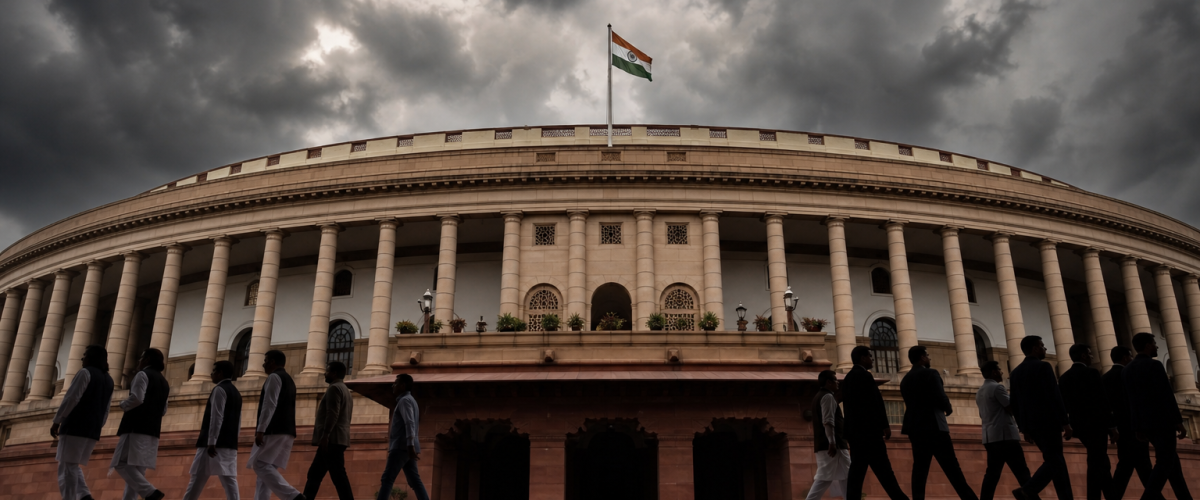
In a political earthquake that could reshape the dynamics of Indian opposition politics, approximately 20 Members of Parliament from the Trinamool Congress (TMC) have broken ranks with party supremo Mamata Banerjee, signalling their intention to form a separate parliamentary bloc and extend support to the ruling National Democratic Alliance (NDA). The dramatic split unfolded on June 8, 2026, in a stunning twist of irony — just a kilometre away from where the INDIA bloc opposition alliance was holding its seventh coordination meeting.
The Dramatic Day in Delhi
While Mamata Banerjee sat alongside Congress president Mallikarjun Kharge, Rahul Gandhi, Akhilesh Yadav, Tejashwi Yadav, and leaders from 25 opposition parties at the INDIA bloc meeting, discussing strategies to counter the BJP-led government, a group of TMC MPs were holding their own closed-door meeting at the residence of Union Minister Bhupender Yadav, barely a kilometre away.
The rebellion was led by veteran leader Sukhendu Sekhar Ray, who had served as TMC’s Rajya Sabha chief whip for 13 years. Ray resigned from the party, filed his formal letter of resignation, and walked out — taking with him at least 11 MPs who attended the meeting with BJP leadership on the day. Reports indicate that the total number of TMC parliamentarians ready to switch allegiance could be as high as 20, representing over 70 percent of the party’s Lok Sabha strength.
“We are forming a separate bloc in Parliament. We will support the NDA,” Ray declared outside the meeting. “We are the real Trinamool — the party that Mamata Banerjee founded with democratic principles has been reduced to a family enterprise.”
Roots of the Rebellion
The TMC split did not happen overnight. It is the culmination of months of simmering discontent within the party over several issues that have eroded the morale of rank-and-file leaders and parliamentarians.
At the centre of the rebellion is the growing dominance of Mamata Banerjee’s nephew, Abhishek Banerjee, in party affairs. Several senior leaders have privately expressed frustration at being sidelined in favour of younger leaders perceived to be part of the “family circle.” The organisational restructuring carried out by Abhishek in 2025 alienated several veteran leaders who found their influence diminished.
The TMC’s performance in recent by-elections, declining vote share in several parliamentary constituencies, and allegations of corruption involving party functionaries have also contributed to the growing disillusionment. Additionally, the party’s handling of the RG Kar Medical College controversy and its aftermath left many leaders uncomfortable with the leadership’s response.
INDIA Bloc Meeting — A Study in Contrasts
The timing of the split could not have been more damaging for the opposition’s optics. The INDIA bloc meeting, attended by representatives of 25 parties, was meant to project unity against the BJP government on issues ranging from the Special Intensive Revision (SIR) of electoral rolls, CBSE and NEET examination controversies, to economic concerns and constitutional questions.
Congress president Kharge used the meeting to demand the resignation of the Education Minister over NEET irregularities and announced that the INDIA bloc would write to the Chief Justice of India regarding allegations that crores of voter names were deleted during the SIR process.
However, the news of the TMC split overshadowed virtually every other agenda item. Political commentators noted that the development struck at the heart of the INDIA bloc’s credibility, raising questions about whether the alliance can function as a coherent opposition force if its constituent parties are themselves fracturing.
Mamata’s Response
Mamata Banerjee, who was reportedly blindsided by the scale of the rebellion, maintained a stoic public demeanour at the INDIA bloc meeting. However, sources close to the TMC leadership said the Chief Minister was “furious” and had initiated calls to individual MPs to gauge the extent of the damage.
TMC spokesperson Kunal Ghosh dismissed the rebels as “opportunists and BJP agents” who had been planning their exit for months. “These individuals were already in touch with the BJP. Their departure cleanses the party. TMC’s strength comes from the people of Bengal, not from a handful of turncoats,” Ghosh said.
However, the numbers tell a different story. If 20 of TMC’s 28 Lok Sabha MPs and its Rajya Sabha members defect, the party’s parliamentary strength would be decimated. The rebels claim they represent the “real Trinamool” and may seek legal recognition as a separate group, potentially triggering disputes over party symbols and legislative standing.
BJP’s Calculus
For the BJP, the TMC split represents a significant strategic gain. The ruling party, which has been steadily expanding its footprint in West Bengal, now stands to benefit from the organizational chaos within its primary rival in the state.
BJP sources indicated that the rebel TMC MPs would formally join the party in the coming weeks, though the process of integration would be handled carefully to avoid alienating existing BJP leaders in Bengal who have fought against TMC for years.
“This is a natural homecoming for leaders who believe in development, good governance, and nationalism,” said a senior BJP leader. “Mamata Banerjee’s authoritarian leadership style and the pervasive corruption in Bengal made this inevitable.”
Implications for Bengal Politics
The TMC split has profound implications for West Bengal’s political landscape ahead of the 2027 assembly elections. With a significantly weakened parliamentary presence, TMC’s ability to project itself as a national force is severely compromised. More critically, the defection of senior leaders could trigger a domino effect at the state level, where MLAs and local leaders may reassess their political allegiances.
Political analyst Partha Chatterjee (not to be confused with the arrested TMC leader of the same name) observed, “This is the most serious challenge Mamata Banerjee has faced since she founded the TMC. The party’s identity is inseparable from hers, but if the organizational structure collapses, even her personal popularity may not be enough to hold things together.”
Also Read
- Mamata Banerjee Loses Bhabanipur Seat to Suvendu Adhikari by 15,105 Votes as BJP Ends TMC’s 15-Year Rule in West Bengal
- West Bengal Election Results 2026: BJP Storms to Historic Victory as Mamata Banerjee’s TMC Faces Shock Defeat After 15 Years in Power
- West Bengal Governor Dissolves State Assembly After Mamata Banerjee Refuses to Resign as BJP Prepares to Form Government
- India Tears Into Pakistan at UN Security Council
The coming weeks will be critical in determining whether the TMC split is a fatal blow to the party or whether Mamata Banerjee, a politician known for her resilience and ability to fight back from adversity, can once again defy the odds and rebuild. For now, however, the political landscape of India’s opposition has been irrevocably altered.