72nd Senior National Kabaddi Championship 2026: Indian Railways Crowned Champions as States Battle for Supremacy

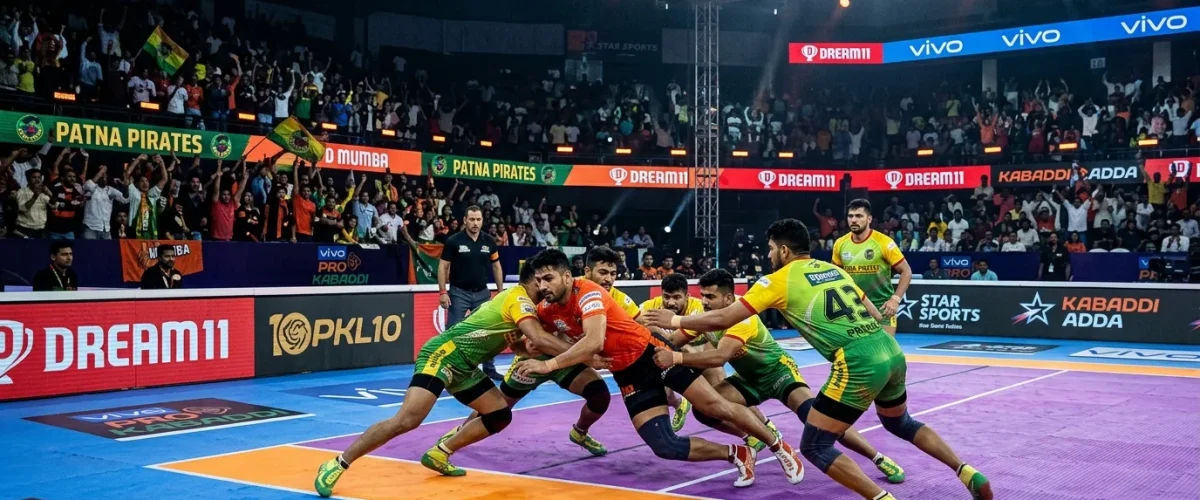
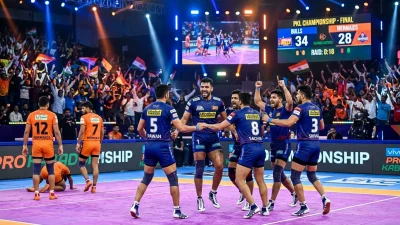
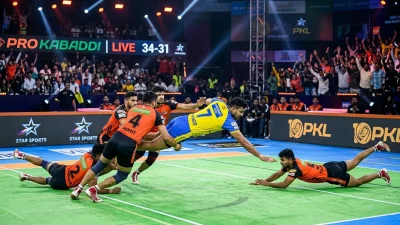
The 72nd Senior Men’s National Kabaddi Championship has concluded with Indian Railways claiming the title in dominant fashion, defeating Maharashtra by a comprehensive 18-point margin in the final. The tournament, which brought together the finest kabaddi talent from across India’s states and institutional teams, reaffirmed the sport’s deep grassroots strength and its capacity to produce riveting competition at the highest domestic level.
Indian Railways: A Dynasty Continues
Indian Railways’ victory in the 72nd Senior Nationals was a display of tactical supremacy and squad depth that has become synonymous with the institution’s kabaddi programme. The Railways team, which draws from a vast pool of athlete-employees stationed across the country, fielded a squad that combined experienced raiders with dynamic young defenders, creating a balanced unit that proved too strong for every opponent.
The final against Maharashtra was expected to be a closely fought contest, given Maharashtra’s strong track record in national kabaddi and the quality of their squad. However, Railways asserted their authority from the opening raid, building a lead through disciplined defensive work and clinical raiding that gradually wore down Maharashtra’s resistance. The 18-point winning margin in a national final is a statement of dominance that few teams in Indian kabaddi history can match.
Maharashtra’s Spirited Campaign
Maharashtra’s run to the final was impressive in its own right. The state, which has a rich kabaddi tradition rooted in its rural heartland, fielded a team that combined the physical power of traditional Maharashtra kabaddi with modern tactical awareness. Their victories en route to the final included several commanding performances that demonstrated their credentials as genuine title contenders.
The final loss, while disappointing, does not diminish the quality of Maharashtra’s campaign. The state continues to produce kabaddi talent at a prodigious rate, and their presence in the final of a national championship underscores the strength of their development programmes and the depth of the sport’s roots in the region.
Semi-Final Drama: Uttar Pradesh’s Upset and Maharashtra’s Conviction
The semi-finals produced compelling narratives. Uttar Pradesh’s shock upset of Services — a traditionally dominant force in Indian kabaddi — was among the tournament’s most dramatic results. The UP team’s aggressive raiding and resolute defending overwhelmed a Services squad that had been among the pre-tournament favourites.
Maharashtra’s semi-final victory was equally convincing, demonstrating the consistency that carried them through to the final. The ability of both semi-finalists from the non-Railways bracket to produce their best performances under pressure speaks to the improving competitive depth of Indian kabaddi at the national level.
Day-by-Day Highlights: States Making Their Mark
The group stages and early knockout rounds were enriched by strong performances from several states. Haryana, traditionally one of India’s kabaddi powerhouses, lived up to their reputation with commanding group stage performances. Tamil Nadu’s southern flair and Uttar Pradesh’s physicality added variety to the competition, while Delhi’s organised approach demonstrated the improving standard of kabaddi in the capital.
The tournament format, which allowed for matches across multiple days, ensured that every state had the opportunity to showcase their kabaddi culture and talent. For smaller states and emerging kabaddi regions, the Senior Nationals represent an invaluable platform for exposure and development.
The Pro Kabaddi League Effect
The influence of the Pro Kabaddi League on the standard of the Senior Nationals is unmistakable. PKL exposure has elevated the tactical sophistication, fitness levels, and competitive mentality of Indian kabaddi players across the board. Raiders who have honed their skills in the pressure-cooker environment of PKL bring that experience to their state and institutional teams, raising the overall quality of domestic competition.
The PKL has also broadened kabaddi’s appeal, attracting athletes from non-traditional kabaddi regions and introducing the sport to new audiences. This commercial and competitive ecosystem, which echoes the franchise model’s impact on Indian cricket through the IPL, has been transformative for kabaddi’s national profile.
Grassroots Strength and National Identity
Kabaddi’s strength in India lies in its grassroots reach. Unlike many sports that are concentrated in urban centres, kabaddi thrives in rural India — in the villages of Haryana, Maharashtra, Tamil Nadu, and beyond, where the sport is woven into the cultural fabric. The Senior National Championship draws its competitive intensity from this grassroots foundation, bringing together players whose kabaddi education began in village mud courts before progressing to professional mats.
This cultural significance gives kabaddi a unique place in Indian sport. It is simultaneously a traditional heritage sport and a modern professional entertainment product, bridging India’s diverse sporting landscape in a way that few other disciplines can match.
Looking Ahead: World Cup Ambitions
The talent on display at the 72nd Senior Nationals will feed into India’s preparations for international kabaddi competitions. India’s dominance in international kabaddi — demonstrated through consistent victories in Kabaddi World Cups and Asian Games — is sustained by the depth of domestic competition that events like the Senior Nationals provide. For Indian kabaddi, the path from village courts to world championship podiums remains well-trodden and richly productive.

- India’s Startup Funding Crosses $7.2 Billion in H1 2026 - July 1, 2026
- After Ireland Shock, India’s T20I Side Faces Bigger Test - July 1, 2026
- Ireland Stun World Champions India 2-0 in Belfast, Sooryavanshi Debate Rages On - June 29, 2026