BCCI Issues Stern IPL 2026 Directive Warning Franchises of Honey-Trapping Risks and Banning Vaping With Immediate Effect

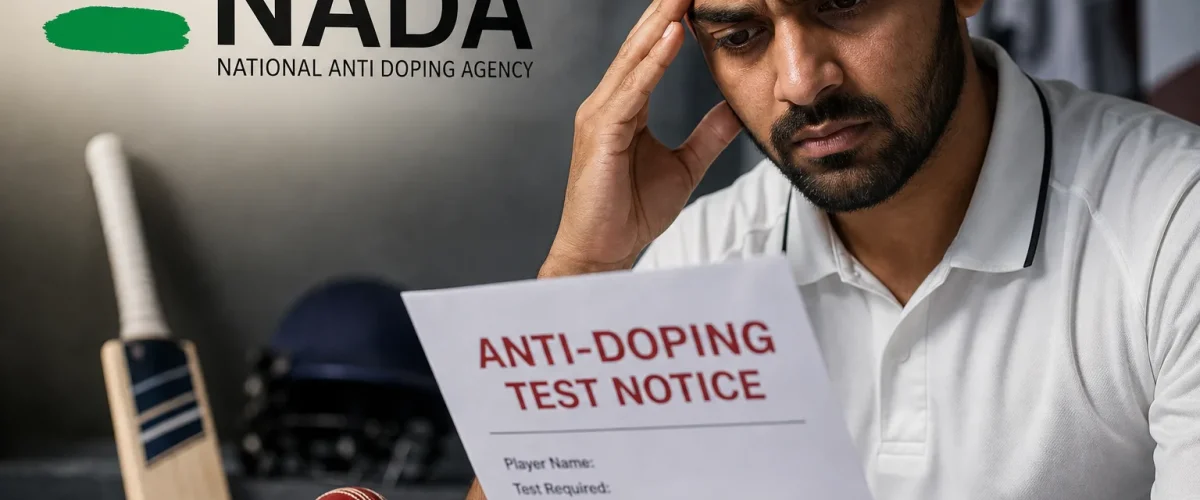
The Board of Control for Cricket in India (BCCI) has issued its most comprehensive security directive in IPL history, warning all 10 franchises about the “serious and growing risk” of targeted honey-trapping, compromise, and unauthorised access to players during the ongoing IPL 2026 season. The eight-page directive, issued by BCCI Secretary Devajit Saikia on Thursday 07 May, introduces sweeping new rules with immediate effect covering hotel room access, franchise owner behaviour during matches, and a blanket ban on vaping.
The unprecedented nature of the directive reflects the BCCI’s growing concerns about off-field security threats that could undermine the integrity of the tournament. With the IPL’s commercial value exceeding Rs 1 lakh crore and its status as the world’s most-watched cricket league, the stakes for maintaining the tournament’s credibility have never been higher.
The Honey-Trapping Warning
The most startling element of the BCCI’s directive is its explicit warning about honey-trapping — the use of romantic or sexual enticement to compromise individuals for purposes including match-fixing, blackmail, or information extraction. The directive states that players and support staff face “the possibility of targeted compromise and honey-trapping” and urges franchises to remain “vigilant and proactive in mitigating such risks at all times.”
“The possibility of incidents giving rise to serious legal allegations, including those under applicable Indian laws on sexual misconduct, cannot be discounted,” the BCCI stated in the letter. “IPL franchises must ensure that no player or support staff member is placed in a position where they become vulnerable to such targeting.”
The warning comes amid persistent rumours — unconfirmed by the BCCI — about attempts to approach players during the current season at team hotels. While no specific incidents have been publicly disclosed, the intensity of the IPL 2026 playoff race and the enormous amounts wagered on matches create incentives for corrupt elements to target players.
New Hotel Room Access Rules
The directive introduces strict new rules governing who can enter players’ hotel rooms during the tournament. Under the new guidelines:
First, no person — regardless of their identity, relationship to the team member, or stated purpose — shall be permitted entry into a player’s or support staff member’s hotel room without prior knowledge and explicit written approval from the Team Manager. Second, all guests and visitors must be received exclusively in designated public areas of the hotel, such as the lobby or reception lounge. Third, any authorised room visit requires a logbook entry with the visitor’s name, purpose, and duration of visit.
The BCCI noted that it had observed “certain players and support staff members have permitted unauthorised persons to access their hotel rooms without the knowledge or approval of the concerned IPL franchise Team Manager.” This practice is now “strictly prohibited with immediate effect.”
Franchise Owner Restrictions During Matches
In a move that may prove controversial among team owners, the directive also restricts franchise owner and management movement during live matches. Owners have been told they may not visit the dressing room or interact directly with players during matches, and must remain in their designated seating areas. The BCCI has also introduced surprise inspections of team hotels and facilities to ensure compliance.
Vaping Ban and Health Concerns
The directive imposes a blanket ban on vaping by all players, support staff, and franchise personnel in team facilities, hotels, stadiums, and during travel. The move follows reports that at least one prominent player — widely reported in cricket circles to be a senior spinner — was allegedly caught vaping on an aircraft during team travel ahead of an IPL match.
The BCCI cited “significant health concerns” and “the duty of care that franchises owe to all individuals associated with the tournament” as reasons for the ban. “Electronic cigarettes, vaping devices, and similar products are prohibited in all team environments with immediate effect,” the directive states. “Violations will attract severe penalties including match bans and financial sanctions.”
Accreditation and Security Overhaul
Beyond the headline measures, the BCCI’s directive also tightens accreditation protocols. All team personnel must display their official accreditation at all times in team hotels and match venues. The BCCI has also mandated that franchises share the details of all non-playing staff, support crew, and management personnel with the board’s Anti-Corruption Unit (ACU) before each match.
The ACU, which has been operating since the aftermath of the 2013 IPL spot-fixing scandal, has been given expanded powers to conduct background checks, monitor communications in team environments, and report directly to the BCCI Secretary. The directive makes clear that franchises that fail to cooperate with the ACU will face “serious consequences, including potential disqualification from the tournament.”
Industry Reaction
The directive has drawn mixed reactions from franchise owners, players, and commentators. Several franchise CEOs told media that they support the BCCI’s intent but expressed concerns about the practicality of enforcing written approvals for every hotel room visit, particularly for players’ family members during the long IPL season.
Former India captain and IPL stalwart Rohit Sharma has not publicly commented on the directive, but player association representatives acknowledged the need for heightened security while calling for “reasonable accommodation of players’ personal lives and family time.”
The Bigger Picture: IPL Integrity
The BCCI’s directive reflects a broader recognition that the IPL’s explosive growth has created new vulnerabilities. The tournament’s global broadcast reach, massive betting market, and the enormous financial stakes for franchise owners, broadcasters, and sponsors all create incentives for malicious actors to attempt to corrupt the competition.
The Ahmedabad-hosted IPL 2026 final, scheduled for 31 May at the Narendra Modi Stadium, is expected to be the most-watched sporting event in India this year. With the league’s popularity reaching unprecedented heights, the BCCI’s proactive approach to security — however invasive it may seem — is a necessary step to protect the tournament’s most valuable asset: its credibility.

- India’s Startup Funding Crosses $7.2 Billion in H1 2026 - July 1, 2026
- After Ireland Shock, India’s T20I Side Faces Bigger Test - July 1, 2026
- Ireland Stun World Champions India 2-0 in Belfast, Sooryavanshi Debate Rages On - June 29, 2026