Pro Kabaddi League and India’s Global Kabaddi Dominance: How a Village Sport Became a Professional Powerhouse

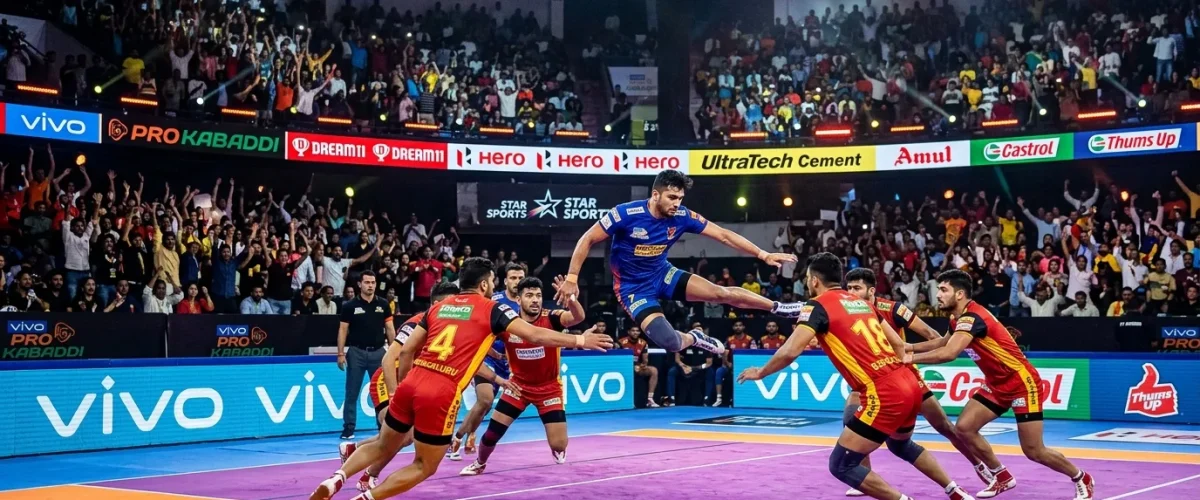
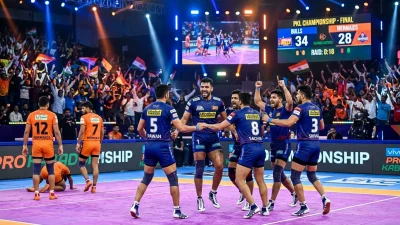
Kabaddi’s transformation from a traditional village sport to a globally televised professional spectacle is one of the most remarkable stories in Indian sport. At the heart of this metamorphosis is the Pro Kabaddi League, which has not only commercialised the sport but fundamentally elevated its competitive standards, athlete welfare, and public profile. In 2026, as India continues to dominate international kabaddi while the PKL pushes into its second decade, the ecosystem that sustains this success deserves examination.
The PKL Revolution: A Decade of Transformation
When the Pro Kabaddi League launched in 2014, sceptics questioned whether a contact sport with rural roots could sustain a franchise-based professional league. A decade later, the answer is emphatic. The PKL has become one of India’s most-watched sporting leagues, with viewership figures that place it among the country’s elite sporting properties alongside the IPL and ISL.
The league’s success has been built on several pillars: accessible scheduling (matches are broadcast during prime-time slots), relatable sporting action (kabaddi’s rules are simple and its physical nature creates natural drama), and strategic investment in broadcast production that makes each match a compelling television product. The franchise model has brought corporate investment, professional management, and marketing expertise to a sport that previously operated on modest budgets.
Athlete Development and Career Pathways
The PKL has transformed the economic prospects of kabaddi players. Auction prices for top raiders and defenders have reached crores of rupees, placing kabaddi athletes among India’s highest-paid sportspeople outside cricket. This financial incentive has attracted athletic talent that might otherwise have pursued other sports or careers, deepening the pool of quality players.
Beyond financial rewards, the PKL has professionalised every aspect of the athlete’s career. Franchise-based training programmes, sports science support, nutrition planning, and career management have become standard. Players who emerge from the Senior National Championship circuit and other domestic competitions now have a clear pathway to professional careers through the PKL.
Tactical Evolution on the Mat
The standard of kabaddi in the PKL has evolved dramatically since the league’s inception. Early seasons featured physical, instinct-driven play, but the current product is characterised by sophisticated tactical systems, specialised roles, and data-driven strategy. Coaches now employ detailed video analysis, statistical modelling, and position-specific training to gain competitive advantages.
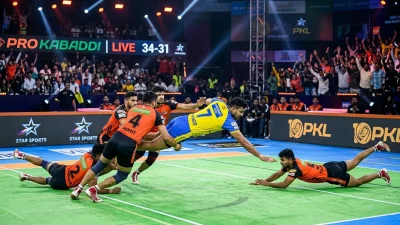
Raiding has become more diverse, with players deploying a wider range of skills — from traditional hand-touch and toe-touch raids to acrobatic bonus-point strategies and team-coordinated raids. Defensive systems have evolved in parallel, with formations like the “chain tackle” becoming increasingly sophisticated and effective. This tactical arms race has made PKL matches more compelling viewing and has elevated the overall standard of Indian kabaddi.
India’s International Dominance
India’s superiority in international kabaddi is overwhelming. The country has won every edition of the Kabaddi World Cup contested under the International Kabaddi Federation’s auspices, and Indian teams have dominated the Asian Games kabaddi event. This dominance is sustained by the depth and quality of the domestic competition, which ensures that India’s national team is drawn from a pool of battle-hardened professionals.
The challenge for international kabaddi is to develop competitive depth in other nations. Countries like Iran, South Korea, and Kenya have shown improvement, but the gap to India remains substantial. The IKF and other governing bodies are working to promote the sport globally, and the PKL’s international broadcast reach has helped introduce kabaddi to new audiences worldwide.
Beyond the PKL: Women’s Kabaddi
Women’s kabaddi in India has grown significantly, though it has not yet received the same commercial investment as the men’s game. National championships in women’s kabaddi are fiercely contested, and the standard of play continues to improve. Advocates for the sport have called for a women’s PKL or similar professional league to provide the same platform for women players that the PKL offers men.
The growth of women’s kabaddi aligns with the broader expansion of women’s sport in India, where disciplines from hockey to boxing are seeing increased participation, investment, and public interest. A professional women’s kabaddi league could catalyse the next phase of growth for female athletes in the sport.
Rural Roots, Urban Appeal
Kabaddi’s unique strength lies in its ability to bridge India’s rural-urban divide. The sport’s roots in village life — where improvised courts and informal matches are part of the cultural landscape — give it an authenticity and grassroots connection that manufactured sporting products cannot replicate. The PKL has successfully translated this authenticity into an urban entertainment product without losing the rawness and physical drama that make kabaddi compelling.
Franchise teams named after cities and states tap into regional pride, while the sport’s accessibility — anyone can play kabaddi with minimal equipment — ensures continued grassroots participation across the country. This dual identity, simultaneously traditional and modern, is kabaddi’s greatest competitive advantage in India’s crowded sporting market.
The Future: Expanding Horizons
The future of Indian kabaddi is rich with possibility. The PKL continues to innovate in broadcast, fan engagement, and commercial partnerships. International expansion, while challenging, represents a long-term opportunity that could see kabaddi included in the Olympic programme — an aspiration that India’s kabaddi community has long harboured.
For now, India’s kabaddi ecosystem — from village courts to PKL arenas to international championships — stands as a model of how traditional sports can be modernised without losing their soul. The sport’s ability to inspire, entertain, and provide livelihoods makes it one of the most complete success stories in Indian sport. As the nation’s sporting landscape continues to evolve, kabaddi’s unique story remains central to the narrative.

- India’s Startup Funding Crosses $7.2 Billion in H1 2026 - July 1, 2026
- After Ireland Shock, India’s T20I Side Faces Bigger Test - July 1, 2026
- Ireland Stun World Champions India 2-0 in Belfast, Sooryavanshi Debate Rages On - June 29, 2026