India’s Gen Z in 2026: How Young Indians Are Redefining Work, Relationships, and Identity

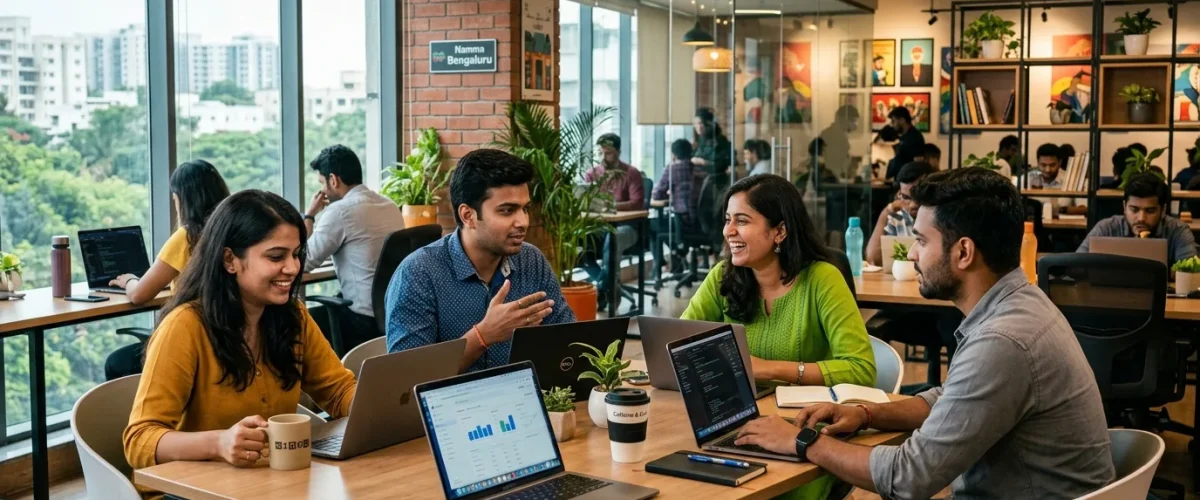
India’s Generation Z—the approximately 375 million Indians born between 1997 and 2012—is coming of age in 2026 as the most educated, digitally connected, and culturally confident cohort in the nation’s history. Their attitudes towards work, relationships, mental health, consumption, and identity are reshaping Indian society in profound and unprecedented ways.
The Work Revolution: Rejecting the Conventional Playbook
Indian Gen Z’s relationship with work is their most distinctive departure from previous generations. Survey data from early 2026 reveals that over 40 percent have engaged in freelance or gig work, while approximately 25 percent describe entrepreneurship as their primary career ambition. The content creator economy has become particularly aspirational, with millions creating content on YouTube, Instagram, and emerging platforms.
Gig economy platforms have become integral to Gen Z’s economic participation, though concerns about income volatility and absent employment benefits persist. The commercial dimensions of the creator economy are explored in IPL 2026 Season Preview: Key Transfers, Injuries, and Franchise Strategies.
Mental Health: Breaking India’s Silence
Perhaps Gen Z’s most impactful cultural contribution has been the destigmatisation of mental health conversations. Social media has been a powerful vehicle, with young Indians sharing personal experiences with unprecedented candour. Therapy apps and online counselling platforms including Amaha and iCall have expanded services dramatically.
However, the gap between awareness and access remains significant. Professional mental health services are concentrated in urban areas and often priced beyond reach. Cultural barriers persist in conservative and rural communities despite the generational shift in attitudes.
Relationships and Dating: Tradition Meets Technology
Dating apps including Bumble, Hinge, Dil Mil, and TrulyMadly have become normalised, with over 60 percent of urban Gen Z Indians having used one. Yet the majority still envision marriage as an important life goal and value family involvement in partner selection. The result is a uniquely Indian hybrid dating culture that combines app-based meeting with family introduction, personal exploration with cultural expectation.
Attitudes towards gender roles within relationships are evolving, with Gen Z expressing more egalitarian expectations around household responsibilities and career priorities than their parents’ generation.
Digital Natives: Life Online and Its Discontents
The average Indian Gen Z adult spends over four hours daily on their smartphone. The positive dimensions—global information access, creative expression, community building—are substantial. However, concerns about screen addiction, social media’s impact on body image, cyberbullying, and constant digital comparison have prompted a “digital minimalism” counter-movement. These patterns reflect broader trends examined in AI Summit 2026: India Showcases Ambitions but Structural Gaps Exposed.
Consumption and Values: The Conscious Consumer
Sustainability, ethical sourcing, brand authenticity, and social responsibility are genuine purchasing criteria for a significant segment. The D2C brand ecosystem has thrived on Gen Z purchasing power. However, fast fashion consumption remains high, creating unresolved tensions between aspirational sustainability values and budget-conscious purchasing habits.
Identity and Expression: Beyond Binaries
Indian Gen Z is increasingly comfortable with fluid expressions of identity. The phenomenon of “Desi maximalism”—bold, colourful, unapologetically Indian aesthetics applied to fashion, home decor, and digital content—has emerged as a distinctive cultural movement. These cultural shifts connect to broader patterns in March 2026 in Bollywood: Anil Kapoor Leads Bold Storytelling.
The Generational Compact
India’s Gen Z is not a monolith—vast disparities of class, caste, geography, and access characterise Indian society. Nevertheless, certain threads—digital connectivity, mental health awareness, entrepreneurial ambition, and desire for authentic self-expression—connect Gen Z Indians across differences, creating a generational identity already reshaping the country’s cultural, economic, and social landscape.