The Rise of Spiritual Tourism in India: Ram Mandir, Temple Circuits, and the New Pilgrimage Economy of 2026

India’s spiritual tourism sector is experiencing an unprecedented boom in 2026, driven by the transformative impact of the Ram Mandir in Ayodhya, massive infrastructure investments in pilgrimage circuits, and growing recognition of religious travel as a major economic driver. An estimated 200 million domestic pilgrimages annually make spiritual travel India’s largest tourism category.
The Ayodhya Transformation
Since the Ram Mandir consecration in January 2024, Ayodhya has received over 50 million visitors, transforming from a sleepy town into one of India’s most visited religious destinations. The Uttar Pradesh government has invested over ₹30,000 crore in infrastructure including a new international airport, expanded railways, and improved roads. Local businesses have reported significant income increases. The cultural significance connects to IPL 2026 Season Preview: Key Transfers, Injuries, and Franchise Strategies.
Temple Circuit Development: A National Strategy
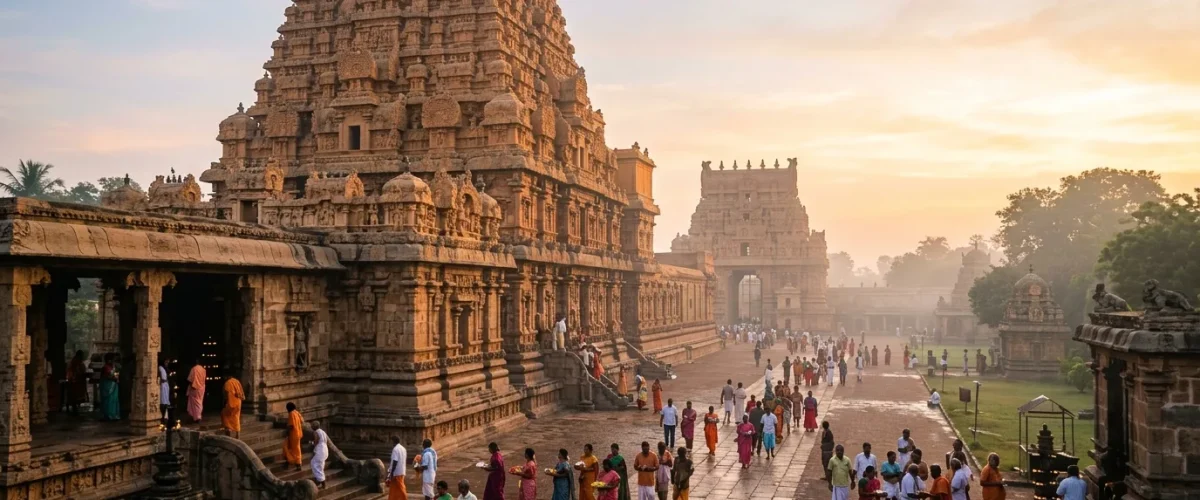
The Kashi Vishwanath Corridor has served as a model for temple development nationwide. The Char Dham circuit in Uttarakhand, Jyotirlinga circuits spanning multiple states, and Tamil Nadu’s ambitious temple renovation programme have all received significant investment. Kerala’s Sabarimala infrastructure development, serving over 50 million annual visitors, balances mass pilgrimage with environmental conservation.
The Economics of Pilgrimage
Spiritual tourism contributes approximately ₹3 lakh crore annually to India’s GDP across transportation, hospitality, food services, retail, and handicrafts. “Spiritual resorts” combining premium lodging with yoga, meditation, and temple visits have gained commercial traction. The religious goods market exceeds ₹50,000 crore annually. Online platforms now enable devotees to order puja services and prasad for delivery nationwide.
International Spiritual Tourism
Rishikesh and Varanasi continue as primary magnets for international spiritual tourists, with yoga training programmes, meditation retreats, and Ganges riverfront experiences. The wellness tourism segment has grown significantly. Technology is shaping pilgrimages through online darshan services, digital queue management, and VR temple experiences. These innovations reflect trends in AI Summit 2026: India Showcases Ambitions but Structural Gaps Exposed.
Environmental and Social Challenges
Overcrowding has led to environmental degradation, pollution of sacred water bodies, and waste management strain. The Char Dham route has experienced environmental damage from road widening and increased traffic. Water pollution in the Ganges persists despite clean-up initiatives. Local communities have raised concerns about rising property prices, cultural displacement, and commercialisation of sacred spaces.
The Future of Spiritual Tourism
India’s spiritual tourism is poised for continued growth, driven by government investment, rising affluence, growing international interest, and the cultural centrality of pilgrimage. Realising the sector’s enormous potential while managing environmental and social impacts requires thoughtful governance. The preservation of religious sites for future generations connects to conservation discussions in March 2026 in Bollywood: Anil Kapoor Leads Bold Storytelling.