Viral Indian Recipes of 2026: From Baked Oats Chaat to Tandoori Paneer Momos That Broke the Internet

India’s food culture has always been dynamic, but the pace of culinary innovation has accelerated dramatically in the social media age. In 2026, a new generation of home cooks and food content creators is fusing traditional Indian flavours with global techniques and health-conscious ingredients to produce viral recipes that rack up millions of views on Instagram Reels, YouTube Shorts, and the increasingly popular Indian food platform Masala Box. From fusion chaat innovations to protein-packed twists on beloved classics, here are the recipes that have defined India’s food internet in 2026—and how you can recreate them at home.
1. Baked Oats Chaat
The Baked Oats Chaat has been the breakout recipe of early 2026, blending the global health food trend of baked oats with India’s endlessly versatile chaat tradition. The base is a savoury baked oats mixture—oats blended with yogurt, besan (gram flour), grated vegetables, and chaat masala, then baked until golden and crisp on top. This is cut into squares and served with all the classic chaat accompaniments: tamarind chutney, green chutney, sev, pomegranate seeds, and a drizzle of yogurt.
The recipe originated from Bangalore-based food creator Ananya Bhatt, whose Instagram reel demonstrating the recipe garnered 12 million views in its first week. “I was trying to make chaat healthier for my kids,” Bhatt explained. “Baked oats gave me the crispy base I needed without deep frying, and once you add the chutneys and toppings, it tastes like the real thing.” The recipe’s appeal lies in its dual identity: it satisfies the craving for chaat while offering significantly more protein and fibre than the traditional version.
Also read: IPL 2026 Season Preview: Key Transfers, Injuries, and Franchise Strategies
Also read: AI Summit 2026: India Showcases Ambitions but Structural Gaps Exposed
2. Tandoori Paneer Momos
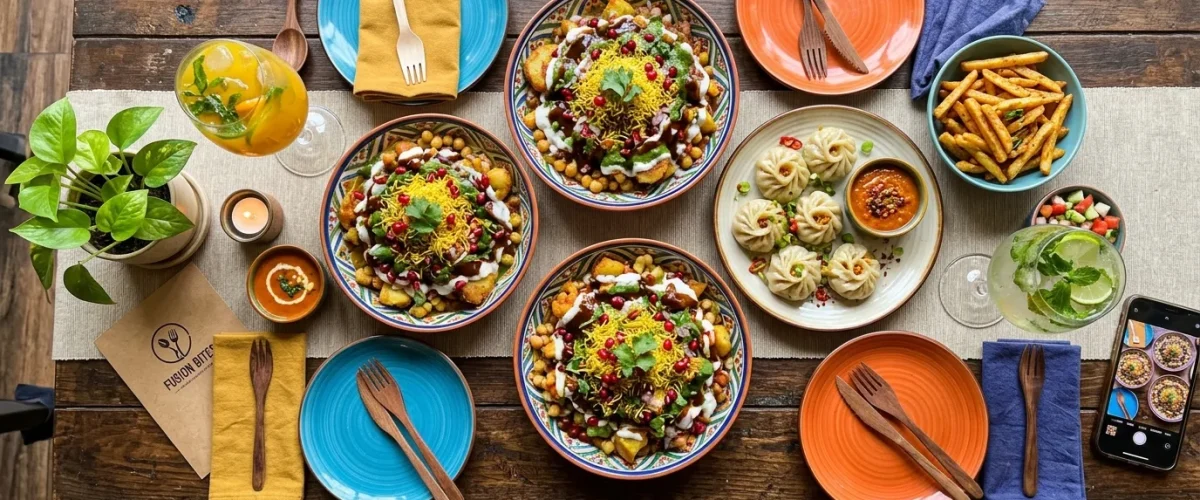
If Baked Oats Chaat represents the health-conscious side of India’s food trends, Tandoori Paneer Momos represent pure indulgence. The recipe, which emerged from Delhi’s street food scene and was amplified by food vlogger Gaurav Wasan (Swad Official), combines two of India’s favourite foods: paneer tikka and momos. The filling is a mixture of crumbled paneer, bell peppers, onions, and a blend of tandoori spices including Kashmiri red chilli, garam masala, and dried fenugreek leaves.
The momos are steamed in the traditional manner, then brushed with tandoori marinade (yogurt, red chilli paste, and oil) and either grilled on a tandoor or baked in an oven until the exterior develops a smoky, charred character. Served with a fiery Schezwan-mayo dip, the dish has become a sensation at food stalls across Delhi, Kolkata, and Bangalore, and its home-cook version has been shared over 8 million times across social media platforms.
3. Protein Dosa with Paneer Egg Bhurji
India’s growing fitness culture has created demand for protein-rich versions of traditional breakfast staples, and the Protein Dosa has emerged as a category leader. The batter incorporates moong dal, urad dal, and a scoop of unflavoured protein powder into the traditional rice-and-dal dosa base, producing a dosa that delivers approximately 20 grams of protein per serving compared to 7-8 grams for a standard dosa.
The accompanying Paneer Egg Bhurji—a scramble combining crumbled paneer with eggs, onions, tomatoes, and a tempering of mustard seeds and curry leaves—pushes the total protein per meal above 35 grams. The recipe was popularised by fitness influencer Ranveer Allahbadia (BeerBiceps), whose video on “high-protein Indian breakfast” has been viewed over 20 million times.
4. Jaggery Rasmalai Tres Leches Cake
The fusion dessert trend continues to produce spectacular results, and the Jaggery Rasmalai Tres Leches Cake is the most talked-about creation of 2026. A sponge cake made with jaggery (replacing refined sugar) is soaked in a tres leches mixture of condensed milk, evaporated milk, and rabri (reduced sweetened milk), then topped with flattened rasmalai balls, saffron strands, and chopped pistachios. The result is a dessert that is simultaneously Indian and Latin American, familiar and novel.
The recipe was created by Mumbai pastry chef Pooja Dhingra (Le15 Patisserie) for a festival collaboration and has since been adapted by thousands of home bakers. The jaggery substitution adds a caramel depth that refined sugar cannot match, while the rasmalai topping provides a textural contrast to the soaked sponge.
5. Air Fryer Samosa
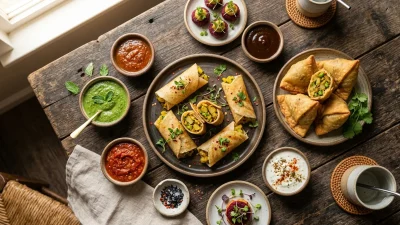
The air fryer revolution that has swept through Indian kitchens has produced numerous adaptations of fried classics, but the Air Fryer Samosa stands out for its near-perfect replication of the original’s flavour and texture. The key innovation, shared by YouTube cook Nisha Madhulika, is brushing the assembled samosas with a thin layer of oil mixed with a pinch of cornstarch before air frying—a technique that produces a crackling, flaky pastry with 70 per cent less oil than deep-fried versions.
The filling remains traditional—spiced potato and peas—but the cooking method has transformed the samosa from an occasional indulgence into a frequent snack for health-conscious households. Nisha Madhulika’s original air fryer samosa video has accumulated over 15 million views, and the recipe has been credited with driving a spike in air fryer sales in India during Q1 2026.
6. Korean Corn Cheese Dosa
The Korean food wave in India has produced an unlikely fusion hit: Korean Corn Cheese Dosa. A standard crispy dosa is filled with a mixture of sweet corn, mozzarella cheese, and gochujang (Korean chilli paste), then folded and served with a kimchi-inspired raw mango slaw. The recipe, which originated at a Bangalore fusion cafe called Dose & Seoul, has been widely replicated at home after a food blogger’s reel demonstrating the preparation went viral.
7. Masala Chai Crème Brûlée
Another dessert fusion that has captured imaginations is the Masala Chai Crème Brûlée—a classic French custard infused with cardamom, cinnamon, ginger, and black pepper, the spice blend of India’s national beverage. The custard is prepared by steeping masala chai spices in warm cream before incorporating it into the egg yolk mixture, then baked and finished with a caramelised sugar top. The first bite delivers the crackling sugar of a Parisian bistro; the aftertaste is pure Indian chai stall.
8. Ragi Chocolate Lava Cake
Finally, the Ragi Chocolate Lava Cake represents the convergence of India’s millet revival and its love affair with chocolate. Ragi (finger millet) flour partially replaces maida in the classic lava cake recipe, adding a nutty depth and significantly boosting the calcium and iron content. The external texture is slightly more rustic than a traditional lava cake, but the molten chocolate centre is identical—and the knowledge that you are eating a millet-based dessert adds a guilt-free dimension that Indian food culture increasingly values.
These viral recipes of 2026 reflect a food culture in confident transition—one that honours traditional flavours while fearlessly experimenting with new ingredients, techniques, and cross-cultural influences. For India’s home cooks, the internet has become the world’s largest recipe book, and the kitchen has become a laboratory of delicious innovation.

- Fentanyl Vaccine Breakthrough: Scripps Research Develops Shot That Blocks Deadly Overdoses Before They Reach the Brain - June 13, 2026
- Nipah Virus Returns to Kerala — First Case of 2026 Confirmed, State Declares High Alert - June 12, 2026
- Jill Biden Reveals She Wanted to Keep PM Modi’s 7.5-Carat Diamond Gift but Returned It After State Department Valued It at $20,000 - June 8, 2026