Dan Shapero Named LinkedIn CEO as Ryan Roslansky Takes Expanded Role Overseeing LinkedIn and Microsoft Office

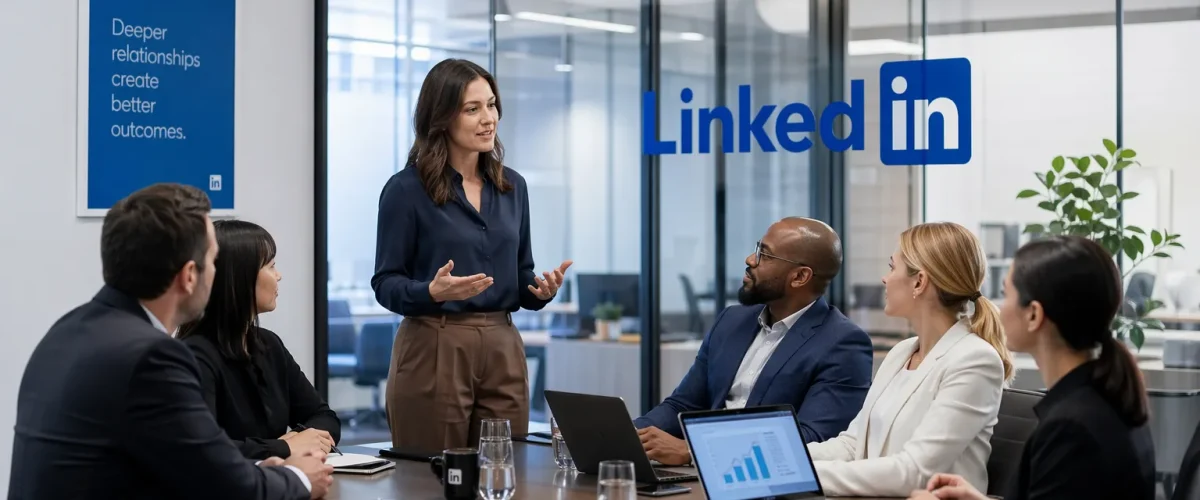
LinkedIn, the world’s largest professional networking platform, has a new chief executive officer for the first time in six years. Dan Shapero, who has served as the company’s chief operating officer since 2021, stepped into the top role effective immediately, as announced by outgoing CEO Ryan Roslansky on 22 April 2026. Roslansky is not leaving the company — he has been elevated to executive vice president overseeing both LinkedIn and Microsoft Office, a newly expanded portfolio that reflects Microsoft’s growing integration of its professional and productivity platforms. For those tracking major corporate leadership shifts, this transition signals a new phase for a platform that touches over 1.3 billion professionals worldwide.
Why the Change and What It Means
Roslansky made the announcement in a LinkedIn post — where else — explaining that the leadership restructuring was designed to free him to focus on the broader strategic portfolio that now includes both LinkedIn and the Microsoft Office suite of products. Under his tenure as CEO since 2020, Roslansky nearly tripled LinkedIn’s revenue, grew the platform to more than 1.3 billion members, expanded its presence to include 70 million company pages, and built a skills graph covering 42,000 professional competencies. The platform’s AI-powered features, including AI-assisted job matching, resume writing, and recruitment tools, were all developed under his leadership.
Dan Shapero, a LinkedIn veteran who joined the company in 2008 and has held roles spanning business operations, global sales, talent solutions, and marketing solutions before becoming COO, will run LinkedIn’s day-to-day operations. He reports to Roslansky in the new structure. Alongside Shapero’s appointment, Mohak Shroff, LinkedIn’s longtime engineering leader, has been named president of platforms and digital work — a new role that spans LinkedIn and Microsoft with a focus on long-term technology strategy and innovation. Both appointments reflect a deliberate separation of operational execution from strategic platform development.
LinkedIn’s Growth Story Under Roslansky
When Roslansky took over as CEO in June 2020, LinkedIn was already a major platform, but the pandemic era transformed it into something more central to professional life globally. Remote work forced professionals onto digital networking platforms, and LinkedIn capitalized with features like LinkedIn Live, Creator Mode, newsletters, and audio events. The platform became not just a job board but a content ecosystem where thought leadership, industry analysis, and professional branding all converge.
Revenue growth has been particularly strong. LinkedIn’s annual revenue is estimated to have crossed the $20 billion mark under Roslansky’s leadership, driven by its three core business lines: Talent Solutions (recruiting), Marketing Solutions (advertising), and Premium Subscriptions. The Premium Subscription tier was revamped in 2025 with AI-powered features, and subscriber numbers have grown significantly as professionals seek competitive advantages in an AI-disrupted job market. The wave of AI-driven layoffs across the tech industry has paradoxically boosted LinkedIn’s engagement as displaced workers flock to the platform for networking and job search.
Shapero’s Priorities as New CEO
Dan Shapero inherits a platform at an inflection point. LinkedIn’s AI integration strategy is perhaps the most consequential area. The platform has already embedded Microsoft’s Copilot AI assistant into premium accounts, offering features like AI-generated profile summaries, automated job application drafts, and conversation starters for networking. Under Shapero, the expectation is that AI integration will deepen — potentially including AI-powered interview preparation, personalised learning pathways tied to skills gaps, and more sophisticated matching algorithms for recruiters.
The creator economy on LinkedIn is another focus area. The platform’s shift from a purely networking-and-jobs site to a content creation hub has attracted millions of regular content creators. Newsletters on LinkedIn now compete with Substack and Medium, while video content is being actively promoted through algorithmic changes. Shapero will need to balance the professional utility of the platform with the engagement-driven dynamics of content creation — a tension that many social platforms struggle with.
Monetisation of LinkedIn’s massive data asset, particularly its skills taxonomy and job market intelligence, represents a significant growth opportunity. Companies are increasingly using LinkedIn data for workforce planning, competitive intelligence, and skills-based hiring strategies. With AI startups raising massive rounds to build workforce intelligence products, LinkedIn has both the data advantage and the distribution to dominate this space.
What This Means for LinkedIn’s 1.3 Billion Users
For the average LinkedIn user, the CEO change is unlikely to produce immediate visible changes. The platform’s product roadmap was likely already set for the next 12 to 18 months, and Shapero, as COO, was already involved in execution. However, the broader strategic direction — particularly the integration with Microsoft Office — could eventually create a seamless professional ecosystem where LinkedIn networking, Teams collaboration, Outlook communication, and Office productivity all interconnect through AI-powered workflows.
In India, which is one of LinkedIn’s largest and fastest-growing markets with over 130 million members, the platform plays an outsized role in professional life. IT professionals, job seekers, recruiters, and business leaders all rely on LinkedIn for opportunities and visibility. The appointment of a new CEO with deep operational experience suggests that user growth and engagement in markets like India will remain a priority, particularly as the AI revolution reshapes Indian workplaces and demand for professional reskilling accelerates.
The leadership transition at LinkedIn is ultimately a story about the maturing of a platform that has become essential infrastructure for the global professional economy. With Roslansky focused on the bigger strategic picture and Shapero running the daily operations, LinkedIn appears to be positioning itself for a phase of deeper integration, AI-driven innovation, and continued growth in a world where professional identity is increasingly digital.

- Fentanyl Vaccine Breakthrough: Scripps Research Develops Shot That Blocks Deadly Overdoses Before They Reach the Brain - June 13, 2026
- Nipah Virus Returns to Kerala — First Case of 2026 Confirmed, State Declares High Alert - June 12, 2026
- Jill Biden Reveals She Wanted to Keep PM Modi’s 7.5-Carat Diamond Gift but Returned It After State Department Valued It at $20,000 - June 8, 2026