Ganga Expressway: PM Modi to Inaugurate India’s Longest 594 km Expressway on 29 April Connecting Meerut to Prayagraj in Uttar Pradesh

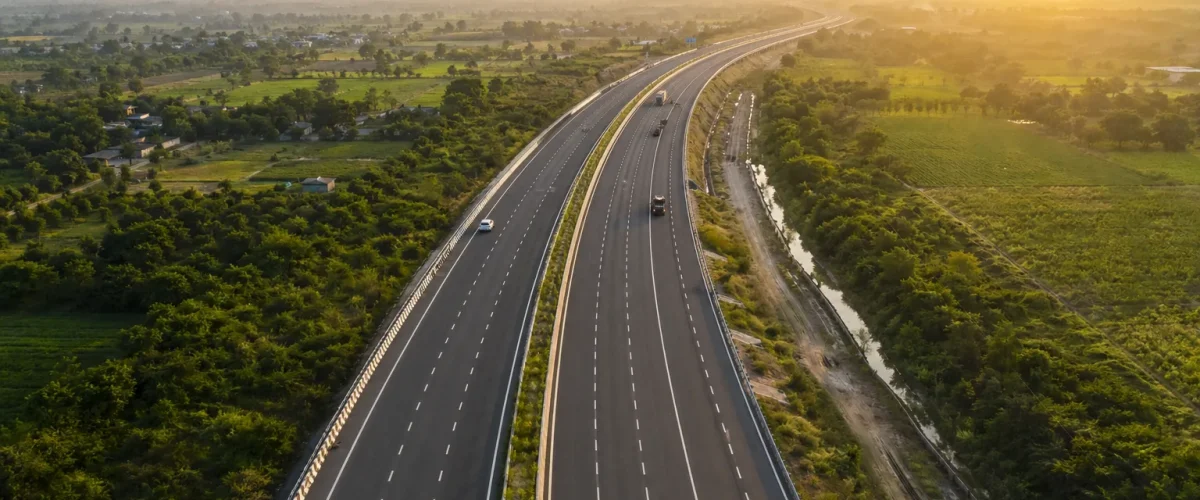
Prime Minister Narendra Modi is scheduled to inaugurate the Ganga Expressway on 29 April 2026, marking the completion of India’s longest state-level expressway. Stretching 594 kilometres from Bijoli village in Meerut to Judapur Dandu village in Prayagraj, the six-lane expressway — expandable to eight lanes — has been built at a cost exceeding Rs 36,200 crore and will connect western Uttar Pradesh to its eastern regions, fundamentally transforming travel, commerce, and logistics across the state.
From Foundation Stone to Inauguration
PM Modi laid the foundation stone for the Ganga Expressway on 18 December 2021 in Shahjahanpur. The project, divided into four major construction packages, was commissioned by the Uttar Pradesh Expressways Industrial Development Authority (UPEIDA). Despite the massive scale of construction — involving 1,498 structures including bridges, flyovers, underpasses, and interchanges — the project has been completed largely on schedule, a significant achievement for Indian infrastructure development.
Additional Chief Executive Officer of UPEIDA, Srihari Pratap Shahi, confirmed that trial runs of the toll management system have been successfully conducted at various exit points. “Professionals were deputed to assess the ride quality of the carriageways and the smoothness of the road pavement. We completed all 1,498 structures, and they are ready to handle the movement of motor vehicles,” Shahi said.
Route and Connectivity
The expressway passes through 12 districts of Uttar Pradesh: Meerut, Hapur, Bulandshahr, Amroha, Sambhal, Budaun, Shahjahanpur, Hardoi, Unnao, Rae Bareli, Pratapgarh, and Prayagraj. The two terminal points were strategically chosen to maximise the catchment area. Bijoli in Meerut is situated close to the Meerut-Hapur highway, providing seamless access for commuters from the National Capital Region (NCR), while Judapur Dandu in Prayagraj is adjacent to the Phaphamau-Pratapgarh highway, connecting to eastern UP’s major towns and religious centres.
The expressway will reduce travel time between Delhi-NCR and Prayagraj from approximately 10 hours to under 5 hours, opening up possibilities for same-day business travel, faster goods movement, and improved access to religious tourism sites including Prayagraj’s Triveni Sangam. The record summer travel rush across India means the expressway’s opening could not be more timely, as it will provide an alternative high-speed corridor for millions of travellers.
Economic Impact
The Ganga Expressway is expected to be a game-changer for Uttar Pradesh’s economy. An industrial corridor is proposed along the expressway, which could attract manufacturing units, warehousing facilities, and logistics hubs. The improved connectivity will benefit the agricultural sector significantly — the districts along the route are among UP’s most productive farming regions, and faster access to markets in NCR and metropolitan areas will reduce post-harvest losses and improve farmer incomes.
Real estate development along the expressway corridor has already gained momentum, with land prices in towns near interchange points rising by 30 to 50 per cent over the past two years. UPEIDA has identified several locations for potential industrial parks, and the state government has announced incentives to attract investment along the corridor. The India’s GDP growth trajectory stands to benefit from major infrastructure investments like the Ganga Expressway, which improve logistics efficiency and reduce transaction costs.
Air Strip and Defence Integration
Also Read: Economy News
A notable feature of the expressway is the 3.5-kilometre-long airstrip built into the carriageway at Shahjahanpur, designed to facilitate emergency takeoff and landing of Indian Air Force (IAF) planes. This dual-use feature, increasingly common on India’s strategic highways, underscores the expressway’s national security dimension. In the event of a conflict or natural disaster, the IAF can use the expressway as an auxiliary runway, enhancing India’s rapid deployment capabilities in the northern plains.
Revenue and Toll Structure
UPEIDA has designed the toll management system to begin generating revenue from the financial year 2026–27. While the exact toll rates have not been officially announced, industry estimates suggest a fare of approximately Rs 1,200 to Rs 1,500 for a car travelling the full 594 km stretch, making it competitive with existing NH routes when time savings are factored in. Commercial vehicles, which stand to benefit the most from the reduced journey time, are expected to form the bulk of toll revenue.
The expressway’s completion adds to Uttar Pradesh’s expanding expressway network, which already includes the Agra-Lucknow Expressway, the Purvanchal Expressway, and the Bundelkhand Expressway. Together, these projects have given UP one of the most extensive high-speed road networks of any Indian state, transforming a region historically known for poor road connectivity into a model for infrastructure-led development. The growth of India’s electric vehicle sector also means the expressway will feature EV charging stations at regular intervals, future-proofing the infrastructure for the transition to cleaner transport.
What to Expect on 29 April
Also Read: Companies & Business
The inauguration ceremony is expected to be a high-profile event, with the Prime Minister likely flagging off the first vehicles on the expressway. Senior UP government officials, including Chief Minister Yogi Adityanath, are expected to attend. The event comes at a politically significant time, with local body elections across Gujarat on the same weekend and national attention focused on major infrastructure deliveries ahead of the 2029 general elections.
For the 25 crore residents of Uttar Pradesh, the Ganga Expressway represents more than just a road — it is a symbol of the state’s transformation from an infrastructure laggard to a development powerhouse. Whether it delivers on its full economic promise will depend on the speed with which the industrial corridor materialises and the quality of last-mile connectivity to towns and villages along the route.

- Fentanyl Vaccine Breakthrough: Scripps Research Develops Shot That Blocks Deadly Overdoses Before They Reach the Brain - June 13, 2026
- Nipah Virus Returns to Kerala — First Case of 2026 Confirmed, State Declares High Alert - June 12, 2026
- Jill Biden Reveals She Wanted to Keep PM Modi’s 7.5-Carat Diamond Gift but Returned It After State Department Valued It at $20,000 - June 8, 2026