New LPG Rules From May 1, 2026: No Dual Gas Connections, OTP Delivery, Booking Gap Changes and Price Hike Explained

Ministry of Petroleum Overhauls India’s Cooking Gas Framework From May 2026
In one of the most sweeping overhauls of India’s cooking gas framework in recent years, the Ministry of Petroleum and Natural Gas has introduced a series of new rules for liquefied petroleum gas consumers that took effect on May 1, 2026. The changes include a ban on dual LPG and piped natural gas ownership, mandatory OTP-based delivery verification, extended booking intervals, and a sharp increase in commercial cylinder prices. These reforms affect millions of Indian households and businesses across the country and aim to curb misuse, improve subsidy targeting, and modernise LPG distribution.
Here is a detailed look at every major change and how it impacts consumers under Indane, Bharat Gas, and HP Gas distributors.
Dual LPG-PNG Ownership Officially Banned
Under a March 14 amendment to the LPG Regulation Order, households that already have piped natural gas connections are now required to surrender their domestic LPG connections. These households will no longer be eligible for LPG refills or new LPG connections. Oil marketing companies and local distributors have been directed not to supply LPG to any consumer who holds an active PNG connection.
The government has begun identifying such dual-connection households through database matching between gas distribution companies and city gas operators. The rationale behind this move is twofold. First, it aims to prioritise LPG supply for households without access to piped gas, especially in rural and semi-urban areas where PNG networks have not yet reached. Second, it supports the expansion of piped gas infrastructure across the country by incentivising households to fully switch to PNG where available.
According to industry estimates, several lakhs of households in major metros like Delhi, Mumbai, Pune, Ahmedabad, and Lucknow hold both LPG and PNG connections. These consumers will need to surrender their LPG connections at their nearest distributor or face disconnection. For households planning their personal finances for the new financial year, understanding these changes is critical to avoid disruptions.
What Happens If You Do Not Surrender Your LPG Connection
Consumers who fail to voluntarily surrender their LPG connections despite holding PNG will face automatic blocking of their refill bookings. Distributors have been empowered to flag such accounts in the centralised booking system. The government may also recover any subsidies that were wrongly credited to dual-connection households during the transition period.
OTP-Based Delivery Now Mandatory Across India
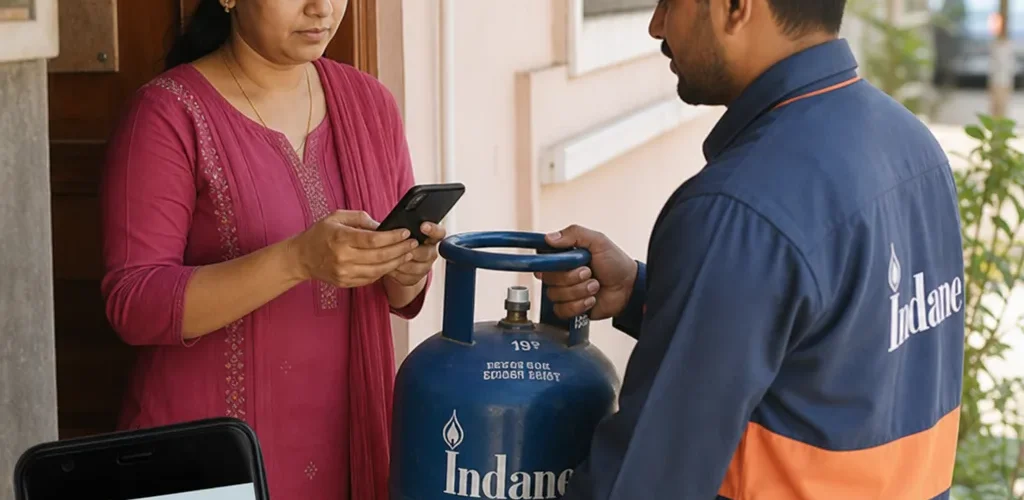
Starting May 1, all three major oil marketing companies — Indian Oil (Indane), Bharat Petroleum (Bharat Gas), and Hindustan Petroleum (HP Gas) — have made OTP verification mandatory for LPG cylinder deliveries. Under this system, consumers will receive a one-time password on their registered mobile number when the delivery agent arrives. The cylinder will only be handed over after the consumer shares the correct OTP with the delivery person.
This measure is designed to prevent diversion of subsidised cylinders, eliminate ghost deliveries where cylinders are marked as delivered without reaching the consumer, and provide a digital trail for every transaction. The OTP system has been in pilot mode in select cities since late 2025 and is now being rolled out nationally.
Consumers are advised to ensure that their Aadhaar-linked mobile numbers are updated with their gas agency. If the registered mobile number is outdated or inactive, the consumer may not receive the OTP and the delivery will be held. Distributors have been asked to help consumers update their KYC details, including mobile numbers and Aadhaar linkage, before the June 30 deadline for mandatory KYC updates.
Booking Interval Extended From 21 to 25 Days in Urban Areas
Another significant change is the increase in the minimum gap between two cylinder bookings. The Ministry has raised the booking interval from 21 days to 25 days for urban consumers. In rural areas, the interval has been extended further to up to 45 days. This means that households cannot book a new refill cylinder until the specified number of days has passed since their last booking.
The government has justified this change by citing data suggesting that some consumers were booking cylinders at unusually high frequencies, which indicates potential diversion or misuse. The extended booking gap is expected to normalise consumption patterns and reduce the burden on the subsidy exchequer. However, large families and households that rely heavily on LPG cooking may find the 25-day gap restrictive, especially during festival seasons and extended family gatherings.
The recent upheaval in global energy markets following the UAE’s exit from OPEC has added further pressure on India’s oil import costs, making subsidy management a top priority for the government.
Commercial LPG Cylinder Prices Hiked Sharply
Since March 2026, oil marketing companies have hiked the price of the 19 kg commercial LPG cylinder three times. The cumulative increase now stands at approximately Rs 993, pushing the commercial cylinder price to its highest level in recent memory. The latest revision, effective May 1, adds another substantial burden on restaurants, hotels, canteens, street food vendors, and small businesses that rely on commercial LPG for daily operations.
The sharp increase is directly linked to the surge in global crude oil prices, which have crossed $120 per barrel amid the ongoing Iran-US military conflict and disruptions to shipping through the Strait of Hormuz. India imports over 85 per cent of its crude oil requirement, making domestic fuel prices highly sensitive to international market movements.
Domestic Cylinder Prices Remain Unchanged — For Now
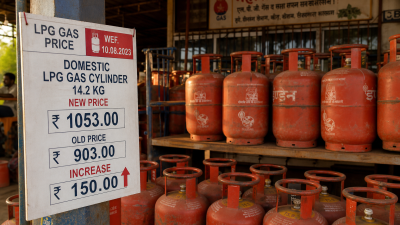
In a relief to household consumers, the government has chosen not to increase domestic LPG cylinder prices in the May 1 revision. The subsidised 14.2 kg domestic cylinder continues at its existing rate. However, analysts warn that sustained high global crude prices could eventually force a revision in domestic prices as well, especially if the Iran-US situation does not de-escalate in the coming weeks.
For consumers looking to manage household expenses effectively, understanding how India’s trade agreements affect consumer prices can provide valuable context on the broader economic forces at play.
How to Update Your KYC and Mobile Number Before June 30
The Ministry has set a June 30, 2026 deadline for all LPG consumers to complete mandatory KYC updates. This includes ensuring that the Aadhaar number linked to your gas connection is correct, the registered mobile number is active, and the address on file matches your current residence. Consumers can update their details by visiting their local distributor with original Aadhaar, a recent address proof, and a bank passbook for subsidy credit verification.
Those who fail to complete KYC by the deadline may face suspension of refill bookings and subsidy credits until compliance is achieved. The government has also launched a toll-free helpline and an online portal for each oil marketing company where consumers can initiate KYC updates remotely.
Stay updated with the latest developments in Personal Finance and Economy on DailyTips.in.