India Records Highest-Ever Power Demand as Heatwave Grips North — IMD Issues Orange Alert for Delhi on June 11

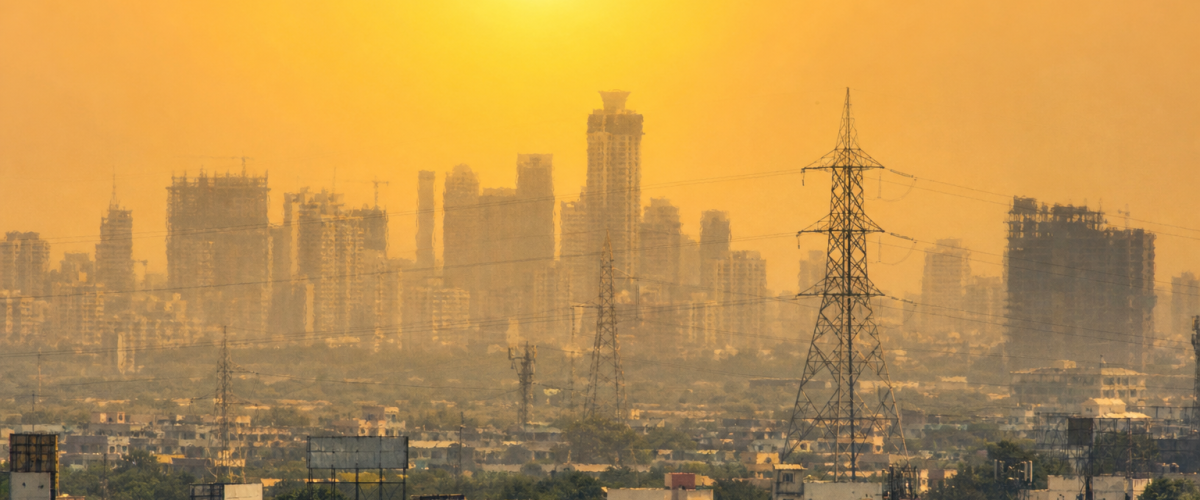
India’s power grid faced unprecedented stress on June 10-11, 2026, as a severe heatwave across northern and central India pushed electricity demand to an all-time high. The India Meteorological Department (IMD) has issued an orange alert for Delhi and several neighbouring states for June 11, warning of temperatures exceeding 46°C in parts of Rajasthan, Haryana, and Uttar Pradesh. The combination of extreme heat and record power consumption is testing the country’s energy infrastructure to its limits.
According to data from the Central Electricity Authority (CEA), India’s peak power demand touched 260 GW on June 10 — surpassing the previous record of 250 GW set in May 2025. The surge, driven primarily by the massive increase in air conditioning, cooler, and refrigeration usage across the Hindi heartland, forced grid operators to activate emergency protocols, including the import of power from surplus states and the restart of mothballed thermal power plants.
The Heatwave Situation
The current heatwave, which has been building since late May, is among the most severe India has experienced in recent years. The IMD classifies a heatwave when the maximum temperature exceeds 40°C in plains areas and departs from normal by 4.5°C or more. Large swathes of Rajasthan, Gujarat, Madhya Pradesh, Uttar Pradesh, Bihar, and the national capital region have been under heatwave conditions for over a week.
Delhi, which recorded a temperature of 48.4°C in parts of the city in June 2024 — one of the highest ever recorded in the capital — is again bracing for extreme heat. The IMD’s orange alert for June 11 warns of maximum temperatures reaching 45-47°C in south and west Delhi, with the “real feel” temperature — factoring in humidity — potentially exceeding 50°C. The alert advises residents to avoid outdoor activity between 11 AM and 4 PM, stay hydrated, and watch for signs of heat stroke.
Other cities reporting dangerously high temperatures include Phalodi in Rajasthan (49.2°C), Churu (48.5°C), Banda in Uttar Pradesh (47.8°C), and Bhopal (46.3°C). The extreme heat has claimed at least 23 lives across northern India in the past week, according to state health department reports, with hundreds more hospitalised for heat-related illnesses.
Power Grid Under Pressure
The record power demand has exposed vulnerabilities in India’s electricity infrastructure. While the country has made significant progress in expanding generation capacity — including a rapid buildout of solar and wind energy — the grid’s ability to manage peak demand during extreme weather events remains a challenge.
The Power Ministry reported that some states, including Uttar Pradesh, Bihar, and Jharkhand, experienced power cuts lasting 2-4 hours during peak afternoon and evening hours as demand outstripped local supply. Industrial consumers in several states were asked to reduce consumption during peak hours to prevent grid failures.
The situation is compounded by the global energy crisis triggered by the US-Iran war. Coal, which still accounts for approximately 55% of India’s electricity generation, has seen prices rise due to disrupted global supply chains. Natural gas prices have also spiked, making gas-fired power plants more expensive to operate. The rising cost of fossil fuels is pushing up the overall cost of power generation, squeezing state electricity boards that are already financially strained.
The Urbanisation Factor
Experts point out that India’s record power demand is not solely a weather phenomenon — it is also driven by rapid urbanisation and rising living standards. As more Indians move to cities, buy air conditioners, and shift to energy-intensive lifestyles, the baseline electricity demand is growing structurally. The penetration of air conditioning in India has risen from 7% of households in 2019 to an estimated 15% in 2026, and is projected to reach 40% by 2040.
“India is going through the same transition that China went through 15-20 years ago,” said Ajay Shankar, former Secretary of the Department of Industrial Policy. “When hundreds of millions of people switch on air conditioners for the first time, the impact on the power grid is enormous. We need to plan for this structural shift, not just manage crisis-to-crisis.”
The government has responded with both short-term and long-term measures. In the short term, the Power Ministry has directed all thermal power plants to operate at maximum capacity, extended coal import contracts, and activated interstate power trading mechanisms to transfer surplus from southern and eastern states to the deficit north and west.
Long-Term Solutions
In the longer term, India’s strategy centres on expanding renewable energy capacity, improving energy efficiency, and upgrading the grid to handle variable demand. The country has set a target of 500 GW of non-fossil fuel electricity capacity by 2030, with solar energy playing the dominant role. Battery storage systems, which can store solar power generated during the day for use during evening peak hours, are being deployed at an accelerating pace.
Smart grid technologies, demand-side management programmes, and energy-efficient building codes are also part of the solution. The Bureau of Energy Efficiency (BEE) has mandated star ratings for air conditioners and is promoting inverter technology, which can reduce AC power consumption by 30-50% compared to conventional units.
Also Read
- India Electricity Demand Hits All-Time Record as Severe Heatwave Pushes Delhi to 43 Degrees Celsius and Power Grid Faces Unprecedented Strain
- Delhi Heatwave Alert Intensifies as IMD Warns Temperatures May Soar to 45 Degrees Celsius With Severe Heat Gripping North India Till May 22
- India Faces First Major Heatwave of 2026 as Temperatures Cross 43°C Across Delhi, Rajasthan, and Madhya Pradesh
- India Summons US Ambassador After Oil Tanker Missile Attack
But for the millions of Indians suffering through today’s heatwave — especially the urban poor who lack access to air conditioning, and outdoor workers who cannot avoid the sun — long-term solutions offer little comfort. The immediate need is for effective heat action plans, public cooling centres, and emergency medical services to prevent the deadly toll that extreme heat exacts on vulnerable populations every summer.