India Summons US Ambassador After Missile Attack on Oil Tanker Near Strait of Hormuz — 3 Indian Crew Members Missing

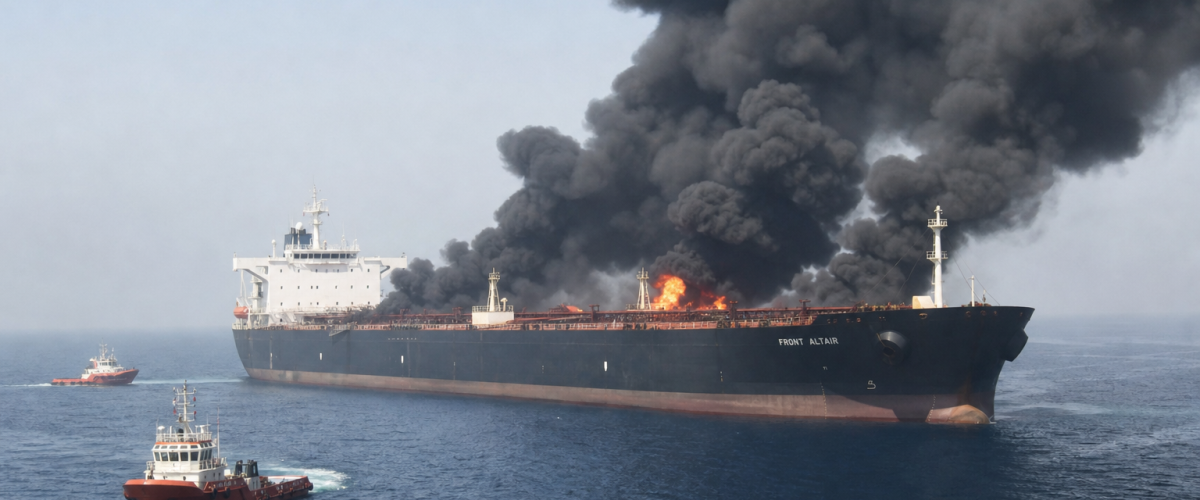
In one of the most serious diplomatic confrontations between India and the United States in recent memory, New Delhi summoned the American Ambassador on June 10 after a missile strike — attributed to US naval forces — hit an oil tanker with an Indian crew near the Strait of Hormuz. Three Indian seafarers are missing and feared dead, while 21 others were rescued from the stricken vessel. The incident has sent shockwaves through India’s diplomatic and maritime communities and threatens to strain the strategic partnership between the two nations.
The tanker, a Liberian-flagged vessel carrying crude oil through one of the world’s busiest shipping lanes, was struck by what preliminary investigations suggest was a US anti-ship missile. The Pentagon has not officially confirmed or denied responsibility, stating only that “operations in the region are ongoing and aimed at ensuring freedom of navigation.” India’s External Affairs Ministry, however, issued a strongly worded statement calling the attack “unacceptable” and demanding an immediate explanation.
What Happened
According to maritime tracking data and accounts from rescued crew members, the tanker was transiting the Strait of Hormuz — the narrow passage between Oman and Iran through which approximately 20% of the world’s oil supply passes — when it was struck at approximately 3:00 AM local time. The missile hit the vessel’s engine room, causing a massive fire that spread rapidly through the aft section of the ship.
Of the 24-member crew, all of whom were Indian nationals, 21 were rescued by Omani coast guard vessels that responded to the ship’s distress signal. Three crew members — believed to have been in or near the engine room at the time of the strike — remain unaccounted for. Search and rescue operations are continuing, but hopes of finding survivors are fading.
The rescued crew members were taken to Muscat, Oman, where Indian Embassy officials met them and arranged medical care. Several crew members sustained burn injuries, with two reported to be in serious condition at a Muscat hospital.
India’s Response
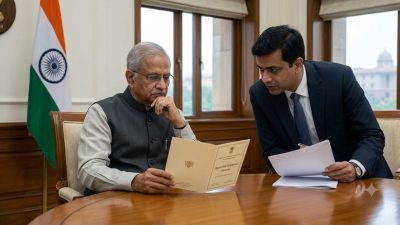
India’s reaction was swift and forceful. External Affairs Minister S. Jaishankar summoned the US Ambassador and conveyed India’s “deep concern and strong objection” to the attack. In a statement, the MEA said: “India considers the safety of its citizens, including those serving in the global merchant marine, as a matter of the highest priority. We have demanded a full and transparent investigation into this incident and expect the United States to take immediate steps to ensure the safety of civilian vessels and their crews in the conflict zone.”
Prime Minister Modi was briefed on the incident and spoke with the families of the missing crew members by phone, assuring them of the government’s full support. The Indian Navy has dispatched a warship to the area to assist with search operations and to provide additional security for Indian-flagged and Indian-crewed vessels transiting the Strait.
The incident has also triggered outrage in Parliament, with opposition leaders demanding a statement from the government and calling for a reassessment of India’s diplomatic relationship with the US. Congress leader Rahul Gandhi said: “Indian lives cannot be collateral damage in America’s war. The government must act decisively.”
The Broader Context
The attack highlights the growing danger faced by civilian shipping in the Persian Gulf region since the US-Iran war began in February 2026. The Strait of Hormuz, always a geopolitical flashpoint, has become increasingly treacherous as both US and Iranian forces conduct operations in its narrow waters. Multiple commercial vessels have been damaged or seized since the conflict began, disrupting global oil supplies and driving up insurance costs for ships transiting the region.
India has a particular stake in the safety of the Strait. The country imports approximately 85% of its crude oil, with a significant portion passing through the Hormuz chokepoint. Moreover, Indian nationals constitute one of the largest groups of seafarers in the global merchant marine — an estimated 240,000 Indians work on international commercial vessels, many of which transit the Gulf regularly.
The incident also complicates India’s delicate diplomatic balancing act. While India has maintained a broadly neutral stance on the US-Iran conflict, it has faced pressure from Washington to align more closely with American interests — including purchasing US oil to replace disrupted Iranian and Gulf supplies. The tanker attack makes it politically difficult for New Delhi to be seen as accommodating US demands while American military operations are putting Indian lives at risk.
What Happens Next
The diplomatic fallout from the incident is likely to intensify in the coming days. India has requested an emergency briefing at the United Nations on the safety of civilian shipping in conflict zones. The International Maritime Organization (IMO) has also been notified, and several maritime nations are expected to call for stronger protections for commercial vessels and their crews.
Also Read
- Brent Crude Surges Past 114 Dollars Per Barrel as Iran Attacks UAE Energy Infrastructure and Strait of Hormuz Tensions Intensify
- Petrol and Diesel Prices Hiked by Rs 3 Per Litre Across India as Government Raises Fuel Rates for First Time in Four Years Amid Iran War Oil Crisis
- Trump Pushes to Suspend Federal Gas Tax as Iran War Enters 11th Week and US Fuel Prices Hit Four-Year Highs Amid Strait of Hormuz Disruption
- Trump Claims US-Iran Peace Deal in ‘Final Throes’
- India Records Highest-Ever Power Demand as Heatwave Grips North
For the families of the three missing Indian seafarers, the wait continues. As the nation grapples with the reality that its citizens are caught in the crossfire of a war they have no part in, the pressure on the government to take a stronger stand — diplomatically and, if necessary, militarily — will only grow.

- Indian Army Gets New Chief as General Dwivedi Hands Over Command Amid Push for Indigenous Defence Tech - July 1, 2026
- Ayodhya Ram Temple Donation Scandal Deepens as Trustees Resign and SIT Arrests Eight - June 29, 2026
- Bengal Seven Weeks On: Modi’s Historic Win and the Questions That Won’t Go Away - June 28, 2026