Narendra Modi Creates History: Becomes India’s Longest-Serving Elected Prime Minister, Surpasses Jawaharlal Nehru’s Record

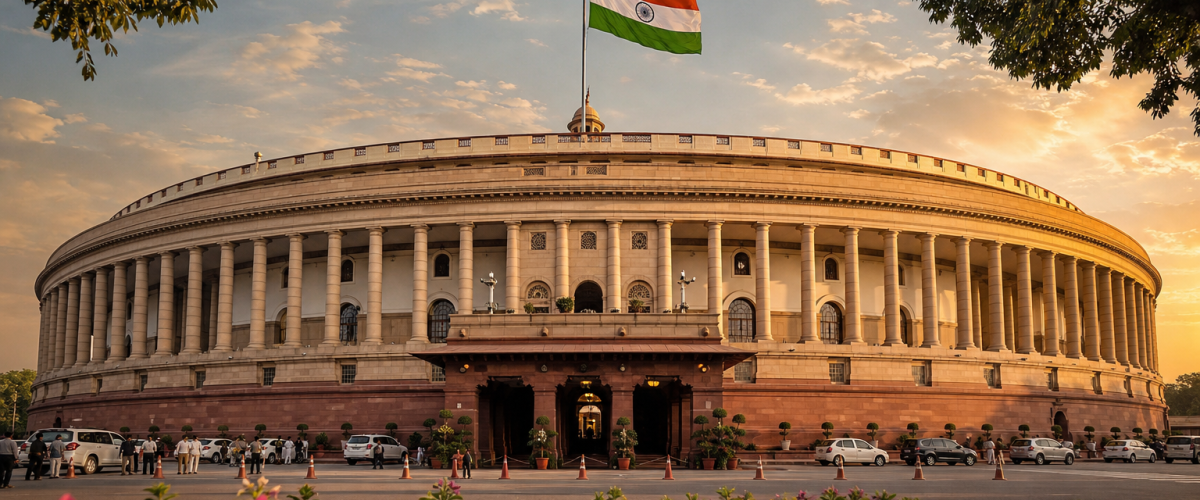
In a milestone that will be etched into India’s political history, Prime Minister Narendra Modi on June 10, 2026, surpassed Jawaharlal Nehru’s long-standing record to become the longest continuously serving elected Prime Minister of India. With 4,399 consecutive days in office, Modi has overtaken the country’s first Prime Minister, whose tenure spanned 16 years and 286 days from 1947 to 1964.
The achievement marks a remarkable chapter in Indian democracy. Modi, who first assumed office on May 26, 2014, after leading the Bharatiya Janata Party (BJP) to a landslide victory, has now served through three consecutive terms — a feat that underscores the sustained electoral mandate he has received from the Indian electorate over more than a decade.
A Journey From Vadnagar to the Record Books
Born on September 17, 1950, in Vadnagar, Gujarat, Modi remains the only Indian Prime Minister to be born in independent India. His political journey — from a tea-seller’s son to a three-term RSS pracharak, Gujarat Chief Minister for nearly 13 years, and now the country’s longest-serving elected leader — is frequently cited as a testament to India’s democratic vibrancy.
Modi’s first term (2014–2019) was defined by sweeping reforms: demonetisation, the Goods and Services Tax (GST), Swachh Bharat Abhiyan, and the surgical strikes against Pakistan. His second term saw the abrogation of Article 370 in Jammu and Kashmir, the Ram Mandir verdict, and India’s ambitious vaccination drive during the COVID-19 pandemic.
His third term, which began in June 2024 after the BJP formed a coalition government under the National Democratic Alliance (NDA), has focused on infrastructure development, digital transformation, and navigating India through the geopolitical turbulence caused by the US-Iran conflict.
How Nehru’s Record Stood for Decades
Jawaharlal Nehru served as India’s first Prime Minister from August 15, 1947, until his death on May 27, 1964. His unbroken tenure of 16 years and 286 days was considered virtually unbreakable in modern Indian politics, where coalition governments and frequent elections had become the norm since the 1990s.
Indira Gandhi, though serving a cumulative 15 years and 350 days as PM, had her tenure interrupted by the Janata Party’s victory in 1977, which disqualifies her from the continuous service record. No other Prime Minister has come close — Manmohan Singh served two terms totalling 10 years, while Atal Bihari Vajpayee served just over six.
Modi’s ability to maintain an unbroken electoral mandate through three general elections (2014, 2019, and 2024) is what enabled this record. Political analysts note that his 2024 victory, though narrower than the previous two, still demonstrated his enduring popularity and the BJP’s organisational dominance across India’s diverse states.
BJP Celebrates, Opposition Reacts
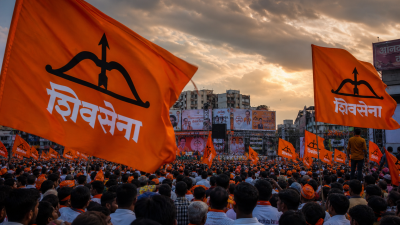
The BJP launched celebrations across the country, with Union Finance Minister Nirmala Sitharaman posting on social media: “June 10, 2026, marks 4,399 consecutive days of Narendra Modi’s prime ministership. This milestone reflects the enduring trust that millions of Indians have placed in a model of governance anchored in the principle of ‘Nation First.’”
Senior BJP leaders, including party president J.P. Nadda and Home Minister Amit Shah, praised Modi’s “transformative leadership” and credited his record to the trust of 140 crore Indians. State-level BJP units organised rallies, blood donation camps, and public meetings to mark the occasion.
The opposition, however, offered a more measured response. Congress spokesperson Jairam Ramesh said: “Records are made in cricket grounds, not in governance. The people of India will judge this government on unemployment, inflation, and the state of the economy — not on the number of days spent in office.” CPI(M) General Secretary Sitaram Yechury called it “a reflection of the BJP’s electoral machinery, not of good governance.”
Modi’s Legacy: Development vs. Division
As with any long-serving leader, Modi’s legacy is a subject of intense debate. Supporters point to India’s digital revolution, the expansion of welfare schemes like PM-KISAN and Ujjwala Yojana, the construction of highways and airports at an unprecedented pace, and India’s rising stature on the global stage — including its G20 presidency in 2023 and its growing role in the Quad and BRICS.
Critics, on the other hand, raise concerns about democratic backsliding, press freedom, the treatment of minorities, and rising economic inequality. The handling of the COVID-19 second wave in 2021, the farmers’ protests, and the ongoing challenges of unemployment and inflation remain contentious issues.
Regardless of political persuasion, the milestone is a significant one for Indian democracy. Whether one views Modi as a transformative reformer or a divisive figure, his ability to win and hold power through democratic elections for over 12 years is a fact that cannot be disputed.
What Lies Ahead
With the next general election not due until 2029, Modi’s record will continue to grow if his coalition government holds. At 75, he shows no signs of slowing down, with a packed schedule of international summits, domestic policy initiatives, and ongoing efforts to navigate the economic fallout of the Iran conflict and global trade uncertainties.
Also Read
- Donald Trump Congratulates PM Modi on BJP’s Historic and Decisive West Bengal Election Victory
- Punjab Municipal Election Results 2026 — AAP Sweeps Civic Polls with 131+ Seats as Congress, SAD and BJP Trail Far Behind
- Delhi Metro to Run 24 Extra Trips Every Monday Starting May 18 After PM Modi Appeals to Citizens to Save Fuel Amid West Asia Oil Crisis
- New West Bengal CM Shubhendu Adhikari Begins Reversing Mamata Banerjee’s Key Policies
As India marks this historic day, the question that looms is not just how long a leader serves, but how well. The answer to that, as always in a democracy, will ultimately be given by the people of India at the ballot box.

- Indian Army Gets New Chief as General Dwivedi Hands Over Command Amid Push for Indigenous Defence Tech - July 1, 2026
- Ayodhya Ram Temple Donation Scandal Deepens as Trustees Resign and SIT Arrests Eight - June 29, 2026
- Bengal Seven Weeks On: Modi’s Historic Win and the Questions That Won’t Go Away - June 28, 2026