Record 150 Million Hectares Burned Globally in First Four Months of 2026 — Scientists Warn El Nino Could Intensify Wildfire Crisis Further

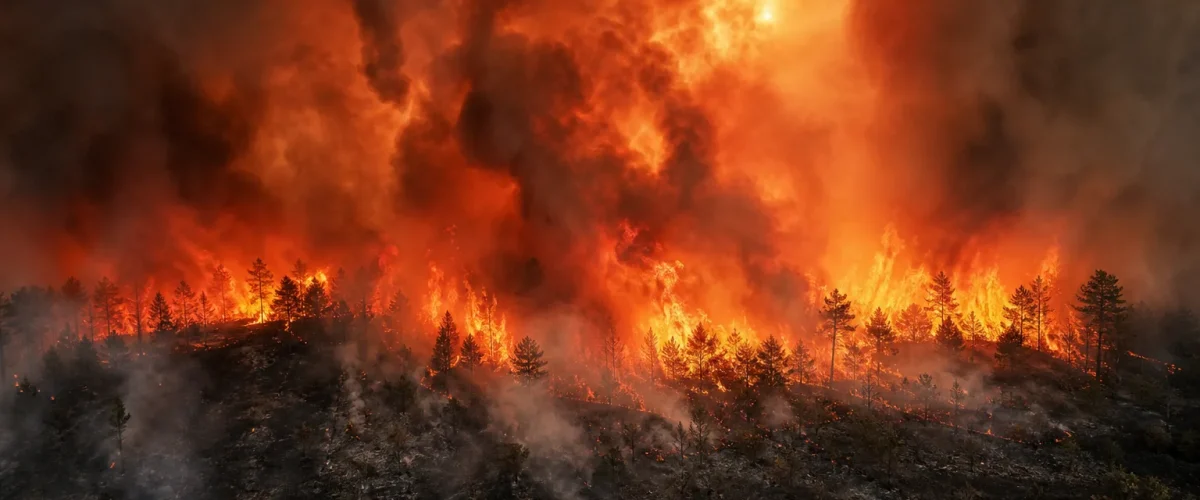
Global wildfires have burned more than 150 million hectares of land in the first four months of 2026, a figure that shatters previous records and has prompted scientists to warn that the worst may be yet to come. The World Weather Attribution initiative has identified El Niño conditions as a primary driver, with abnormally dry and hot weather creating tinderbox conditions across multiple continents simultaneously.
The scale of destruction is difficult to comprehend. One hundred and fifty million hectares is roughly equivalent to the combined area of France, Germany and Spain. Fires have raged across sub-Saharan Africa, Southeast Asia, South America and parts of North America, with some burning continuously for weeks before containment efforts made any headway.
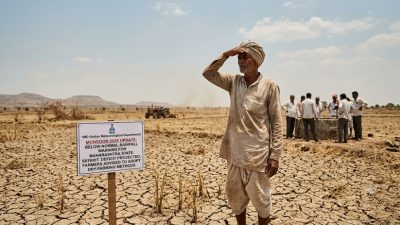
For India, the wildfire crisis has arrived alongside the country’s worst heatwave season in recent memory. Forest fires have been reported in Uttarakhand, Himachal Pradesh, Odisha and the northeastern states, straining firefighting resources that were already overstretched by the broader environmental pressures of the 2026 summer.
Why 2026 Is Different
Wildfires are a natural part of many ecosystems, and fire seasons have always produced dramatic images. What makes 2026 historically significant is the convergence of multiple factors that have pushed fire activity well beyond normal boundaries.
El Niño, the periodic warming of Pacific Ocean surface temperatures, has disrupted normal rainfall patterns across the tropics and subtropics. Regions that typically receive monsoon or wet-season precipitation have experienced severe dryness, leaving vegetation in a state that fire ecologists describe as critically stressed — dry enough to ignite from lightning, agricultural burning or even reflected sunlight under extreme conditions.
The effect has been compounded by long-term climate change. Global average temperatures in 2026 are tracking above the Paris Agreement’s 1.5-degree Celsius threshold for the third consecutive year. Warmer base temperatures mean that El Niño’s drying effects are amplified, creating conditions that historical fire models did not predict for this decade.
The monsoon forecast for India, which stands at just 90 per cent of normal for 2026, is directly linked to these same El Niño dynamics. A below-normal monsoon extends the fire season and increases the risk of agricultural stubble burning — itself a major contributor to air quality crises in northern India.
Africa Carries the Heaviest Burden
Sub-Saharan Africa accounts for the largest share of the 150 million hectares burned. Savanna fires in countries including the Democratic Republic of Congo, Angola, Zambia and Mozambique have burned on an unprecedented scale. Unlike the headline-grabbing forest fires in the Amazon or California, African fires receive comparatively little global media attention despite their enormous carbon emissions and ecological impact.
The carbon emissions from the 2026 fire season are estimated to have added 1.8 gigatonnes of CO2 to the atmosphere in the January-to-April period alone. For context, the entire European Union emitted approximately 2.6 gigatonnes in all of 2025. Fire-related emissions are now a significant factor in global carbon budgets and are undermining reforestation and conservation efforts.
India’s Fire Season Is Getting Worse
India reported over 82,000 fire alerts from satellite monitoring systems in the first four months of 2026. Uttarakhand — which has historically been the worst-affected state for forest fires — recorded its earliest and most intense fire season, with blazes encroaching on towns and threatening wildlife sanctuaries.
The connection between the heatwave and fire activity is direct. When temperatures cross 45 degrees Celsius, as they have in much of northern and central India this May, the moisture content of forest floor material drops to levels where spontaneous ignition becomes possible. The record temperatures in Maharashtra have been accompanied by an uptick in fire incidents in the Western Ghats, a biodiversity hotspot.
India’s firefighting infrastructure remains primarily reliant on manual labour and ground-based suppression. Unlike countries with established aerial firefighting fleets — such as the United States, Canada and Australia — India deploys limited aerial resources for wildfire response. The National Disaster Response Force has repeatedly called for investment in helicopter-based water-bombing capabilities, but procurement has been slow.
Agricultural Burning Adds to the Problem
While natural wildfires dominate the global numbers, agricultural burning remains a significant contributor to India’s fire statistics. Stubble burning in Punjab, Haryana and western Uttar Pradesh — the practice of setting fire to crop residue after harvest — sends plumes of smoke across the Indo-Gangetic Plain every year.
The government has offered subsidies for mechanised alternatives to stubble burning, but adoption rates remain low. Farmers cite the cost and availability of machinery as barriers, and enforcement of burning bans has been inconsistent. The agricultural sector’s vulnerability to extreme weather extends well beyond fire — heatwaves, water stress and changed monsoon patterns are all affecting yields and farming economics.
What Comes Next
Climate scientists warn that the 2026 fire season is not over. The Northern Hemisphere summer, which typically brings the peak of fire activity in North America, Europe and Central Asia, has not yet arrived. If El Niño conditions persist — as current models suggest they will through at least September — the annual total could reach levels that force a fundamental reassessment of global fire management strategies.
For India, the immediate priority is managing the intersection of heatwave, drought and fire risk through a monsoon season that may arrive late and deliver below-average rainfall. The interaction between these factors creates a compounding risk that scientists and policymakers are only beginning to model accurately.
The 150-million-hectare figure is not just a statistic — it represents ecosystems destroyed, carbon budgets consumed, and communities displaced. As the 2026 fire season continues, it serves as a stark reminder that the climate crisis is not a future risk but a present emergency.