Five Italian Scuba Divers Die in Maldives Underwater Cave at 50 Metres Depth in Vaavu Atoll in One of the Worst Diving Tragedies in the Country

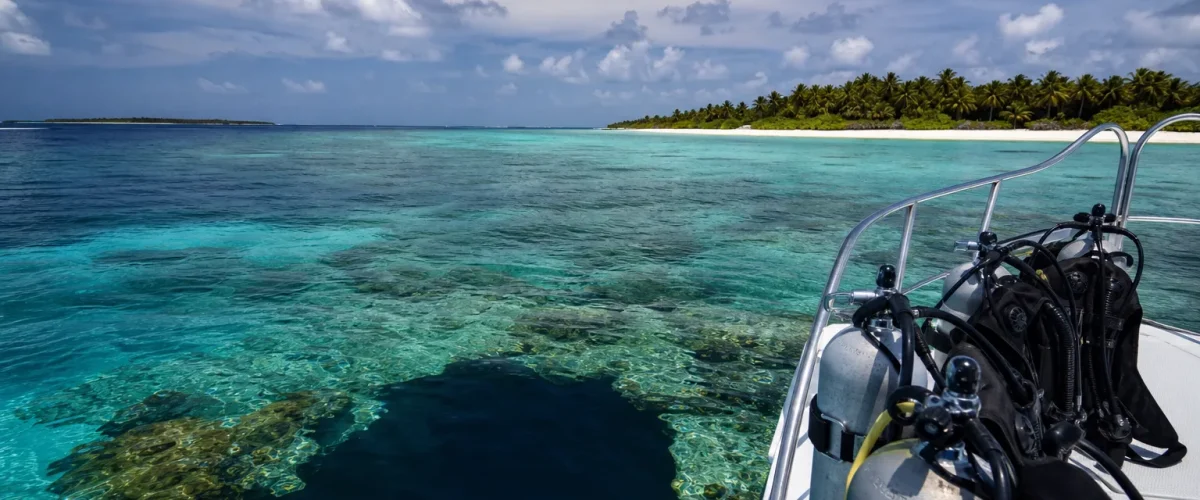
Five Italian scuba divers died on Thursday, 15 May 2026, during a cave-diving expedition in the Vaavu Atoll of the Maldives, in what local authorities have described as one of the worst single diving accidents in the island nation’s history. The divers, all members of an experienced cave-diving group from Italy, entered an underwater cave system at approximately 50 metres (164 feet) depth and never resurfaced. Their bodies were located by search and rescue teams late Thursday evening but could not be immediately recovered due to the difficult conditions.
The Maldives National Defence Force (MNDF), which is leading the recovery operation, confirmed that the divers — three men and two women, aged between 35 and 52 — were part of a planned technical diving expedition that had been organised through a licensed Maldivian dive operator based on Dhigurah Island. The group had arrived in the Maldives on 10 May and had completed several open-water dives before attempting the cave dive that proved fatal.
What Happened Inside the Cave
According to preliminary accounts from the dive operator and the MNDF, the five divers entered the underwater cave system at approximately 10:30 AM local time, accompanied by a local dive guide who remained at the cave entrance. The cave, located off an unnamed reef in the southern Vaavu Atoll, is known among technical divers for its complex tunnel systems and restricted passages.
When the divers failed to surface by the expected time of 12:00 PM, the guide raised the alarm. A search team from the nearby Alimatha dive centre was dispatched, and by 2:00 PM, four Maldivian military divers had entered the cave system. They located the five bodies approximately 120 metres inside the cave, at depths between 42 and 50 metres, in what appeared to be a silt-out condition — where disturbed sediment reduces visibility to near zero.
MNDF spokesperson Lieutenant Colonel Ibrahim Azim said that the exact cause of death would be determined by a forensic investigation, but early indications suggested that the divers became disoriented in extremely low visibility conditions. “The cave environment is inherently unforgiving,” he said. “Even a minor disturbance of the silt on the cave floor can create a whiteout that makes it impossible to find the exit. When that happens at 50 metres depth, the margin for error is essentially zero.”
The Dangers of Cave Diving
Cave diving is widely regarded as one of the most dangerous forms of recreational diving, with fatality rates significantly higher than open-water diving. The sport requires specialised training, equipment (including redundant air supplies, guidelines and underwater lights) and extensive experience. Even so, the overhead environment — where a direct ascent to the surface is impossible — means that equipment failures, navigation errors or silt-outs can quickly turn fatal.
The Maldives, while world-renowned for its coral reefs and open-water diving, is not traditionally a cave-diving destination. The cave systems in the atolls are relatively unexplored compared to popular cave-diving sites in Mexico, Florida and the Mediterranean. This lack of familiarity with local conditions may have contributed to the tragedy, as even experienced cave divers from other environments can underestimate the specific risks of an unfamiliar cave system.
Dive safety experts emphasised the importance of the “rule of thirds” in cave diving — using one-third of the air supply to enter, one-third to exit and keeping one-third in reserve for emergencies. Whether the Italian divers followed this protocol, or whether they encountered unexpected conditions that overwhelmed their safety margins, remains to be determined.
Recovery Operations and Investigation
The recovery of the bodies has been complicated by the depth and location of the divers within the cave. The MNDF suspended recovery operations at nightfall on Thursday and planned to resume on Saturday morning with a team of specialised military divers and additional equipment flown in from Malé. International diving organisations, including the British-based International Association for Nitrox and Technical Divers (IANTD), have offered technical assistance.
The Maldives Police Service has opened a formal investigation into the incident, examining the dive operator’s licensing, safety protocols, equipment maintenance records and the qualifications of the dive guide. The Italian embassy in Colombo (which covers the Maldives) has been in contact with the families of the deceased and is coordinating consular assistance.
Italian Foreign Minister Antonio Tajani expressed condolences and said the government was working with Maldivian authorities to ensure a thorough investigation. “Italy mourns the loss of five of its citizens in this terrible tragedy,” he said in a statement. “We will ensure that the circumstances are fully investigated and that any lessons are learned to prevent such incidents in the future.”
Impact on Maldives Tourism
The incident is a blow to the Maldives tourism industry, which has been recovering strongly after the pandemic-era slowdowns. The country welcomed 2.1 million tourists in 2025, with diving and water sports being major attractions. However, the tourism sector has been working hard to distinguish between the extremely safe open-water diving that the Maldives is famous for and the inherently riskier technical and cave diving that only a tiny fraction of visitors pursue.
The Maldives Association of Tourism Industry (MATI) issued a statement expressing condolences while emphasising that “recreational diving in the Maldives maintains among the highest safety standards in the world.” MATI noted that the incident involved advanced technical diving in a cave environment, which is “fundamentally different in risk profile from the open-water reef diving that 99 per cent of visitors enjoy.” The Maldives remains one of the world’s premier travel destinations, and industry leaders are keen to prevent the tragedy from deterring recreational tourists.
The incident has also revived calls for stricter regulation of cave-diving operations in the Maldives. Currently, technical diving operators must hold a standard dive operator licence, but there is no specific cave-diving certification requirement for operators. Dive safety advocates argue that cave-diving operations should require additional permits, specialised training for guides and mandatory safety equipment checks. With the monsoon season approaching, sea conditions in the region will deteriorate in the coming weeks, adding urgency to the recovery and investigation timelines.
For the families of the five Italian divers, the days ahead will be agonising as they await the recovery of their loved ones and the results of the investigation. The tragedy serves as a sobering reminder that even in paradise, the ocean demands respect — and that the underwater world, particularly its cave systems, remains one of the most dangerous environments on Earth. International travel safety continues to be a critical concern for adventurous tourists worldwide.

- Fentanyl Vaccine Breakthrough: Scripps Research Develops Shot That Blocks Deadly Overdoses Before They Reach the Brain - June 13, 2026
- Nipah Virus Returns to Kerala — First Case of 2026 Confirmed, State Declares High Alert - June 12, 2026
- Jill Biden Reveals She Wanted to Keep PM Modi’s 7.5-Carat Diamond Gift but Returned It After State Department Valued It at $20,000 - June 8, 2026