FBI Director Kash Patel’s Past Arrests for Public Drinking and Urination Surface Amid $250 Million Defamation Lawsuit Against The Atlantic

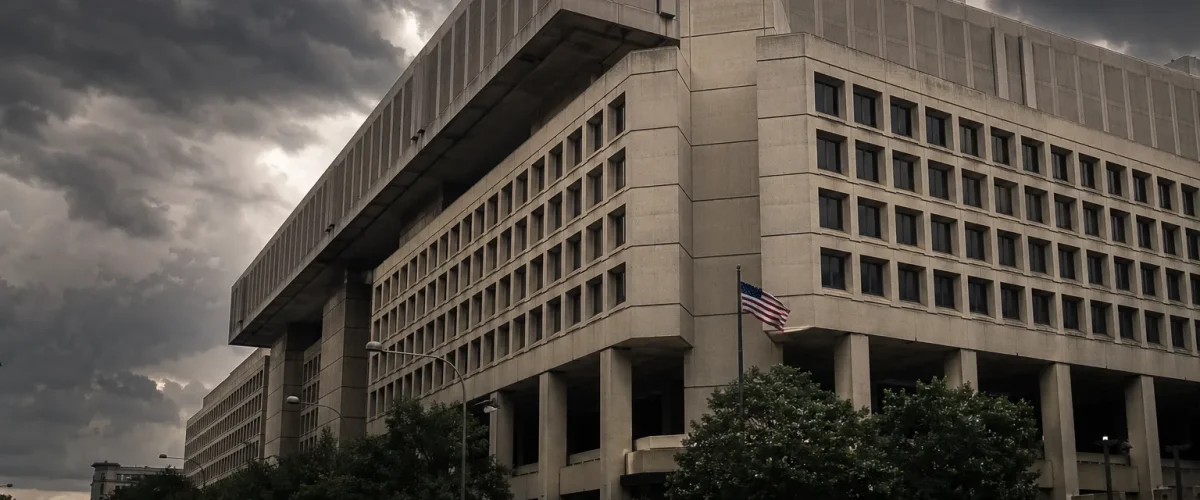
FBI Director Kash Patel’s past arrests for public intoxication and public urination have come to light after The Intercept obtained a letter he wrote during his Florida Bar application, adding a new dimension to his ongoing $250 million defamation lawsuit against The Atlantic magazine. The revelations, published on 24 April 2026, detail two alcohol-related arrests from Patel’s college and law school years — incidents he had disclosed on his bar application but which have gained fresh scrutiny amid allegations about his conduct as the nation’s top law enforcement official.
The Two Arrests Explained
According to the letter obtained by The Intercept, Patel disclosed that he was arrested for public intoxication in February 2001 while a junior at the University of Richmond, Virginia. He was under 21 years of age at the time and said he had consumed two drinks before being ejected from a crowd at a Richmond basketball game for what campus police described as “excessive cheering.” He said he paid a fine and the matter was resolved without further legal consequences.
The second arrest occurred in February or March 2005, when Patel was a law student at Pace University in New York. According to his letter, he went out celebrating with friends and had drinks at local bars. “In a gross deviation from appropriate conduct, we attempted to relieve our bladders while walking home,” Patel wrote. He said a police cruiser stopped the group before he could complete the act, and they were arrested for public urination. He again paid a fine.
Why This Matters Now
The disclosures take on significance in the context of Patel’s current legal battle with The Atlantic. In an article published in mid-April 2026, the magazine reported that Patel “has alarmed colleagues with episodes of excessive drinking and unexplained absences” since becoming FBI Director. Patel forcefully denied the allegations, calling them fabricated, and filed a $250 million defamation lawsuit against the publication.
Patel has pushed back aggressively on social media and in media appearances, calling the claims part of a “fake news mafia” campaign to undermine his leadership. His supporters, including allies of President Trump, have rallied behind him, framing the Atlantic story as a politically motivated hit piece. However, critics argue that the surfacing of past alcohol-related arrests — even from two decades ago — undermines Patel’s blanket denials and raises legitimate questions about patterns of behaviour.
Patel’s Rise to FBI Director
Kash Patel, an Indian-American lawyer and former national security official, was appointed FBI Director by President Donald Trump in early 2026, replacing Christopher Wray. His appointment was controversial from the start, with critics arguing he was a political loyalist rather than a career law enforcement official. Supporters countered that his experience as a federal prosecutor, Department of Defense official, and National Security Council staffer made him qualified for the role. The Trump administration’s approach to governance has been defined by appointing loyalists to key positions, and Patel’s appointment fits that pattern.
As FBI Director, Patel has overseen several high-profile investigations and has taken a more publicly visible role than his predecessors. His leadership of the agency has coincided with a period of intense political polarisation in the United States, making the FBI’s independence a subject of constant debate.
Also Read: International News
The Atlantic Defamation Suit
The $250 million lawsuit filed by Patel against The Atlantic is one of the largest defamation claims by a sitting government official in recent US history. Patel’s legal team argues that the magazine published false and defamatory statements with actual malice, knowing the allegations about his drinking were untrue. The Atlantic has stood by its reporting, stating that its article was based on multiple credible sources within the FBI and the broader national security community.
Legal experts note that defamation claims by public figures face a high bar in the United States, requiring proof that the publication acted with “actual malice” — meaning it knew the statements were false or acted with reckless disregard for the truth. The case is likely to be closely watched as a test of press freedom and government accountability. The complex geopolitical environment in which the FBI operates makes the question of its director’s fitness for office a matter of global significance.
Political Implications
Also Read: Economy & Politics
The revelations have predictably split along partisan lines. Republican lawmakers have largely dismissed the past arrests as youthful indiscretions irrelevant to Patel’s current duties. Democratic members of Congress have called for an independent review of Patel’s conduct as FBI Director, arguing that the Atlantic allegations combined with the newly surfaced arrest history warrant closer scrutiny.
Patel himself addressed the matter in a video posted to social media, saying: “I disclosed these incidents on my bar application over twenty years ago. They have nothing to do with my work as FBI Director. This is a coordinated smear campaign by people who don’t want real reform at the FBI.” Whether the revelations have any impact on his tenure will depend on how the defamation lawsuit proceeds and whether additional allegations surface. For now, the intersection of media, politics, and public accountability remains as contentious as ever.

- Fentanyl Vaccine Breakthrough: Scripps Research Develops Shot That Blocks Deadly Overdoses Before They Reach the Brain - June 13, 2026
- Nipah Virus Returns to Kerala — First Case of 2026 Confirmed, State Declares High Alert - June 12, 2026
- Jill Biden Reveals She Wanted to Keep PM Modi’s 7.5-Carat Diamond Gift but Returned It After State Department Valued It at $20,000 - June 8, 2026