Wellness Diets Take Over Indian Kitchens: Seven Viral Food Trends Dominating 2026

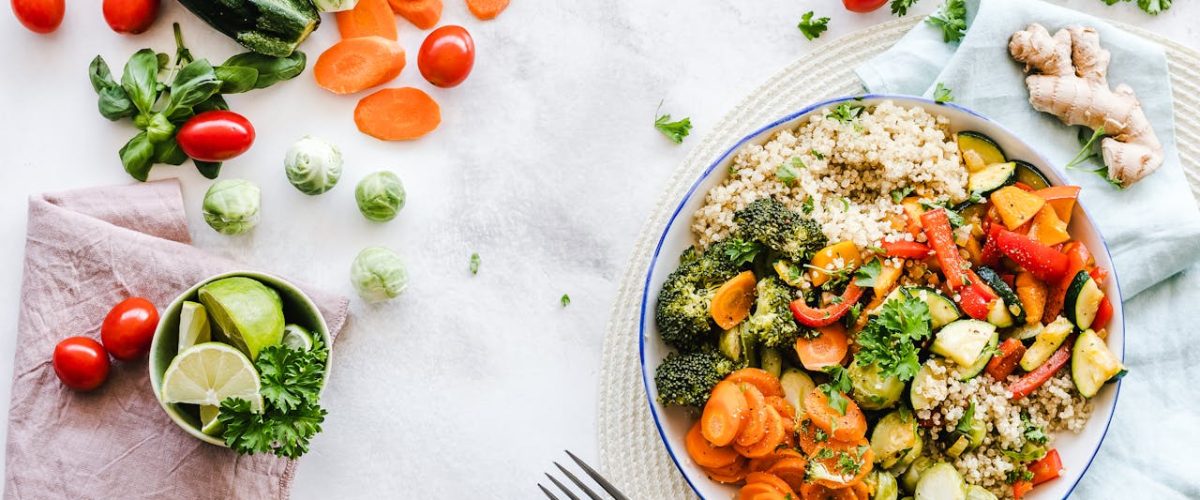
Healthy eating has moved from niche lifestyle choice to mainstream preoccupation across India, and 2026 has accelerated the shift dramatically. From metro cities to tier-2 towns, Indians are searching for wellness diets, weight loss plans, gut health solutions, and clean eating menus at record rates. Social media, fitness apps, and rising awareness of lifestyle diseases have pushed nutrition to the centre of daily conversation. Here are the seven food trends reshaping what India eats in 2026.
1. High-Protein Indian Diet: The Wellness Diets India 2026 Leader
The high-protein diet tops the charts this year. Search interest for “high-protein Indian diet” has grown 180 per cent year-on-year, fuelled by gym culture, home workout routines, and fitness influencers. Grocery stores report surging demand for paneer, eggs, Greek yogurt, whey protein, and peanut butter across all metro and tier-1 cities.
Trending combinations include moong dal chilla with paneer stuffing for breakfast, sprouted salads with lemon for lunch, and grilled tofu or chicken tikka for dinner. Nutritionists recommend 1.2 to 1.6 grams of protein per kilogram of body weight for most adults, cautioning that excess intake without adequate fibre and hydration can strain digestion.
The plant-based protein movement gaining traction among Gen Z consumers adds another dimension. Soy chunks, tempeh, and hemp seeds are appearing in urban Indian kitchens alongside traditional protein sources, driven by both health and environmental motivations.
2. Millet-Based Diets: Ancient Grains, Modern Appeal
Millets have completed their transition from forgotten staples to aspirational superfoods. Ragi, jowar, bajra, and foxtail millet now feature prominently on restaurant menus and home cooking channels. Sales of millet-based products — cookies, pasta, instant dosa mixes — have grown by an estimated 65 per cent in organised retail this year.
The appeal is threefold: millets have a lower glycaemic index than rice or wheat, suiting diabetics; they require less water to cultivate, attracting environmentally conscious consumers; and they offer superior micronutrient profiles including iron, calcium, and B vitamins. Viral recipe creators have been crucial in making millet dishes appealing to younger audiences through creative fusion formats.
3. Intermittent Fasting: Timing Over Calorie Counting
Intermittent fasting (IF) has moved beyond fitness circles into mainstream Indian households. The 16:8 method — eating within an eight-hour window and fasting for 16 hours — is the most popular variant. Searches for “intermittent fasting Indian meal plan” rank among the top nutrition queries of 2026.
India’s existing cultural traditions of religious fasting have provided a natural foundation for adoption. Clinical studies at AIIMS Delhi and PGI Chandigarh show modest benefits for weight management and metabolic markers, though researchers emphasise that results vary significantly between individuals and IF should not replace balanced nutrition.
4. Gut Health and Fermented Foods: The Microbiome Movement
Gut health has become one of India’s most discussed wellness topics, driven by research linking the gut microbiome to immunity, mental health, and chronic disease risk. Probiotic supplement sales have grown 40 per cent year-on-year, while traditional fermented foods enjoy a renaissance.
Idli and dosa batter, both naturally fermented, are being rebranded as probiotic superfoods. Kanji, a fermented carrot drink from North India, and ambali, a fermented ragi porridge from the South, have gained new audiences through Instagram and YouTube. Kombucha has moved from niche stores to mainstream shelves, with Indian brands Atmosphere and Bhu Kombucha competing for market share. Northeast Indian fermented foods such as akhuni and bamboo shoot pickles are gaining recognition for their probiotic properties.
5. Ayurvedic Eating: Dosha-Based Personalisation Meets Modern Nutrition
Ayurvedic dietary principles are experiencing a 21st-century revival. Modern Ayurvedic nutritionists combine traditional dosha-based categorisation (Vata, Pitta, Kapha) with contemporary nutrition science to create personalised eating plans. Apps like Amrutam and Kapiva have tripled their download numbers, offering dosha assessments and tailored meal recommendations.
Trending ingredients include ashwagandha in morning smoothies, turmeric golden milk as an evening ritual, and triphala as a digestive supplement. Restaurants in Bengaluru, Pune, and Rishikesh now offer dosha-specific tasting menus. While critics note that Ayurvedic dietary claims lack the rigour of randomised controlled trials, proponents point to the system’s 3,000-year track record.
6. Clean Label and Chemical-Free: The Ingredient Transparency Revolution
Indian consumers are reading food labels with unprecedented scrutiny. Brands displaying short, recognisable ingredient lists are winning market share, while products with artificial preservatives, hidden sugars, and chemical additives face consumer backlash. The clean label movement, well established in Western markets, has arrived in India with force.
Investigative reports and social media campaigns highlighting added sugars in products marketed as “healthy” have accelerated the trend. The Food Safety and Standards Authority of India (FSSAI) is tightening requirements, with new front-of-pack nutrition labelling mandated from July 2026. Organic food sales have grown 22 per cent year-on-year, according to Mint, with fruits, vegetables, and staple grains leading the category.
7. Functional Foods: Eating With Purpose Beyond Nutrition
The rise of functional foods — products designed to deliver specific health benefits — rounds out 2026’s wellness landscape. Protein-fortified atta, iron-enriched rice, omega-3 enhanced eggs, and vitamin D-fortified milk are standard offerings in urban supermarkets. A joint FICCI and Ernst & Young report projects the Indian functional food market will reach Rs 85,000 crore by year-end.
The trend reflects a fundamental shift: Indians increasingly view food as a proactive health management tool rather than mere sustenance. As lifestyle diseases including diabetes, hypertension, and obesity continue to rise, every meal is becoming a conscious health decision. Whether through ancient millets, fermented traditions, or modern fortified products, India’s food culture in 2026 is being reshaped by a generation that understands the plate is the first pharmacy.

- Fentanyl Vaccine Breakthrough: Scripps Research Develops Shot That Blocks Deadly Overdoses Before They Reach the Brain - June 13, 2026
- Nipah Virus Returns to Kerala — First Case of 2026 Confirmed, State Declares High Alert - June 12, 2026
- Jill Biden Reveals She Wanted to Keep PM Modi’s 7.5-Carat Diamond Gift but Returned It After State Department Valued It at $20,000 - June 8, 2026