Trump to Visit China From May 13 to 15 for Historic State Visit as Xi Jinping Hosts Talks on Iran War Trade and Nuclear Weapons

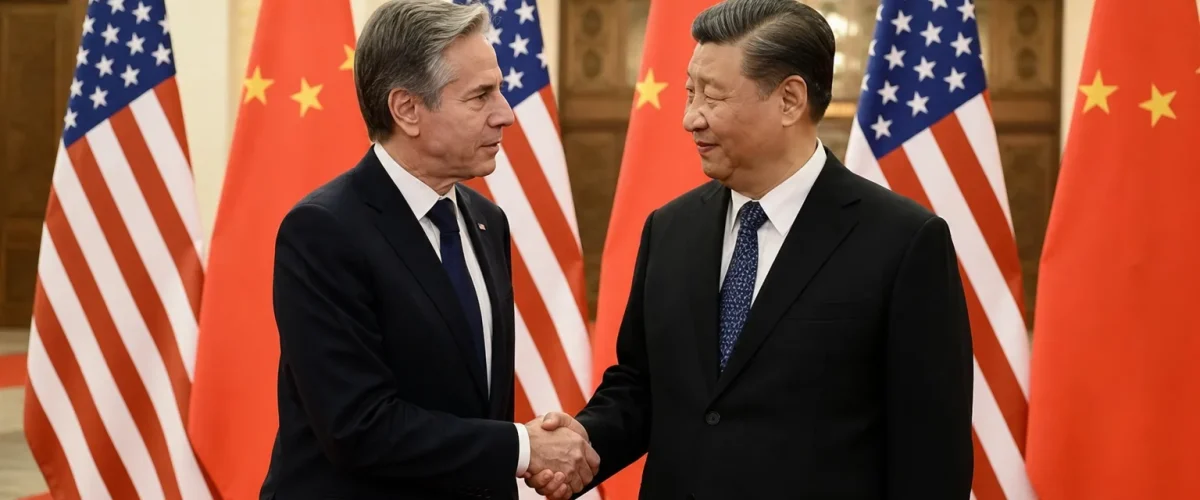
In a development that could reshape the geopolitical landscape of the 21st century, US President Donald Trump will pay a state visit to China from May 13 to 15, the Chinese Foreign Ministry confirmed on Monday. The visit, at the invitation of President Xi Jinping, will be the first by an American president to Beijing in almost nine years — the last being Trump’s own visit in November 2017 during his first term.
“At the invitation of President Xi Jinping, President of the United States of America Donald J. Trump will pay a state visit to China from May 13 to 15,” said a spokesperson for the Ministry of Foreign Affairs of China in a post on X. The announcement was simultaneously confirmed by Xinhua, China’s state news agency, signalling the importance both sides attach to the visit.
An Agenda Shaped by War and Trade
The visit comes at a critical juncture in global affairs. The ongoing conflicts in the Middle East and Eastern Europe have fundamentally altered the dynamics between Washington and Beijing, creating both friction and opportunities for cooperation. The agenda for the summit is expected to cover multiple contentious issues:
The Iran War: Perhaps the most urgent item on the agenda, the US-Iran conflict has global implications that directly affect China’s interests. Beijing is one of Iran’s largest oil customers, and the disruption of Persian Gulf shipping routes has impacted Chinese energy security. Trump is reportedly seeking Xi’s help in pressuring Tehran to accept a ceasefire, while China wants assurances that its economic interests in the region will be protected.
Trade Relations: The US-China trade relationship, worth hundreds of billions of dollars annually, remains fraught with tensions over tariffs, market access, and technology restrictions. The visit is expected to produce at least some framework agreements on trade, with American CEOs from Boeing and Mastercard joining the presidential delegation — a clear signal that commercial deals are a priority.
Nuclear Weapons and Arms Control: With the collapse of multiple Cold War-era arms control treaties and the growing nuclear arsenals of both the US and China, arms control is expected to be a significant discussion topic. The US has been pushing for trilateral arms control talks involving Russia, but China has so far resisted, arguing that its nuclear arsenal is significantly smaller than those of the US and Russia.
First Presidential Visit Since 2017
The significance of the visit cannot be overstated. No American president has visited China since Trump’s first-term trip in November 2017, a gap that reflects the deep deterioration in US-China relations over the past decade. The relationship has been strained by trade wars, technology restrictions on Chinese companies like Huawei, disputes over Taiwan, and competing visions for the global order.
Trump and Xi first met during Trump’s second presidency at the Busan Summit on October 30, 2025, where Trump announced plans to visit China in April 2026. The visit was subsequently postponed to May due to the outbreak of the Iran war, which consumed Washington’s diplomatic bandwidth.
On March 25, the White House announced that the visit would take place from May 14 to 15, though the Chinese Foreign Ministry’s Monday announcement indicates an arrival on May 13 — suggesting either an extended schedule or arrival-day activities before formal talks begin.
The Business Delegation
One of the most closely watched aspects of the visit is the American business delegation accompanying Trump. News circulated on May 8 that a group of American CEOs, including leaders from Boeing and Mastercard, would join the President in Beijing. The inclusion of business leaders signals that commercial agreements — potentially including aircraft orders, financial services access, and agricultural purchases — will be a central component of the visit.
For Boeing, the visit represents an opportunity to rebuild its relationship with Chinese airlines, which have been major customers for the American aircraft manufacturer. Chinese carriers had shifted orders toward European rival Airbus during the trade war era, and a presidential visit could provide the diplomatic cover needed for new deals.
Trump’s son Eric and daughter-in-law Lara will also accompany the President “in a personal capacity,” according to The Trump Organisation. The inclusion of family members has raised eyebrows among ethics watchdogs, who have noted the Trump family’s extensive business interests in Asia.
Implications for India
For India, the Trump-Xi summit carries both opportunities and risks. On the positive side, any progress on the Iran situation could help stabilise oil prices and ease the pressure on the Indian rupee, which has been battered by the conflict. India has been quietly lobbying both Washington and Beijing for a resolution to the Strait of Hormuz standoff, which threatens its energy security.
On the other hand, a US-China rapprochement could complicate India’s strategic calculations. New Delhi has been deepening its security partnership with Washington through the Quad alliance and bilateral defence agreements, partly as a counterweight to China. If Trump strikes a grand bargain with Xi that deprioritises Indo-Pacific security, India could find itself in an uncomfortable position.
The broader economic impact of Trump’s policies on India — from H-1B visa costs to trade negotiations — also looms large. Any trade deals struck in Beijing could have ripple effects on global supply chains that include Indian manufacturers and service providers.
Security and Protocol
The security arrangements for the visit are expected to be unprecedented. Beijing’s security apparatus has been on high alert since the announcement, with reports of enhanced surveillance around the Diaoyutai State Guesthouse, where Trump is expected to stay. The US Secret Service has reportedly sent an advance team to Beijing to coordinate with Chinese authorities.
The visit will include a formal state dinner, a meeting at the Great Hall of the People, and potentially a visit to the Forbidden City — echoing Trump’s 2017 visit, which was notable for its lavish hospitality. Chinese state media has already begun framing the visit as evidence of Beijing’s central role in global affairs, with commentary pieces emphasising China’s willingness to engage with all major powers.
A Pivotal Moment in History
The Trump-Xi summit comes at a moment when the post-World War II international order is under unprecedented strain. Two major wars — in the Middle East and Eastern Europe — are reshaping alliances and challenging the institutions that have maintained global stability for decades. The relationship between the world’s two largest economies will play a decisive role in determining whether these challenges are managed through cooperation or competition.
For Trump, the visit is an opportunity to demonstrate diplomatic prowess and potentially secure deals that he can present as victories to American voters. For Xi, it is a chance to showcase China’s rising influence and extract concessions on trade and technology restrictions. For the rest of the world, the outcome of their conversations in Beijing may determine the trajectory of global affairs for years to come.