The Great Pani Puri Trail: Ranking India’s Best Cities for the Nation’s Favourite Street Snack

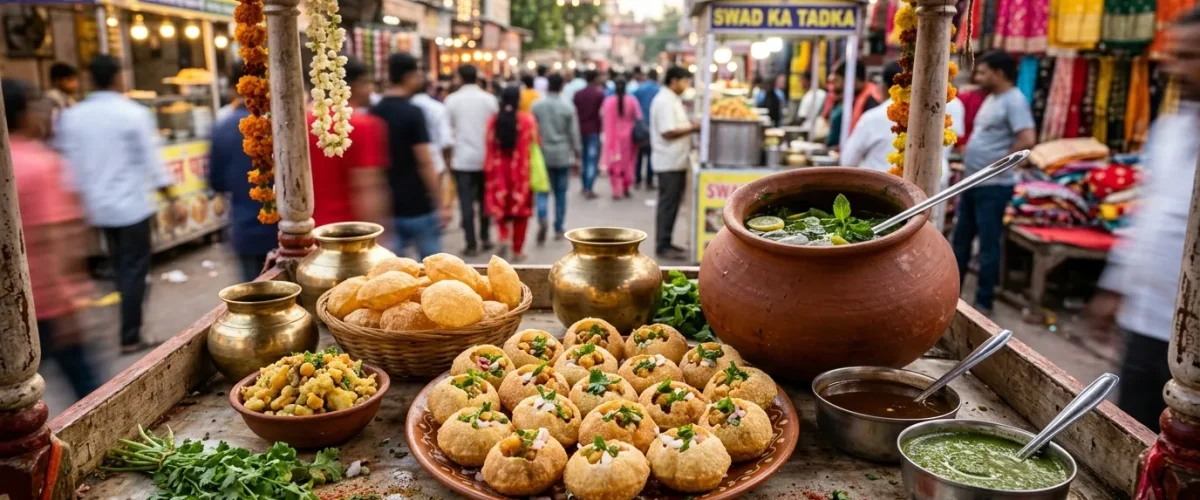
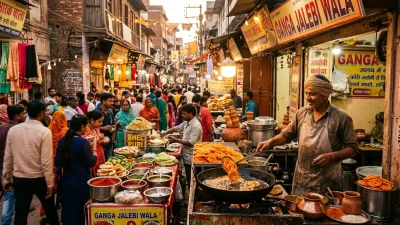
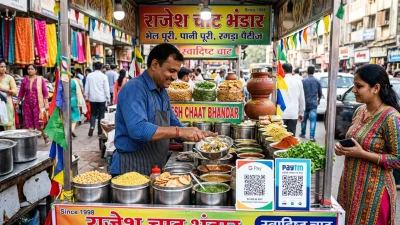
There are few things more universally loved in India than pani puri—the crisp, hollow wheat shell filled with spiced potato, chickpeas, and a tangy, spicy mint water that delivers an explosion of flavour in a single, fleeting bite. Known as golgappa in Delhi, puchka in Kolkata, gup chup in Odisha, and pani puri in Mumbai and the South, this humble street snack transcends regional boundaries, linguistic differences, and economic classes. It is, by any reckoning, India’s favourite street food. But not all pani puris are created equal, and every city has its own interpretation. Here is a definitive ranking of India’s best cities for pani puri, based on flavour traditions, vendor culture, innovation, and the sheer density of outstanding options.
1. Indore: The Undisputed Capital
Indore’s claim to the pani puri throne is difficult to dispute. The city’s Sarafa Bazaar and Chappan Dukan are legendary street food destinations where pani puri is elevated to an art form. What distinguishes Indore’s version is the variety of waters (paani): vendors typically offer five or more flavours, ranging from the classic pudina-hing (mint-asafoetida) to jaljeera, aam panna (raw mango), kokum, and even a sweet meetha paani. The puris are fried fresh throughout the evening, ensuring maximum crispness, and the fillings are generous without being overstuffed.
Indore also holds the distinction of hosting the annual “Pani Puri Festival,” a city-backed event that celebrates the snack with competitive eating, creative recipe contests, and live vendor showcases. The 2025 edition attracted 50,000 visitors. In terms of density, Indore reportedly has over 2,000 pani puri stalls—arguably the highest per-capita concentration of any city in the world.
Also read: IPL 2026 Season Preview: Key Transfers, Injuries, and Franchise Strategies
Also read: AI Summit 2026: India Showcases Ambitions but Structural Gaps Exposed
2. Kolkata: The Puchka Purists
Kolkata’s puchka has a devoted following that considers any deviation from the city’s canonical preparation to be heresy. The Kolkata version is distinguished by a filling that prominently features black salt (kala namak), roasted cumin, tamarind, and mashed potato mixed with a distinctive spice blend that is tangier and earthier than most other regional variants. The paani is bracingly spicy, with a pronounced tamarind sourness that cuts through Kolkata’s humid air.
Kolkata’s puchka culture is also characterised by its ritual. A good puchka wallah serves each puri individually, freshly filled and handed directly to the customer. There is no plate, no queue, no order—just a circle of eaters surrounding the vendor, each receiving their puri in turn. This communal, almost ceremonial format is unique to Kolkata and is as much a part of the experience as the food itself.
3. Delhi: Golgappa’s Grand Theatre
Delhi’s golgappa scene is the most diverse of any city, reflecting the capital’s role as a melting pot of North Indian culinary traditions. From the classic aloo-chana golgappas of Old Delhi to the innovative flavoured water shots (vodka golgappa, anyone?) of Connaught Place’s upscale vendors, Delhi offers the full spectrum of the pani puri experience.
The city’s most iconic golgappa destination remains the cluster of stalls around Chandni Chowk and Lajpat Nagar, where vendors have been serving for generations. Delhi’s golgappas tend to be larger than those in other cities, with a heavier potato filling, and the paani typically features a distinctive jeera (cumin) dominance that sets it apart from the pudina-forward versions of Western India.
4. Mumbai: The Beachside Classic
Mumbai’s pani puri owes much of its reputation to location as to taste. Eating pani puri at Juhu Beach or Girgaum Chowpatty, with the Arabian Sea as your backdrop and the city’s skyline glittering in the distance, is one of India’s most iconic food experiences. Mumbai’s version is characterised by a balanced flavour profile—neither as sour as Kolkata’s nor as sweet as Ahmedabad’s—and a dual-water system (one tangy, one sweet) that allows the eater to alternate between flavours.
5. Varanasi: The Spiritual Bite
In Varanasi, pani puri is as much a part of the city’s fabric as the ghats and the temples. The Varanasi version, often called pani ke batashe, features a distinctively thin, fragile shell and a paani that is among the most intensely flavoured in India—heavy on fresh mint, raw mango, and black pepper. Eaten at the stalls lining the narrow lanes leading to the ghats, Varanasi’s pani puri has a spiritual simplicity that matches the city’s ethos.
6. Ahmedabad: The Sweet Twist
Ahmedabad’s pani puri distinguishes itself through the prominent use of dates (khajoor) chutney and a sweeter filling that includes a spoonful of sweet chutney inside each puri. The Gujarati palate’s preference for sweetness in savoury dishes is fully expressed here, and while purists from other regions may find it unconventional, the sweet-sour-spicy balance is addictive once acquired.
7-10: Lucknow, Hyderabad, Pune, and Jaipur
Each of these cities brings its own personality to the pani puri tradition. Lucknow’s version is refined and elegant, with a lighter filling and a paani flavoured with herbs and rose water. Hyderabad adds its characteristic chilli heat, sometimes incorporating mirchi ka salan as a dipping sauce. Pune’s pani puri is remarkably similar to Mumbai’s but with a slightly tangier edge and a wider variety of filling options. Jaipur’s version incorporates Rajasthani masalas and is often served with a side of dahi (yogurt) for those who find the paani too intense.
The Unifying Snack
What makes pani puri India’s greatest street food is not just its taste but its universality. It costs ₹20-₹40 per serving everywhere in the country, making it accessible to virtually every income level. It requires no utensils, no table, and no reservation. It is eaten standing, often in the company of strangers, and it produces a shared experience of sensory pleasure that dissolves social barriers for the duration of a plate. In a country of extraordinary diversity, pani puri is the great equaliser—one crispy, tangy, perfect bite at a time.

- Fentanyl Vaccine Breakthrough: Scripps Research Develops Shot That Blocks Deadly Overdoses Before They Reach the Brain - June 13, 2026
- Nipah Virus Returns to Kerala — First Case of 2026 Confirmed, State Declares High Alert - June 12, 2026
- Jill Biden Reveals She Wanted to Keep PM Modi’s 7.5-Carat Diamond Gift but Returned It After State Department Valued It at $20,000 - June 8, 2026