India’s Regional Cuisines Go Global: How Traditional Recipes Are Winning International Recognition in 2026

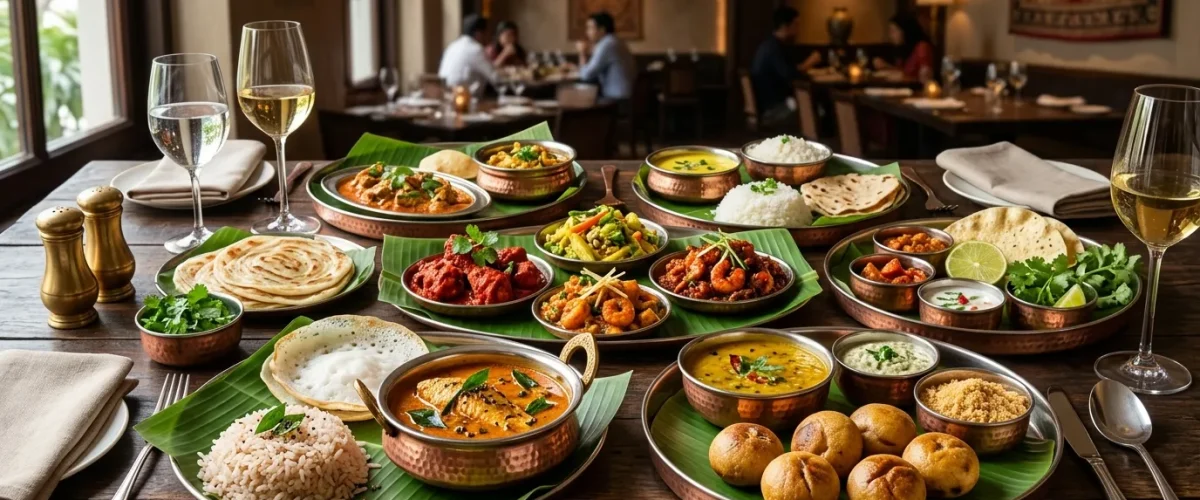
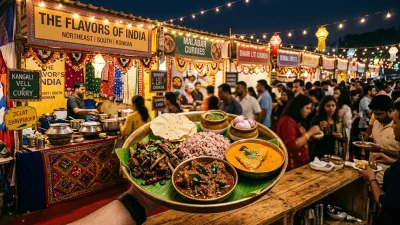
India’s regional cuisines, for decades overshadowed on the global stage by a generic “Indian food” dominated by butter chicken and naan, are finally receiving the international recognition they deserve. In 2026, a confluence of factors—Indian chefs winning prestigious global awards, the diaspora’s growing culinary confidence, and a global dining public increasingly hungry for authenticity—has elevated India’s diverse food traditions from regional treasures to globally celebrated cuisines. From Kerala’s seafood preparations to Rajasthan’s desert cooking and Bengal’s sweet traditions, India’s culinary map is being redrawn on the world stage.
Michelin Stars and Global Awards
The most visible marker of Indian cuisine’s international ascent has been its growing recognition in the world’s most prestigious restaurant guides. While India itself does not yet have a Michelin guide, Indian chefs and Indian-cuisine restaurants abroad have accumulated an impressive roster of accolades. In 2025, Gaggan Anand’s eponymous Bangkok restaurant earned its third Michelin star, making it the only Indian-cuisine restaurant in the world to hold the guide’s highest honour. In London, Darjeeling Express (founded by Asma Khan) and Gymkhana (the Sethi family’s Raj-era inspired restaurant) both retained their Michelin stars, while Indian Accent in New York continued to feature on the World’s 50 Best list.
Closer to home, the La Liste global restaurant ranking—an aggregation of international restaurant guides—included 14 Indian restaurants in its 2026 edition, up from just 6 in 2022. Among them were Avartana (Chennai), which specialises in modern Tamil cuisine; Masque (Mumbai), which foregrounds indigenous Indian ingredients; and Lavaash by Saby (Kolkata), which explores Indo-Armenian culinary intersections. Each of these restaurants showcases a specific regional tradition rather than a generic pan-Indian menu, reflecting the global trend toward culinary specificity.
Also read: IPL 2026 Season Preview: Key Transfers, Injuries, and Franchise Strategies
Also read: AI Summit 2026: India Showcases Ambitions but Structural Gaps Exposed
Regional Revival on Indian Plates
The global recognition is mirrored by a domestic revival of regional cuisine. Across India, restaurants and home cooks are returning to traditional recipes that had been at risk of fading as urbanisation and convenience foods reshaped eating habits. In Kerala, the “farm-to-table” movement has reinvigorated traditional Malabar cooking, with restaurants like Kashi Art Cafe in Fort Kochi and Kayees Rahmathulla Hotel serving dishes prepared with heritage ingredients and ancestral techniques.
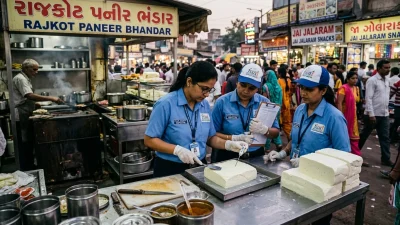
In Rajasthan, the revival of desert cooking—including preparations like ker sangri (dried berries and beans), papad ki sabzi, and churma—has been championed by both heritage hotels and a new generation of chefs who see Rajasthani cuisine’s ingenious use of scarce ingredients as a model for sustainable cooking. Chef Sujan Sarkar’s “Rasa” restaurant in Jaipur has become a destination for diners seeking an authentic Rajasthani tasting menu that tells the story of the region’s landscape through its food.
The South Indian Moment
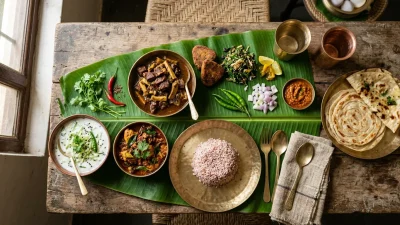
If there is a single regional cuisine enjoying its global moment in 2026, it is South Indian food. The recognition of South Indian cooking’s complexity, diversity, and sophistication is long overdue. Tamil Nadu’s Chettinad cuisine, with its bold spice blends and fermented preparations, is being featured on menus from London to San Francisco. Kerala’s coconut-rich seafood curries have become staples of global “best dishes” lists. And Karnataka’s Udupi vegetarian tradition, the original plant-based cuisine, is being rediscovered by a global dining public increasingly interested in meatless eating.
In India, the South Indian food renaissance is evident in the proliferation of premium South Indian restaurants in North Indian cities. Restaurants like Dakshin (ITC Hotels), Karavalli (The Gateway Hotel, Bangalore), and newer entrants are presenting South Indian cooking as fine dining rather than the fast-food category to which dosa and idli have been historically relegated in the North.
GI Tags: Protecting Culinary Heritage
India’s Geographical Indication (GI) system has become an important tool for recognising and protecting regional food traditions. In 2025-2026, several new food products received GI tags, including Hyderabadi Haleem, Dharwad Peda (Karnataka), and Mizo Hmarcha (Mizoram chilli). These designations protect regional products from imitation, provide marketing value, and formally recognise the cultural significance of these culinary traditions.
The GI process is also driving documentation and standardisation of regional recipes. When a product applies for GI status, it must provide detailed descriptions of traditional preparation methods, ingredient sources, and quality standards—creating a formal record of culinary knowledge that might otherwise be transmitted only through oral tradition.
The Diaspora as Ambassador
India’s 32-million-strong diaspora has been instrumental in the global elevation of regional cuisine. Unlike previous generations who adapted Indian food to Western palates, today’s diaspora chefs and food entrepreneurs are presenting regional Indian cuisines with pride and authenticity. Meherwan Irani’s Chai Pani restaurants in the US South serve street food from Maharashtra without apology. Asma Khan’s Darjeeling Express in London celebrates the food of Kolkata’s aristocratic households. Floyd Cardoz, before his passing, championed Goan and Maharashtrian flavours at his acclaimed New York restaurants.
For India’s regional cuisines, 2026 represents a turning point. The world is finally seeing what Indians have always known: that Indian food is not one cuisine but a vast, diverse family of culinary traditions, each as complex and worthy of celebration as any in the world.

- Fentanyl Vaccine Breakthrough: Scripps Research Develops Shot That Blocks Deadly Overdoses Before They Reach the Brain - June 13, 2026
- Nipah Virus Returns to Kerala — First Case of 2026 Confirmed, State Declares High Alert - June 12, 2026
- Jill Biden Reveals She Wanted to Keep PM Modi’s 7.5-Carat Diamond Gift but Returned It After State Department Valued It at $20,000 - June 8, 2026