Millets, Moringa, and Jackfruit: Why Desi Superfoods Are Beating Exotic Imports in India’s Wellness Market

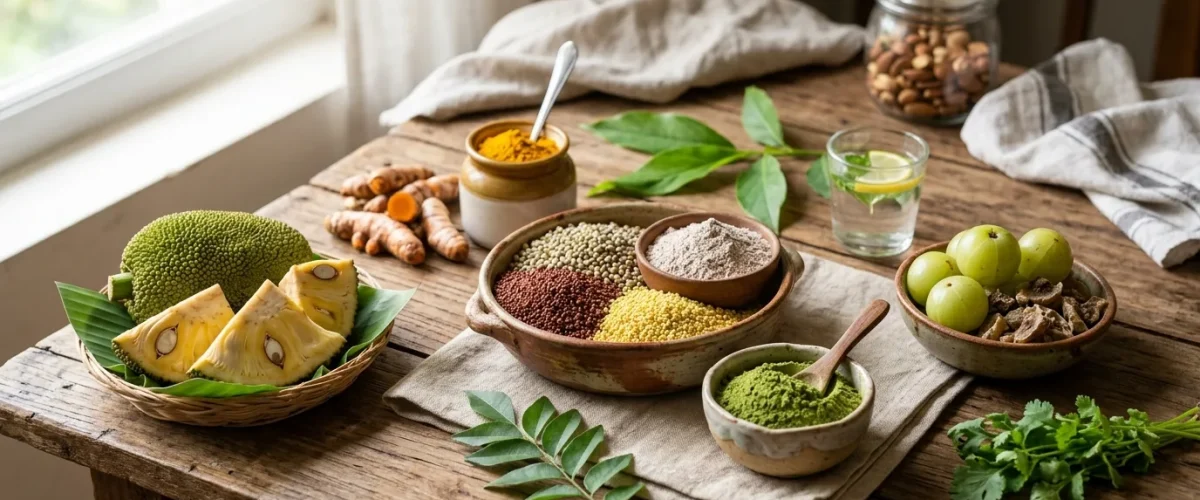
In a striking reversal of the trend that once saw Indian consumers chasing imported superfoods like acai berries, quinoa, and chia seeds, 2026 is witnessing the triumphant return of indigenous Indian superfoods to the centre of the country’s wellness market. Millets, moringa, jackfruit, turmeric, amla, and a host of other traditional ingredients are experiencing a commercial and cultural renaissance, driven by a combination of government policy support, scientific validation, and a generational shift in how young Indians think about health and nutrition. The exotic has given way to the local, and India’s kitchens are the better for it.
The Millet Revolution Comes of Age
The millet story in India has reached a tipping point. Following the United Nations’ declaration of 2023 as the International Year of Millets—an initiative championed by India—government and private sector efforts to promote millet consumption have begun yielding measurable results. According to the Indian Institute of Millets Research (IIMR), domestic millet consumption increased 35 per cent between 2023 and 2025, reversing a multi-decade decline that saw millets displaced by rice and wheat in Indian diets.
The resurgence is visible across every segment of the food industry. Ragi (finger millet) cookies and jowar (sorghum) chips are now staples in supermarket snack aisles. Bajra (pearl millet) flour has become a popular alternative to wheat flour for roti. Foxtail millet rice is replacing white rice in health-conscious households. And premium restaurants across India are incorporating millets into tasting menus, demonstrating that these ancient grains can be as sophisticated as they are nutritious.
Also read: IPL 2026 Season Preview: Key Transfers, Injuries, and Franchise Strategies
Also read: AI Summit 2026: India Showcases Ambitions but Structural Gaps Exposed
The nutritional case for millets is compelling. Rich in iron, calcium, fibre, and B vitamins, millets are significantly more nutrient-dense than polished rice. They also have a lower glycemic index, making them suitable for the 77 million Indians living with diabetes. Furthermore, millets are drought-resistant crops that require minimal water and no chemical fertilisers, aligning them with India’s food security and environmental sustainability goals.
Moringa: The Drumstick Goes Global
Moringa oleifera, the drumstick tree that grows abundantly across South India, has emerged as 2026’s most talked-about superfood ingredient. While moringa leaves have been consumed as a vegetable in South Indian cooking for centuries, it is the commercialisation of moringa powder—as a nutritional supplement and food additive—that has driven its current prominence.
Indian moringa powder exports grew 45 per cent year-on-year in 2025, with the US, EU, and Japan as primary markets. Domestically, brands like Organic India, Banyan Botanicals, and newer D2C startups like Auric and Kapiva are selling moringa-based products—powders, teas, capsules, and energy bars—that position the ingredient as India’s answer to matcha. The superfood marketing has been effective: moringa products are now a ₹2,000 crore market in India, and growing.
Jackfruit: From Waste to Wonder
Jackfruit, the world’s largest tree-borne fruit and a native of India’s Western Ghats, has undergone a remarkable transformation from a seasonal, often-wasted crop to a commercially valuable health food. India produces an estimated 1.8 million tonnes of jackfruit annually—more than any other country—but until recently, a significant portion was left to rot due to lack of processing infrastructure and commercial demand.
The change has been driven by the global plant-based food movement. Unripe jackfruit’s fibrous, meat-like texture makes it an ideal substitute for pulled pork, shredded chicken, and other meat preparations. Indian brands like Wakao Foods (which makes ready-to-eat jackfruit products) and Kathalfy (jackfruit-based snacks) have built thriving businesses on this proposition. Kerala, which designated jackfruit as its official fruit, has established processing centres that produce jackfruit flour, chips, jams, and vacuum-packed ready-to-cook preparations.
Turmeric, Amla, and Ashwagandha: The Ayurvedic Trinity
Three ingredients central to Ayurvedic medicine—turmeric (haldi), amla (Indian gooseberry), and ashwagandha—have crossed from traditional medicine into mainstream wellness products. Turmeric lattes (haldi doodh rebranded for the millennial palate) are served at cafes across India. Amla juice and amla-based supplements are among the fastest-growing segments in the nutraceutical market. And ashwagandha, an adaptogenic herb, has become one of the most popular wellness supplements globally, with Indian producers supplying a significant share of global demand.
The scientific validation of these ingredients has been crucial. Research published in journals including the Journal of Clinical Biochemistry and Nutrition, Phytomedicine, and the Indian Journal of Medical Research has documented the anti-inflammatory properties of curcumin (turmeric’s active compound), the vitamin C content of amla (20 times that of oranges by weight), and the stress-reducing effects of ashwagandha. This evidence base has given credibility to what was previously dismissed as folk medicine.
The Market Opportunity
India’s health and wellness food market is estimated at ₹30,000 crore in 2026, growing at 15 per cent annually. Within this market, products based on traditional Indian superfoods are the fastest-growing segment, outpacing imported alternatives like quinoa and kale by a factor of three. Consumer research by Nielsen IQ indicates that 62 per cent of Indian consumers now prefer locally sourced health foods over imported ones—a complete reversal from 2019, when imported superfoods commanded a premium in the Indian market.
For India’s agricultural economy, the superfood revival is a meaningful development. Millet farmers, moringa growers, and jackfruit cultivators are seeing improved farm-gate prices and greater market access. The government’s National Food Processing Mission is channelling investment into processing infrastructure for these crops, creating a more robust farm-to-consumer supply chain.
In 2026, the message from India’s wellness market is clear: the most powerful superfoods are not exotic imports but the ingredients that have sustained Indian health for millennia—and the country is finally valuing them accordingly.

- Fentanyl Vaccine Breakthrough: Scripps Research Develops Shot That Blocks Deadly Overdoses Before They Reach the Brain - June 13, 2026
- Nipah Virus Returns to Kerala — First Case of 2026 Confirmed, State Declares High Alert - June 12, 2026
- Jill Biden Reveals She Wanted to Keep PM Modi’s 7.5-Carat Diamond Gift but Returned It After State Department Valued It at $20,000 - June 8, 2026