Supreme Court Slams States for Giving Freebies to Affluent While Running Deficits — Warns of Long-Term Economic Harm

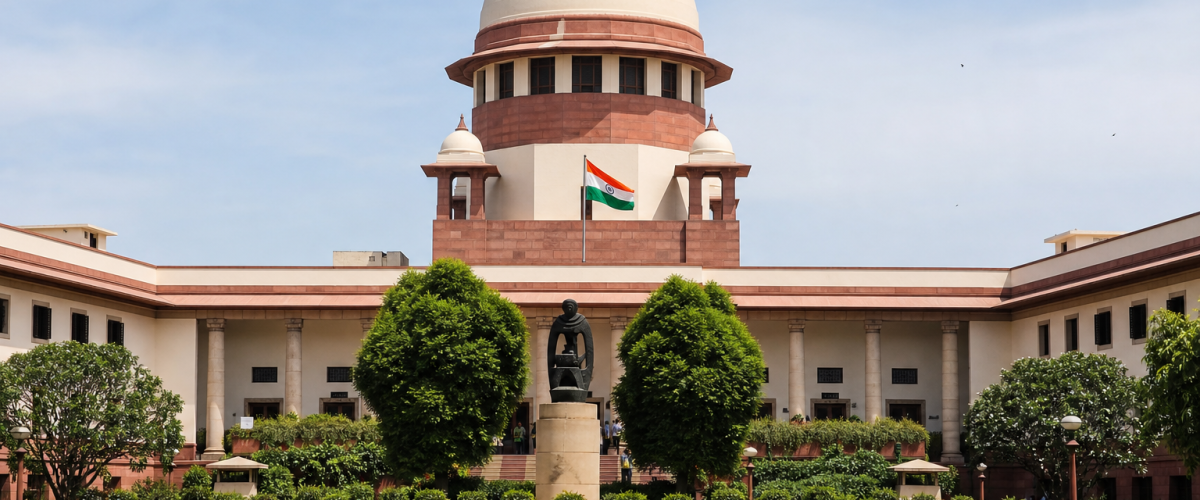
The Supreme Court of India issued a stern critique on June 10, 2026, of the growing trend among political parties and elected governments to announce freebies and direct cash transfers to woo voters, warning that this culture could hamper the nation’s long-term development. A bench led by Chief Justice of India delivered the observations while hearing a public interest litigation (PIL) that challenged the constitutionality of pre-election promises involving free goods and services.
The court observed that while welfare spending targeted at the genuinely poor is a constitutional obligation, the indiscriminate distribution of freebies — including to affluent sections of society — amounts to fiscal irresponsibility. “The state cannot give away what it does not have,” the bench remarked. “When governments run deficits to fund populist schemes that benefit those who don’t need them, it is the poor who ultimately pay the price through reduced investment in education, health, and infrastructure.”
The Freebie Epidemic
The Supreme Court’s observations come against the backdrop of an escalating “freebie war” among political parties across India. In recent years, state elections have seen parties compete to offer voters increasingly generous promises — from free electricity, water, and Wi-Fi to direct cash transfers, free laptops, and even free two-wheelers. The trend, which began in earnest with the success of welfare-heavy election manifestos in states like Tamil Nadu and Delhi, has now spread to virtually every state.
The fiscal impact has been significant. According to data presented to the court by the Reserve Bank of India, the combined fiscal deficit of Indian states has widened to 3.8% of GDP in FY2025-26, up from 2.8% five years ago. Several states, including Punjab, Kerala, West Bengal, and Rajasthan, have debt-to-GDP ratios exceeding 35%, raising concerns about fiscal sustainability.
The problem, economists argue, is not welfare spending per se but the design of these schemes. Universal benefits — where everyone receives the same handout regardless of income — are inherently inefficient. A free electricity scheme that benefits a factory owner and a daily-wage labourer equally is, in effect, a regressive transfer that diverts resources from where they are needed most.
What the Court Said
The bench made several pointed observations during the hearing. It noted that India’s Constitution mandates the state to promote the welfare of its citizens, but this obligation must be balanced against the principles of fiscal prudence and intergenerational equity. “A government that borrows to give freebies today is imposing a tax on future generations,” the court said. “This is not welfare — it is a transfer of burden from the present to the future.”
The court also criticised the lack of transparency in how freebies are funded. “Voters have a right to know not just what they will receive, but how it will be paid for,” the bench observed. “Political parties that promise free goods without explaining the fiscal implications are undermining the informed consent that is the foundation of democratic choice.”
Importantly, the court drew a clear distinction between targeted welfare measures and populist freebies. Schemes like PM-KISAN (direct income support to small farmers), Ayushman Bharat (health insurance for the poor), and subsidised food through the Public Distribution System were described as “constitutionally mandated welfare” that addresses genuine deprivation. In contrast, universal free electricity, free bus rides for all (regardless of income), and cash transfers without means testing were flagged as potentially problematic.
Political Reactions
The court’s observations provoked strong reactions across the political spectrum. The BJP, which has been a critic of opposition-led freebie schemes while promoting its own welfare programmes, welcomed the court’s remarks. Union Finance Minister Nirmala Sitharaman said: “We have always advocated for targeted, technology-enabled welfare delivery. The Supreme Court’s observations validate our approach.”
Opposition parties, however, pushed back forcefully. The Aam Aadmi Party (AAP), which pioneered free water and electricity schemes in Delhi, called the observations “anti-poor.” Delhi’s former Chief Minister and AAP national convenor Arvind Kejriwal said: “When the government gives tax breaks worth lakhs of crores to corporates, no one calls it a freebie. When it gives free bus rides to women, suddenly it’s fiscal irresponsibility.”
The Congress party, which has promised various welfare schemes in its state-level manifestos, struck a more moderate tone. “Welfare is not a freebie — it is a right,” said party spokesperson Jairam Ramesh. “But we agree that schemes must be well-designed, properly targeted, and fiscally sustainable.”
The Way Forward
The court has asked the Election Commission of India to submit a report on the feasibility of requiring political parties to disclose the fiscal impact of their election promises. It has also sought the views of NITI Aayog and the RBI on establishing guidelines for distinguishing between legitimate welfare spending and populist freebies.
Also Read
- Election Commission Announces Rajya Sabha Polls for 24 Seats Across 10 States on June 18 2026
- Supreme Court Upholds Election Commission’s Power to Conduct SIR — Rules Special Intensive Revision ‘Breathes Life Into Constitution’
- TMC Challenges West Bengal Election Results in Supreme Court Claiming SIR Voter Deletions Affected Outcomes in 31 Assembly Seats
- PM Modi Chairs 11th NITI Aayog Governing Council Meeting
The case will be heard next in August, but the debate it has triggered is unlikely to be resolved anytime soon. At its core, the freebie question is a political one — and in a democracy where votes are won by promising tangible benefits, the incentive to offer more will always be powerful. The Supreme Court’s intervention ensures that at least the fiscal consequences of these promises will be part of the conversation.