Election Commission Announces Rajya Sabha Polls for 24 Seats Across 10 States on June 18 2026

ECI Sets June 18 as Polling Date for 24 Rajya Sabha Seats
The Election Commission of India on 22 May 2026 announced that elections to 24 seats in the Rajya Sabha, India’s upper house of Parliament, will be held on 18 June 2026. The seats span 10 states and represent the latest phase of the routine six-year cycle that determines the composition of the 245-member chamber. The notification for the elections is expected to be issued by the end of May, with the last date for filing nominations, scrutiny, and withdrawal to follow in the first two weeks of June.
The 24 seats up for grabs are spread across states including Uttar Pradesh, Maharashtra, Rajasthan, Karnataka, Madhya Pradesh, West Bengal, Tamil Nadu, Gujarat, Andhra Pradesh, and Telangana. The distribution of seats varies by state, with Uttar Pradesh accounting for the largest share given its position as India’s most populous state and its correspondingly large contingent of Rajya Sabha members.
Members of state legislative assemblies will serve as the electorate for these elections, as mandated by the Indian Constitution. Unlike general elections where the public votes directly, Rajya Sabha polls involve elected state legislators casting their ballots using a single transferable vote system with proportional representation. This indirect election method means that the outcome is heavily influenced by the party composition of each state assembly.
Stakes for BJP and Opposition in the Upper House
The June elections carry significant political implications for the ruling Bharatiya Janata Party and the opposition bloc. The BJP has been steadily increasing its presence in the Rajya Sabha over the past decade, buoyed by its dominant performance in successive state assembly elections across northern and western India. However, the party still does not command a standalone majority in the upper house, frequently requiring support from allies and friendly parties to pass legislation.
A strong showing in the June polls could bring the BJP closer to that elusive majority, particularly given its recent victories in state elections that have expanded the pool of friendly legislators who will vote in these Rajya Sabha contests. Uttar Pradesh, Maharashtra, Madhya Pradesh, Rajasthan, and Gujarat all have BJP-led governments or assemblies with strong BJP representation, which should translate into comfortable wins for the party’s nominees in those states.
The opposition, led by the Congress party and its allies in the INDIA bloc, will look to defend its existing seats and potentially pick up additional representation in states where it has a strong legislative presence. West Bengal, where the Trinamool Congress holds a commanding majority in the state assembly, is expected to deliver wins for TMC-backed candidates. Tamil Nadu, governed by the DMK-led alliance, and Karnataka will also be closely watched for signals about the opposition’s strength in the upper house.
Key Contests and Cross-Voting Concerns
While many of the 24 seats are expected to be decided along party lines based on each party’s strength in the respective state assemblies, several contests could produce surprises. Cross-voting, where legislators vote against their party’s official candidate, has been a recurring feature of Rajya Sabha elections in India and has occasionally produced dramatic upsets.
The BJP has historically been effective at managing cross-voting in its favour, using a combination of party discipline and strategic outreach to opposition legislators. The party’s success in winning Rajya Sabha seats even in states where it does not hold a majority has been a hallmark of its political strategy under the current leadership. This approach has gradually tilted the upper house in its favour even when the numbers on paper suggest otherwise.
Andhra Pradesh presents a particularly interesting contest. The state’s political landscape has been reshaped by recent developments, and the composition of the state assembly will determine whether the ruling party can sweep its allotted seats or whether the opposition can mount a credible challenge. The Telugu Desam Party, which is part of the NDA alliance at the national level, controls the state government and is expected to deliver seats for the ruling coalition.
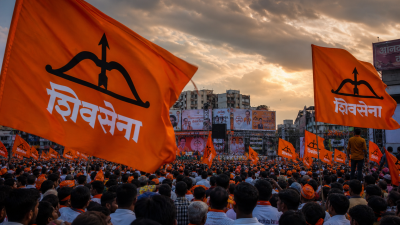
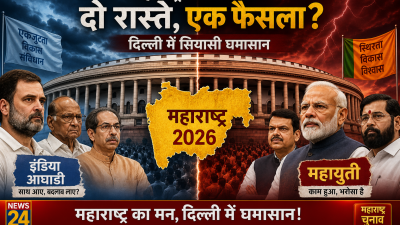
In Maharashtra, the complex alliance dynamics between the BJP, Shiv Sena factions, and the NCP add layers of intrigue. The state has historically been a battleground for Rajya Sabha seats, with coalition partners jostling for their share of nominations. How the ruling Mahayuti alliance distributes tickets among its constituent parties could determine whether all alliance candidates sail through or whether internal tensions create openings for the opposition.
Constitutional Role of the Rajya Sabha
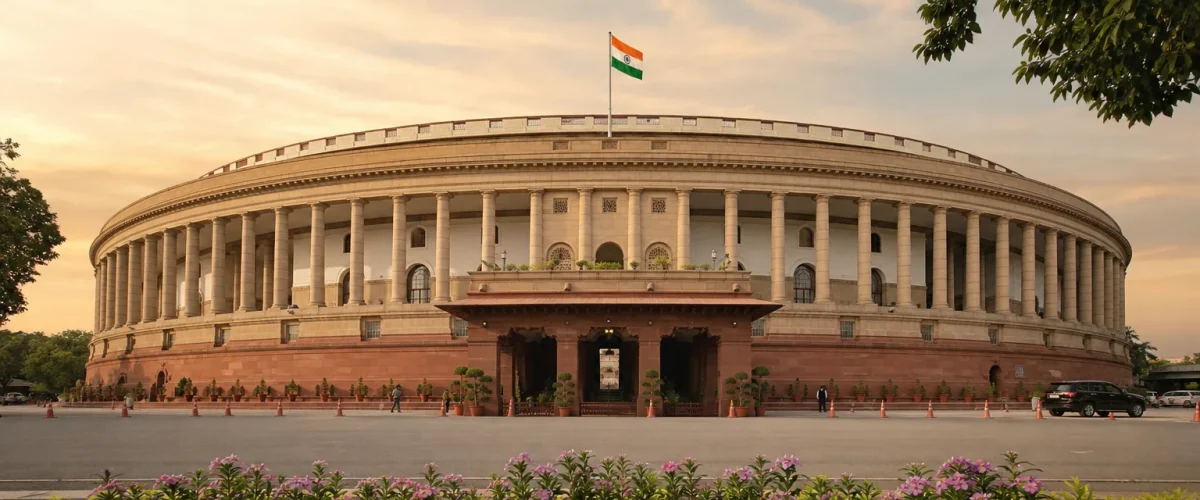
The Rajya Sabha plays a crucial role in India’s parliamentary democracy as the Council of States. While it cannot initiate or reject money bills, it has the power to delay and amend ordinary legislation, review constitutional amendments, and participate in joint sessions when disagreements arise between the two houses. Several landmark legislations in recent years have required careful floor management in the Rajya Sabha, where the government’s majority is thinner than in the Lok Sabha.
The upper house also serves as a forum for experienced parliamentarians, domain experts, and public figures who are nominated or elected to bring diverse perspectives to the legislative process. The 12 members nominated by the President, in addition to the 233 elected members, add another dimension to the chamber’s composition and deliberations.
The upcoming elections will also determine the composition of several important parliamentary committees that derive their membership from both houses. These committees play an essential role in scrutinising government policy, examining budgets, and holding the executive accountable between parliamentary sessions.
Timeline and Process Ahead
The formal notification for the Rajya Sabha elections is expected within days. Candidates will then have approximately two weeks to file their nominations, which must be supported by at least ten members of the state legislative assembly or one-tenth of the total assembly members, whichever is less. The scrutiny of nominations and the window for withdrawals will follow in quick succession, with the final list of contesting candidates confirmed about a week before polling day.
On polling day, members of each state legislature will vote using a preferential ballot system where they rank candidates in order of preference. A candidate must secure a specified quota of votes to win, calculated based on the number of seats being filled and the total number of valid votes cast. If no candidate meets the quota in the first round of counting, the candidate with the fewest votes is eliminated, and their votes are redistributed based on second preferences.
The results are expected to be declared on the same day as polling, given the relatively small electorate and straightforward counting process. The newly elected members will assume their seats in the Rajya Sabha starting in July 2026, coinciding with the monsoon session of Parliament. Their tenure will run for six years, until 2032, continuing the staggered rotation that ensures the Rajya Sabha is a permanent body that is never fully dissolved.
Political analysts note that these elections come at a critical juncture, with major policy initiatives including the education reform agenda and economic legislation requiring upper house approval. The composition of the new Rajya Sabha could determine the pace and scope of legislative action in the coming years.
Related Stories on DailyTips
- SRH Beat RCB by 55 Runs in IPL 2026 Match 67 but Joy for Bengaluru as They Seal First Place in Points Table
- Venezuela Overtakes Saudi Arabia and US to Become India Third Largest Crude Oil Supplier in May 2026 Amid West Asia Crisis
- India Successfully Tests Vayu Astra-1 Loitering Munition at Pokhran With 100 km Strike Range and 10 kg Warhead
Explore more: India | Governance

- Indian Army Gets New Chief as General Dwivedi Hands Over Command Amid Push for Indigenous Defence Tech - July 1, 2026
- Ayodhya Ram Temple Donation Scandal Deepens as Trustees Resign and SIT Arrests Eight - June 29, 2026
- Bengal Seven Weeks On: Modi’s Historic Win and the Questions That Won’t Go Away - June 28, 2026