NEET UG 2026 Paper Leak Probe Intensifies as Rajasthan SOG Uncovers Multi-State Circulation Network and Parliamentary Committee Grills NTA Chief

NEET UG 2026 Paper Leak Investigation Enters Critical Phase
The investigation into the alleged NEET UG 2026 paper leak has entered a critical phase, with the Rajasthan Police Special Operations Group uncovering evidence of a multi-state circulation network and a parliamentary standing committee subjecting the National Testing Agency chief to intensive questioning about the examination’s integrity. The probe, which began after allegations surfaced that a “guess paper” circulated before the 3 May examination contained questions closely matching the actual test, has expanded into one of the most significant education fraud investigations in recent Indian history.
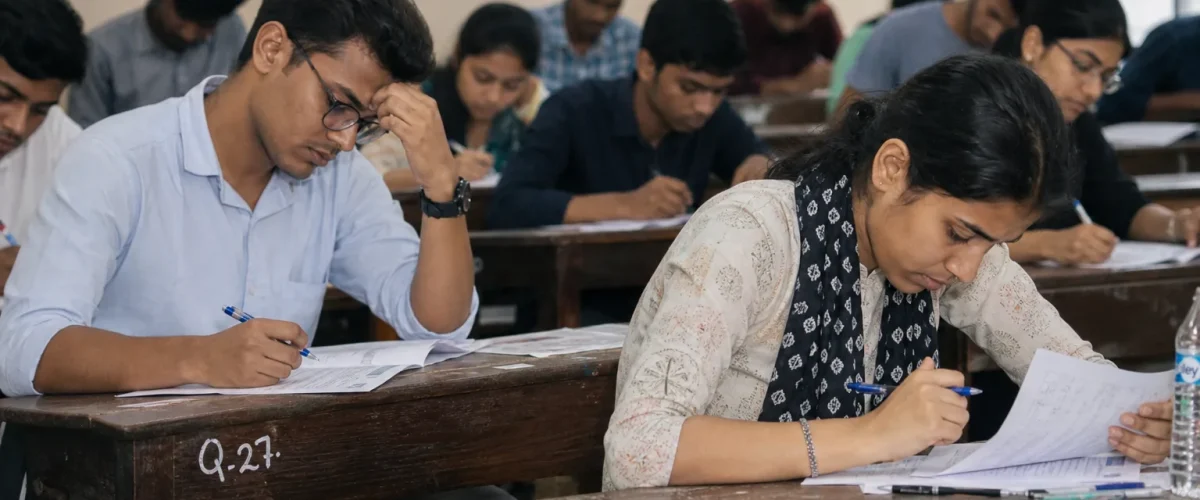
NEET UG 2026, the national medical entrance examination for admission to MBBS, BDS and AYUSH programmes across India, was taken by approximately 24 lakh students this year. The stakes could not be higher — a single examination determines access to medical education for an entire generation of aspiring doctors, and any compromise of its integrity strikes at the foundation of meritocratic opportunity in India’s education system.
SOG Probes Multi-State Circulation Trail
The Rajasthan SOG’s investigation has revealed that the alleged leaked material did not originate from a single source but appears to have been distributed through a coordinated network operating across multiple states. According to reports from the Times of India and other news outlets, the SOG is tracing the circulation trail of material that reportedly contained questions closely matching those that appeared on the actual NEET UG 2026 paper.
Of particular concern is the allegation that the circulated material included questions worth approximately 600 marks out of the total 720, a level of accuracy that, if verified, would be extremely difficult to attribute to coincidence or legitimate exam preparation. The SOG is investigating how the material was obtained, who distributed it and whether any officials within the examination administration chain were complicit.
The multi-state nature of the circulation network suggests a level of organisation and sophistication that goes beyond a lone actor or small group. Investigators are reportedly examining digital communications, financial transactions and physical movements of suspected individuals across Rajasthan, Bihar, Uttar Pradesh and possibly other states. The involvement of interstate networks has raised questions about whether the leak was an isolated incident or part of a larger organised crime operation that targets competitive examinations.
Parliamentary Committee Grills NTA Chief
In a separate but related development, the parliamentary standing committee on education summoned the NTA director for a hearing on the paper leak allegations. The hearing, described by committee members as intense and detailed, focused on several key questions: how the leak occurred, what safeguards were in place to prevent such incidents, why those safeguards failed and what steps the NTA is taking to prevent future breaches.
According to sources familiar with the proceedings, the NTA director told the committee that the leak “did not originate from their system,” suggesting that the breach occurred at some point in the logistics chain between the NTA’s secure facilities and the examination centres. This claim, while potentially absolving the NTA of direct culpability, raises equally serious questions about the security of the examination paper distribution process.
The committee also examined the broader reforms that the NTA has undertaken or plans to undertake in response to the crisis. The government has already announced that NEET UG examinations will shift to computer-based testing from next year, a move designed to eliminate the physical paper that creates the vulnerability exploited by leaking networks. However, critics have pointed out that computer-based testing introduces its own security challenges and may not be accessible to students in rural areas with limited digital infrastructure.
Impact on Students and the NEET Re-Exam
The human cost of the paper leak scandal is measured in the anxiety and uncertainty experienced by millions of students and their families. The cancellation of the original NEET UG 2026 results and the scheduling of a re-examination for 21 June have disrupted the academic plans of approximately 24 lakh students, many of whom had been preparing for the examination for years.
For students from economically disadvantaged backgrounds, the additional cost of preparing for and travelling to re-examination centres represents a genuine financial hardship. Several student organisations have demanded that the government provide financial support or travel assistance to affected candidates, though no such scheme has been announced as yet.
The psychological impact is also significant. Students who performed well on the original examination are forced to re-prove their abilities, while those who may have benefited from leaked material face the prospect of being caught in the investigation. The uncertainty surrounding the re-examination date and format has made it difficult for students to plan their preparation effectively.
The Broader Crisis of Examination Integrity
The NEET UG 2026 paper leak is not an isolated incident. India has faced a series of examination integrity crises across various competitive tests in recent years. From state-level recruitment examinations to national-level tests, the pattern of paper leaks, impersonation and organised cheating networks suggests a systemic vulnerability in the country’s examination infrastructure.
The root causes are multiple: the enormous stakes attached to single examinations that determine life trajectories, the commercial incentive for organised crime to exploit desperate students and families, the logistical challenges of securing paper-based examinations across a vast and diverse country, and the inadequacy of surveillance and accountability mechanisms at examination centres.
Experts have proposed a range of solutions, from the shift to computer-based testing already announced for NEET to more fundamental reforms such as multiple testing windows per year, modular examinations that reduce the impact of any single test and decentralised examination systems that limit the value of any single leaked paper. However, each of these solutions involves trade-offs in terms of cost, accessibility and administrative complexity.
What Happens Next
The investigation is expected to produce significant developments in the coming weeks as the SOG follows the multi-state circulation trail and forensic analysis of seized devices and documents continues. Arrests of alleged network members are anticipated, though the masterminds behind the operation may prove more difficult to identify and apprehend.
The re-examination on 21 June will be conducted under enhanced security measures, including end-to-end CCTV surveillance, restricted mobile phone zones and randomised seating arrangements. The NTA has pledged that the re-examination will be completely secure, though skeptics question whether the fundamental vulnerabilities of the paper-based system can be addressed in such a short timeframe.
For the millions of students whose futures depend on the NEET examination, the paper leak scandal represents yet another obstacle in an already challenging journey toward medical education. The outcome of both the investigation and the re-examination will shape public confidence in India’s examination system for years to come, and the reforms that emerge from this crisis could determine whether the next generation of students faces the same vulnerabilities or benefits from a more secure and equitable system.
Explore more: Social Trends | Culture & Lifestyle

- Indian Army Gets New Chief as General Dwivedi Hands Over Command Amid Push for Indigenous Defence Tech - July 1, 2026
- Ayodhya Ram Temple Donation Scandal Deepens as Trustees Resign and SIT Arrests Eight - June 29, 2026
- Bengal Seven Weeks On: Modi’s Historic Win and the Questions That Won’t Go Away - June 28, 2026