Samsung Electronics Workers Suspend Planned 18-Day Strike After Last-Minute Negotiations Resume Under Government Pressure

Last-Minute Government Intervention Averts Samsung’s Largest Ever Strike
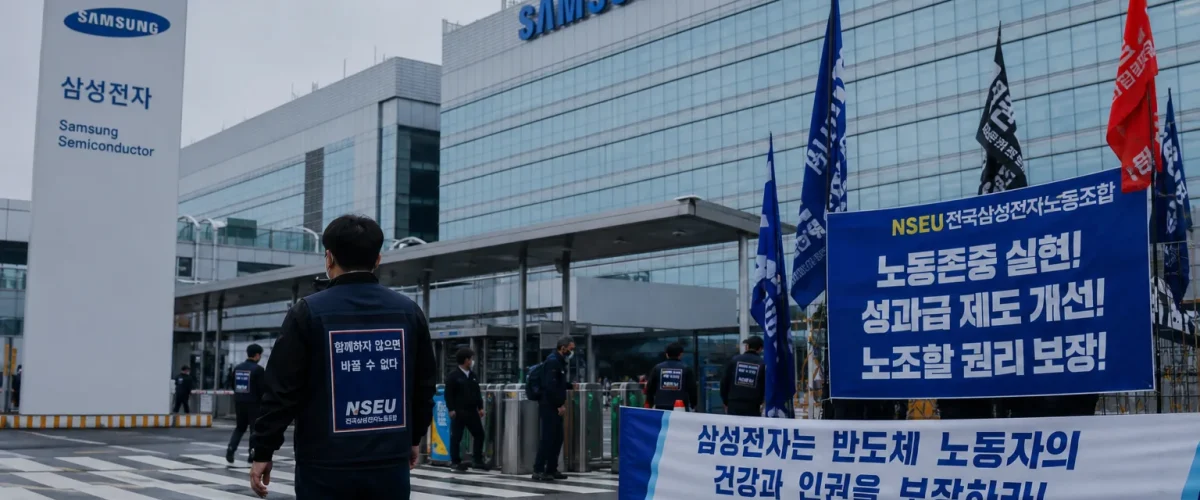
In a dramatic late-night development on 20 May 2026, Samsung Electronics’ labour union announced the suspension of a planned 18-day strike that had been set to begin on 21 May. The decision came after the South Korean government intervened directly, with the country’s labour minister personally brokering renewed negotiations between company management and union representatives.
The strike, which would have been the largest in Samsung’s 55-year history, had threatened to involve more than 41,000 unionised workers across the company’s semiconductor fabrication plants, display manufacturing facilities, and assembly lines. Industry analysts had warned that an extended walkout could cause production losses exceeding 40 trillion South Korean won and send shockwaves through global chip supply chains already strained by surging AI demand.
The suspension offers temporary relief but does not represent a resolution. Both sides have agreed to resume formal talks under government mediation, with a 10-day window to reach a settlement before the union’s right to call another strike action kicks in again.
The Dispute: AI Profits Versus Worker Compensation
At the heart of the confrontation is a fundamental disagreement over how Samsung should distribute the extraordinary profits generated by the global artificial intelligence boom. Samsung Electronics, the world’s largest memory chipmaker, has seen its earnings surge as demand for high-bandwidth memory (HBM) chips used in AI data centres has exploded. The company’s semiconductor division reported record quarterly operating profits in early 2026, driven primarily by sales to hyperscalers building out AI computing infrastructure.
The union has demanded that Samsung scrap its current bonus cap and allocate 15 per cent of operating profit toward performance bonuses for employees. Union leaders argue that workers on the factory floor are directly responsible for producing the advanced chips driving Samsung’s profit surge and deserve a proportionate share of the windfall.
Samsung management has countered with an offer to allocate 10 per cent of operating profit as bonuses, alongside a one-off special compensation package that the company described as exceeding industry standards. Management has maintained that the union’s demands would be “unsustainable in the long term” and could undermine the company’s ability to invest in next-generation manufacturing capacity.
Government Steps In With Emergency Powers
The South Korean government’s intervention reflected the national economic stakes involved. Samsung Electronics accounts for roughly 20 per cent of South Korea’s total exports and is a cornerstone of the country’s technology-driven economy. A prolonged strike at Samsung’s chip fabrication plants could have disrupted global supply chains for memory chips, smartphones, and AI server components.
Reports emerged that the government had warned it could invoke emergency mediation powers to restrict the industrial action and force a settlement if voluntary negotiations failed. This legal tool, rarely used in South Korean labour disputes, allows the government to impose a cooling-off period and compel both parties to accept binding arbitration.
Separately, a local court in Seoul partly granted Samsung’s injunction request against the strike, ordering the union to maintain normal operations at certain critical production facilities even if industrial action proceeded. This judicial intervention covered Samsung’s most advanced memory chip fabrication lines, which produce the HBM3E chips that are in acute shortage globally.
Global Market Impact and Supply Chain Relief
Financial markets responded positively to the strike suspension. Samsung Electronics shares surged 5.9 per cent in Thursday morning trading in Seoul, contributing to a broader rally in South Korean equities. The benchmark Kospi index climbed 6.8 per cent during morning trade, with gains amplified by separate positive developments around Middle East peace negotiations that pushed oil prices lower.
Technology companies that depend on Samsung’s chip output also breathed a sigh of relief. Samsung is the dominant supplier of HBM chips alongside SK Hynix, and any significant production disruption would have cascading effects on companies like Nvidia, AMD, and major cloud providers that are racing to build out AI infrastructure. The strike threat had already prompted some customers to accelerate orders and build buffer inventory, adding to an already tight supply situation.
Broader Implications for the Global Tech Workforce
The Samsung dispute is part of a broader pattern of labour tensions emerging across the technology industry as AI transforms workplace dynamics. While some companies are using AI to reduce headcount, others like Samsung are generating record profits from AI-related products while workers demand a fairer share of the gains. This tension between capital returns and worker compensation is likely to intensify as the AI boom continues.
In South Korea specifically, the dispute has reignited debate about the country’s labour relations model. Samsung was famously a “no union” company for decades until workers successfully organised in the late 2010s. The current confrontation represents the most significant test of the union’s power since its formation and could set precedents for labour negotiations across Samsung’s broader corporate group and other Korean conglomerates.
What Happens Next
Both sides now face a critical 10-day negotiation window. Industry observers expect the eventual settlement to land somewhere between the two positions, likely around 12 to 13 per cent of operating profit allocated to bonuses with some structural reforms to the compensation framework. If talks collapse again, the union retains the legal right to call fresh industrial action, and the economic disruption could be even more severe than originally anticipated, as delayed strikes often involve heightened worker frustration and longer walkout periods.
For the global technology supply chain, the Samsung situation serves as a reminder that the AI boom’s benefits are not automatically distributed evenly, and that the humans who manufacture the hardware powering the artificial intelligence revolution are increasingly willing to fight for their share of the wealth it creates.
Explore more: Business & Economy | Companies