PM Modi Distributes Over 51,000 Appointment Letters at 19th Rozgar Mela — Total Crosses 12.5 Lakh

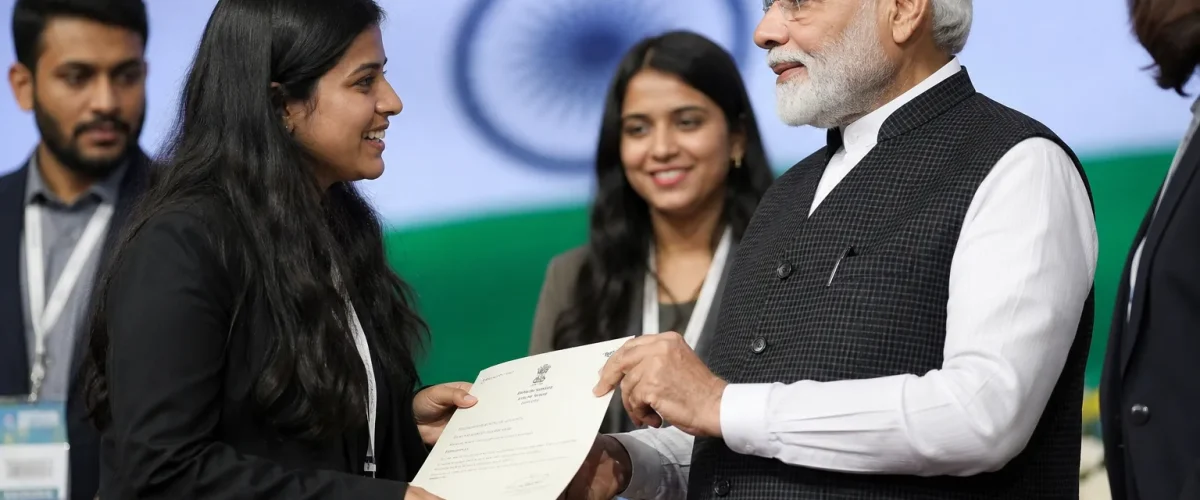
Prime Minister Narendra Modi on Saturday distributed more than 51,000 appointment letters to newly recruited government employees at the 19th Rozgar Mela, conducted via video conferencing from New Delhi. With this latest batch, the total number of appointment letters distributed across all 19 Rozgar Melas has crossed 12.5 lakh (1.25 million), marking a significant milestone in the government’s employment generation drive.
Scale and Scope of the 19th Edition
The mega recruitment event was held simultaneously across 47 cities in India, with physical distribution centres set up in state capitals and major district headquarters. The 51,000-plus appointees have been placed across a wide range of government departments and organisations:
- Indian Railways: The largest single employer in this batch, absorbing over 12,000 recruits across technical, operational, and administrative positions
- Ministry of Home Affairs: Including Central Armed Police Forces (CAPF), Border Security Force (BSF), and CISF
- Ministry of Health and Family Welfare: Doctors, nurses, paramedics, and administrative staff for government hospitals and primary health centres
- Department of Financial Services: Clerical and officer-level positions in public sector banks and insurance companies
- Ministry of Education: Teaching positions in Kendriya Vidyalayas, Navodaya Vidyalayas, and central universities
The age profile of recruits ranged from 18 to 35, with a significant proportion hailing from Tier 2 and Tier 3 cities, reflecting the government’s emphasis on equitable geographic distribution.
PM Modi’s Address to New Recruits
Addressing the appointees via video conference, PM Modi emphasised their role in India’s development trajectory. “Today is a very important day for thousands of young people across the country. You have received government appointment letters, and with this, you are becoming important and responsible partners in the nation’s development journey,” he said.
The Prime Minister highlighted three key themes in his address:
- Digital governance: He urged new recruits to embrace technology and digital tools in their respective departments, noting that India’s governance model is increasingly becoming “digital-first” through initiatives like DigiLocker, GeM (Government e-Marketplace), and the UMANG app.
- Service orientation: “You are not just joining a job — you are joining a mission to serve 140 crore Indians. Approach every citizen’s problem as your own,” Modi told the recruits.
- Viksit Bharat 2047: Linking the Rozgar Mela to the larger vision of a developed India by 2047, the PM said that a competent and motivated government workforce is essential for achieving this goal.
The Rozgar Mela Programme: A Statistical Overview
Launched in October 2022, the Rozgar Mela has become one of the government’s flagship employment initiatives. Here’s a snapshot of its growth:
| Edition | Date | Letters Distributed |
|---|---|---|
| 1st | October 2022 | 75,000 |
| 10th | August 2024 | 51,000 |
| 15th | July 2025 | 52,000 |
| 18th | March 2026 | 50,000 |
| 19th | May 23, 2026 | 51,000+ |
| Cumulative Total | 12.5 lakh+ | |
Opposition Response and Criticism
While the BJP has hailed the Rozgar Mela as evidence of the government’s commitment to employment, opposition parties have raised questions about the quality and permanence of these positions.
Congress leader Jairam Ramesh said on social media: “The PM is distributing appointment letters through televised events, but the reality is that government vacancies still number in the lakhs. The Railways alone has over 3 lakh unfilled positions.” He also pointed to the recent NEET paper leak scandal as evidence of “systemic failure” in government recruitment processes.
Independent economists have noted that while the Rozgar Mela numbers are impressive, they represent a fraction of India’s employment challenge. With roughly 12 million young people entering the workforce annually, government jobs — even at the pace of 50,000+ per quarter — can address only a small portion of demand. The larger solution, they argue, lies in private sector job creation, which has been sluggish amid global economic uncertainty.
VBG-REALM: The Next Chapter
Alongside the Rozgar Mela, the government has recently released draft rules for VBG-REALM (Viksit Bharat Guarantee for Rozgar and Ajeevika Mission — Gramin), which is expected to replace MGNREGA from July 1, 2026. The new scheme promises higher wages, more working days, and integration with skill development programmes.
Public feedback on the draft rules has been invited until June 15, after which the final framework will be notified. If implemented successfully, VBG-REALM could significantly expand rural employment opportunities and complement the urban-focused Rozgar Mela initiative.
Read more on Governance & Trends on Daily Tips.
Related Articles
- India Heatwave Intensifies as Delhi Hits 43.4 Degrees Celsius Making It Hottest May Day in Two Years and Power Demand Touches Record
- Russia Launches Largest Nuclear Military Exercises in Years Mobilizing 65000 Troops and 200 Missile Launchers as NATO Tensions Escalate
- Election Commission Announces Rajya Sabha Polls for 24 Seats Across 10 States on June 18 2026

- Indian Army Gets New Chief as General Dwivedi Hands Over Command Amid Push for Indigenous Defence Tech - July 1, 2026
- Ayodhya Ram Temple Donation Scandal Deepens as Trustees Resign and SIT Arrests Eight - June 29, 2026
- Bengal Seven Weeks On: Modi’s Historic Win and the Questions That Won’t Go Away - June 28, 2026