ITBP Launches Mission to Retrieve ‘Green Boots’ Body From Mount Everest After 30 Years

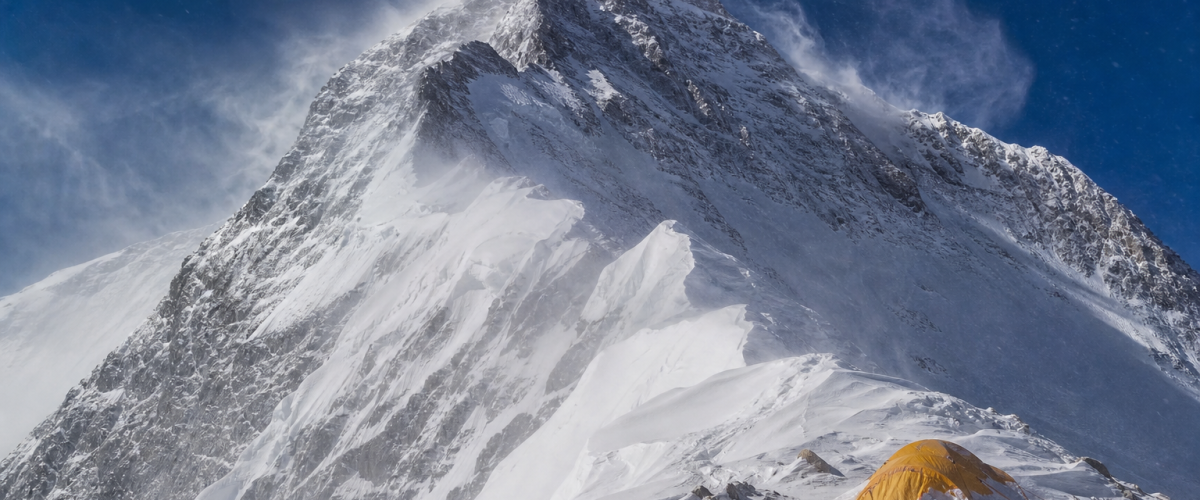
The Indo-Tibetan Border Police (ITBP) has launched an unprecedented mission to retrieve one of mountaineering’s most haunting landmarks — the body of a climber known as “Green Boots” who has lain frozen in Mount Everest’s notorious death zone for three decades. The ITBP has issued a formal tender to hire a specialist high-altitude recovery agency for the mission, which is planned between June and September 2026 and will involve a team of elite Sherpas entering one of the most inhospitable environments on Earth.
For 30 years, the body of the climber — identifiable by the distinctive green Koflach mountaineering boots still on his feet — has served as a grim landmark for climbers ascending Everest’s northeast ridge from the Tibetan side. Lying in a limestone alcove at approximately 8,500 metres above sea level, just below the summit, Green Boots has become perhaps the most well-known of the estimated 200+ bodies that remain on Everest’s slopes, a sobering reminder of the mountain’s deadly power.
Who Was Green Boots?
Green Boots is widely believed to be Tsewang Paljor, a member of the ITBP who died during a disastrous attempt to summit Everest in May 1996. Paljor, along with two colleagues — Tsewang Smanla and Dorje Morup — was part of an ITBP expedition that encountered a severe blizzard during their summit push. All three perished in the storm, which coincided with the broader 1996 Everest disaster immortalised in Jon Krakauer’s book “Into Thin Air.”
Related: Budget 2026 Unveils Mountain Trail Network Across Himachal Pradesh, Kashmir, and Eastern Ghats
Paljor, who was from Ladakh, was an experienced mountaineer who had joined the ITBP specifically for the opportunity to participate in high-altitude expeditions. His death at the age of 28 was mourned deeply by his family, who have long sought the return of his remains — a request that has become the driving force behind the current recovery mission.
The ITBP has never officially confirmed that Green Boots is Paljor, noting that formal identification has been impossible without recovering the body. However, the circumstantial evidence — the location, the boots, the timing, and the route taken by the ITBP expedition — has led to a broad consensus among mountaineering historians and the climbing community.
The Extraordinary Challenge of Recovery
Retrieving a body from Everest’s death zone is one of the most technically demanding and dangerous operations in mountaineering. At 8,500 metres, the atmospheric pressure is approximately one-third of that at sea level, meaning climbers must use supplemental oxygen and can only operate for limited periods before the risk of altitude sickness, pulmonary oedema, or cerebral oedema becomes life-threatening.
The body, which has been frozen in sub-zero temperatures for three decades, is likely encased in ice and may have fused with the rock surface. Moving a frozen body weighing approximately 75-90 kilograms down steep, technical terrain at extreme altitude is extraordinarily hazardous — any misstep could endanger the recovery team.
According to the tender specifications published by the ITBP, the mission requires at least six highly experienced Sherpas with expertise in technical retrieval operations above 8,000 metres. The winning bidder must also secure permission from Chinese authorities in Tibet (since the body lies on the northern route), arrange cross-border transportation through Nepal, complete legal repatriation formalities, and employ appropriate preservation techniques for remains that have been exposed to extreme conditions for decades.
Why Now? The Ethics and Emotion
The decision to launch the recovery mission reflects a convergence of family wishes, institutional pride, and evolving attitudes toward the growing number of bodies on Everest. For Paljor’s family in Ladakh, the recovery represents closure after 30 years of grief and the hope of performing proper last rites according to their traditions.
For the ITBP, retrieving one of their own carries deep institutional significance. The force, which is responsible for guarding India’s border with China along the Himalayan frontier, prides itself on its mountaineering heritage. Leaving a fallen comrade on the mountain has been a source of quiet discomfort within the organisation, and the recovery mission addresses that longstanding obligation.
More broadly, the mission reflects growing international debate about the ethics of leaving bodies on Everest. As commercial climbing has made the mountain more accessible, the number of deaths has increased, and the presence of visible human remains along popular routes has raised questions about dignity, environmental impact, and the responsibilities of expedition operators.
The Broader Context: Everest’s Death Zone
Mount Everest’s death zone — the area above 8,000 metres — is one of the most lethal environments on Earth. The combination of extreme altitude, unpredictable weather, technical terrain, and the physiological limits of the human body has claimed over 310 lives since the first recorded attempts to summit the mountain in the 1920s.
While improvements in equipment, weather forecasting, and climbing techniques have reduced the mortality rate in recent decades, Everest remains a dangerous mountain. The 2023 season alone saw 17 deaths, and the commercialisation of climbing has brought less experienced climbers to the mountain, creating crowding on key routes and increasing the risk of accidents.
If the ITBP’s mission succeeds, it will rank among the highest-altitude body recoveries ever conducted and could set a precedent for future efforts to clear Everest’s slopes of human remains — a small but meaningful step toward restoring dignity to those who lost their lives pursuing the ultimate mountaineering challenge.
Also Read
- Gujarat Local Body Election Results 2026: BJP Sweeps All 15 Municipal Corporations With 856 Seats as Congress and AAP Face Wipeout Ahead of Assembly Polls
- Gujarat Local Body Elections 2026: Over 4 Crore Voters Decide 9,992 Seats Across Corporations, Municipalities, and Panchayats in State’s Biggest Grassroots Poll
- Everest 2026: North Side Closed, Nepal Tightens Rules, and Indian Climbers Eye the Summit
- India Edtech Sector Rebounds With 5x Funding Surge as PhysicsWallah and AI Tutoring Lead Post-BYJU’s Recovery in 2026
- Ladakh Opens 100 Restricted Peaks to Mountaineers as India Positions Itself as a Global Trekking Destination