TMC Turmoil Deepens: Ex-Minister Jyotipriya Mallick Quits Working Committee, Cites Health Crisis

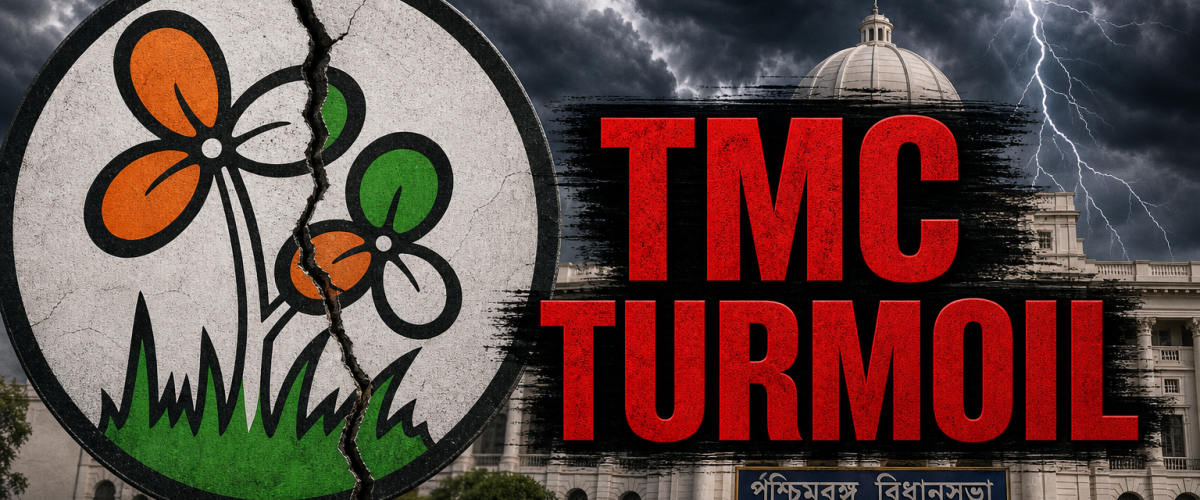
The Trinamool Congress (TMC) is facing yet another internal crisis as Jyotipriya Mallick, the former Minister of Forests in West Bengal and a long-time Mamata Banerjee loyalist, has resigned from the party’s National Working Committee, citing severe health conditions. The resignation, confirmed on Friday, comes just days after Mallick was inducted into the newly formed working committee — a body created in response to the unprecedented party rebellion earlier this year.
In his resignation letter addressed to TMC supremo Mamata Banerjee, Mallick wrote: “Respected Didi, I have been struggling with adverse health conditions for a long time. My sugar level has surpassed the 350 mark, and my kidneys are also damaged. As per my doctor’s guidelines, any mental or physical stress will make the situation worse.” The letter’s emphasis on mental and physical stress has been widely interpreted as a coded reference to internal party pressures rather than a purely medical decision.
Why This Matters for TMC
Mallick’s resignation is significant beyond the loss of a single working committee member. It represents the latest in a series of exits and internal conflicts that have shaken the TMC since the party split crisis earlier in 2026:
Timing: The resignation came just days after the working committee was reconstituted — a move that Mamata Banerjee had framed as a show of party unity and organisational renewal. A member departing so quickly after the restructuring undermines the narrative of cohesion and suggests deeper dissatisfaction within the party ranks.
Loyalist Departure: Mallick was not a peripheral figure or a recent recruit. He was a long-standing Mamata loyalist who had served as a cabinet minister and was trusted with significant party responsibilities. When loyalists leave — as opposed to rivals or dissidents — it signals systemic problems rather than factional disputes.
Health as Pretext: While Mallick’s health concerns may be genuine, the political context makes a purely medical explanation difficult to accept at face value. The TMC has been riven by factional conflicts, and the formation of the national working committee was itself a response to a rebellion that saw multiple MLAs and MPs challenge the party leadership.
The Broader TMC Crisis
The TMC’s troubles in 2026 have been unprecedented in the party’s history. The rebel faction — which orchestrated what observers described as a “split-like situation” — exposed deep divisions within the party over leadership, candidate selection, and governance priorities.
Mamata Banerjee’s response has been a combination of organisational restructuring, strategic accommodations, and disciplinary action. The national working committee was designed to bring senior leaders into a formal decision-making structure, reducing the perception that the party was run as a one-person operation. Mallick’s departure undermines this strategy.
Bengal’s Political Landscape
The TMC’s internal difficulties come at a time when the party faces external challenges on multiple fronts. The BJP continues to maintain pressure in West Bengal, using central government leverage and aggressive grassroots campaigning. The Congress and Left parties, while weakened, are exploring alliance possibilities that could present a united opposition in local body elections.
For Mamata Banerjee, the challenge is existential in a way it has never been before. The TMC’s dominance in Bengal was built on a combination of her personal charisma, organisational loyalty, and the weakness of the opposition. If internal exits continue to erode organisational loyalty while the opposition consolidates, the political calculus that has kept the TMC in power since 2011 could begin to shift.
What Happens Next
The TMC leadership is expected to respond to Mallick’s resignation in the coming days. The party’s options include accepting the resignation quietly, attempting to persuade Mallick to return, or replacing him with another senior leader. Each option carries political risks and signals different things about the party’s internal dynamics.
What is clear is that the TMC’s 2026 challenges are not over. Each departure — whether framed as health-related, ideological, or personal — chips away at the perception of party unity that is essential for electoral success in a state where political loyalty is as much a matter of survival as conviction.
Also Read
- West Bengal Governor Dissolves State Assembly After Mamata Banerjee Refuses to Resign as BJP Prepares to Form Government
- Mamata Banerjee Loses Bhabanipur Seat to Suvendu Adhikari by 15,105 Votes as BJP Ends TMC’s 15-Year Rule in West Bengal
- West Bengal Election Results 2026: BJP Storms to Historic Victory as Mamata Banerjee’s TMC Faces Shock Defeat After 15 Years in Power
- New West Bengal CM Shubhendu Adhikari Begins Reversing Mamata Banerjee’s Key Policies — BJP Government’s First Major Moves
- TMC Split: 20 Trinamool MPs Break Ranks with Mamata Banerjee, Signal Support for NDA — Party Faces Existential Crisis