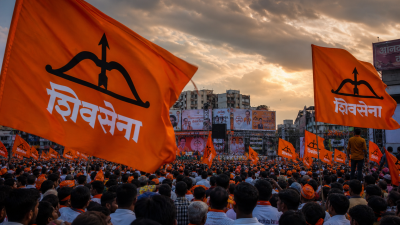
Shiv Sena UBT Crisis: ‘Operation Tiger’ — 5 Rebel MPs May Defect to Shinde Camp, Uddhav Faces 2022 Replay

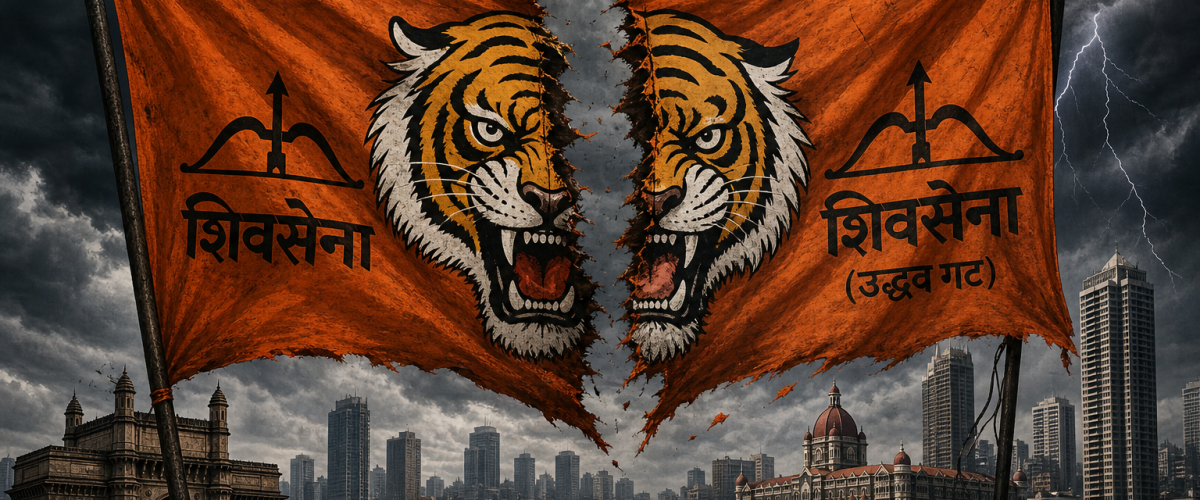
The Shiv Sena (UBT) is staring at a potential second devastating split, with reports emerging that five of the party’s nine Lok Sabha MPs are on the verge of defecting to the ruling Eknath Shinde-led Shiv Sena in a covert operation reportedly codenamed ‘Operation Tiger’. The development, coming just days after the TMC suffered a similar rebellion with 20 of its MPs merging with the NCPI, has plunged Maharashtra’s political landscape into turmoil and raised the spectre of a 2022-style replay that could fatally weaken Uddhav Thackeray’s political relevance.
The alarm bells rang when five prominent Shiv Sena (UBT) MPs — Sanjay Jadhav, Sanjay Deshmukh, Omraje Nimbalkar, Bhausaheb Wakchoure, and Nagesh Patil Ashtikar — conspicuously skipped an urgent organisational meeting called by Uddhav Thackeray at his private residence, Matoshree, in Mumbai. Their absence, described by party insiders as unprecedented and deliberate, has been interpreted as a signal that the rebel faction is coordinating its next move.
The Evidence of Rebellion
The defection fears intensified after Yavatmal-Washim MP Sanjay Deshmukh was photographed in New Delhi meeting privately with Union Minister Prataprao Jadhav, a senior leader of the rival Shinde-led Shiv Sena. The meeting, which both sides have attempted to downplay as casual, was seen as confirmation that back-channel communications between the rebel UBT MPs and the ruling faction are active and advanced.
Senior party leaders have warned that the situation is more serious than the leadership acknowledges. Sources within the party suggest that at least six MPs — the critical two-thirds threshold required to avoid disqualification under the anti-defection law — are in active communication with the Shinde camp. If six of the nine UBT Lok Sabha MPs merge with Shinde’s party, they would be legally protected from disqualification, and the UBT’s parliamentary presence would be reduced to just three members.
Party veteran Krupal Tumane, one of the nine MPs, has acknowledged that even more UBT members are in contact with the rival faction, adding to the sense of an impending political earthquake. The UBT leadership, meanwhile, has responded by issuing formal notices to the absent MPs demanding an explanation for their absence from the Matoshree meeting.
The 2022 Parallel: A Painful Déjà Vu
The current crisis carries unmistakable echoes of the June 2022 rebellion that shattered the original Shiv Sena and brought Eknath Shinde to power as Maharashtra’s Chief Minister. In that crisis, a majority of Shiv Sena MLAs defected to Shinde’s faction, toppling the Uddhav Thackeray-led Maha Vikas Aghadi government and splitting a party that had been a dominant force in Maharashtra politics for five decades.
Related: Akshay Kumar’s Daughter Nitara Targeted in Online Sextortion: Maharashtra Cyber Makes First Arrest
The parallels are striking: in 2022, as in 2026, the rebels acted in coordination, communicated through intermediaries with the BJP-led ruling establishment, and reached the two-thirds threshold necessary to shield themselves from anti-defection consequences. The psychological impact of the 2022 split — which Uddhav described as a personal betrayal — has never fully healed, and the prospect of a second rebellion from the rump party cuts even deeper.
The legal framework is well-established: under the Tenth Schedule of the Constitution, a merger of two-thirds of a party’s legislators with another party is exempt from the anti-defection law. This provision, originally designed to accommodate genuine political realignments, has increasingly been used as a tool for orchestrated defections that serve the interests of the ruling establishment.
Uddhav’s Response: Party Meeting and Damage Control
Uddhav Thackeray has responded to the crisis with a combination of outreach and firmness. The party has called an emergency organisational meeting and issued notices to the five absent MPs, demanding their attendance and an explanation. Senior leader Sanjay Raut has alleged that the defectors are being offered ₹15 crore each — a claim that, whether accurate or not, reflects the party’s strategy of framing the rebellion as a financial transaction rather than a genuine political disagreement.
Raut has also invoked the Supreme Court’s 2023 ruling in the Maharashtra political crisis case, which he argues establishes that individual legislators cannot unilaterally split from a party without the party leadership’s consent. However, the legal landscape remains contested, and the anti-defection law’s merger provision provides a potential pathway for the rebels if they secure the required two-thirds majority.
What Happens Next?
The coming days will be decisive. If the rebel MPs formalise their merger with the Shinde faction, Uddhav Thackeray’s political position will be severely weakened — potentially fatally. The UBT would be reduced to a rump party with minimal parliamentary representation, limited bargaining power, and a dwindling claim to the Shiv Sena’s legacy, vote bank, and organisational infrastructure.
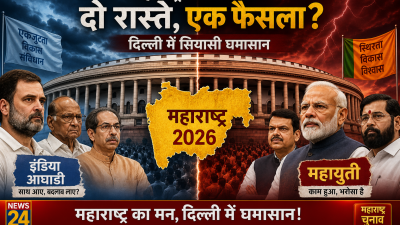
For the BJP-led NDA, a second Shiv Sena split — following the TMC rebellion — would represent a dramatic consolidation of power in Parliament, potentially giving the ruling alliance a supermajority that would alter the dynamics of Indian legislative politics for years to come. The opposition INDIA bloc, already struggling to maintain cohesion, would face an existential challenge.
Maharashtra, the state that has defined Indian political drama for decades, is once again at the centre of a story that combines personal rivalries, constitutional questions, and raw political power in equal measure.
Also Read
- TMC Crisis: 20 Rebel MPs Merge With NCPI, Seek Separate Bloc in Lok Sabha to Back NDA
- Israel Temporarily Closes Airspace After Intercepting Ballistic Missile Launched by Yemen’s Houthi Rebels
- Maharashtra’s Alphonso Mango Trade Devastated by Heatwave, El Niño and Iran War — King of Mangoes Faces Worst Season in Decades
- 13 Killed and 20 Injured as Engagement-Bound Tempo Collides With Container Truck on Mumbai Ahmedabad Highway in Palghar Maharashtra
- AIADMK on Verge of Split as 30 Rebel MLAs Led by SP Velumani Back Vijay TVK Government Ahead of Crucial Tamil Nadu Floor Test