Tamil Nadu CM Vijay Moves Resolution Against Karnataka’s Mekedatu Dam Project in Assembly

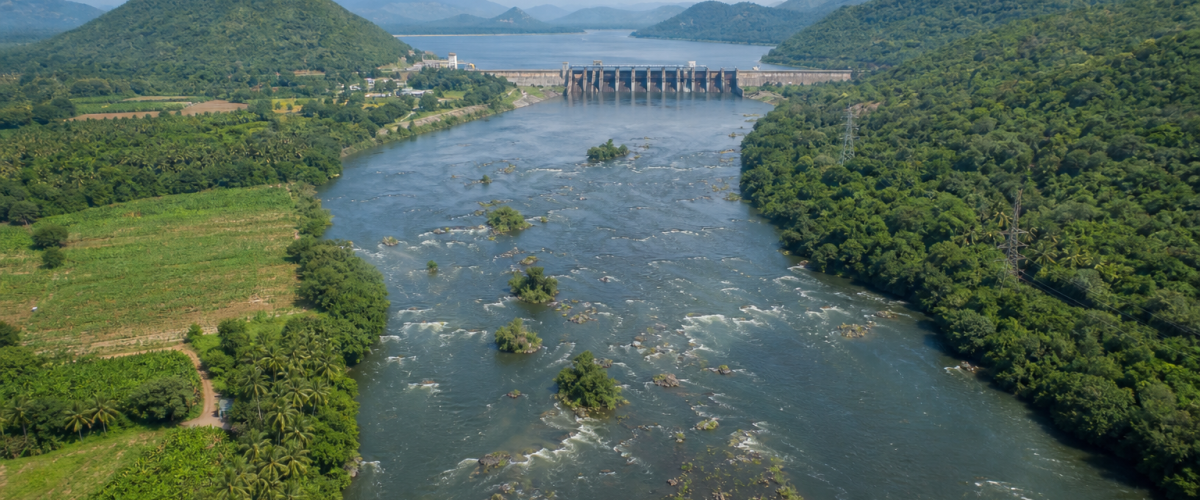
Tamil Nadu Chief Minister C. Vijay has moved a resolution in the state assembly against Karnataka’s Mekedatu dam project, escalating a decades-old inter-state water dispute that pits the water needs of two of South India’s most populous states against each other. The resolution, passed with the support of the ruling Tamilaga Vetri Kazhagam (TVK) and allied parties, urges the central government to deny clearance for the Mekedatu balancing reservoir on the Cauvery river, which Tamil Nadu argues would violate the Supreme Court’s 2018 verdict on Cauvery water sharing.
The move marks one of the most significant early actions of the Vijay government, which came to power after the TVK’s historic performance in the 2026 Tamil Nadu assembly elections. By taking on the Mekedatu issue, Vijay is signalling that his government will be an aggressive defender of Tamil Nadu’s water rights — a position that resonates deeply with the state’s agricultural community and political establishment.
What Is the Mekedatu Project?
The Mekedatu Balancing Reservoir is a proposed dam across the Cauvery river at Mekedatu, located in Karnataka’s Ramanagara district, approximately 100 kilometres from Bengaluru. The project, estimated to cost approximately ₹9,000 crore, would serve two primary purposes:
Drinking Water: The reservoir would provide drinking water to Bengaluru and surrounding areas, which face severe water stress due to rapid urbanisation and population growth.
Hydropower: The project includes a 400 MW hydroelectric power generation component that would contribute to Karnataka’s energy needs.
Karnataka has argued that the project would not reduce water flow to Tamil Nadu, as it would only store surplus water that currently flows to the sea during the monsoon season. Tamil Nadu rejects this argument, contending that there is no “surplus” water in the Cauvery system — every drop is allocated by the Supreme Court’s 2018 verdict, and any upstream storage would inevitably affect downstream availability.
The Legal and Constitutional Background
The Cauvery water dispute is one of India’s longest-running inter-state conflicts, dating back to agreements made during the British colonial period. The Supreme Court’s 2018 verdict — which followed decades of litigation — allocated specific quantities of Cauvery water to Karnataka, Tamil Nadu, Kerala, and Puducherry, and established the Cauvery Water Management Authority (CWMA) to oversee implementation.
Tamil Nadu’s position is that the Mekedatu project requires the consent of all riparian states and clearance from the CWMA — neither of which Karnataka has obtained. The state argues that any new storage structure on the Cauvery would alter the hydrological balance established by the Supreme Court’s verdict, effectively giving Karnataka the ability to control water flow in ways that could harm Tamil Nadu’s agricultural interests.
Karnataka disputes this interpretation, arguing that the project falls within its sovereign right to manage water resources within its territory, and that the balancing reservoir concept does not violate the Supreme Court’s allocation framework.
Political Dimensions
The Mekedatu issue carries enormous political weight in both states. In Tamil Nadu, defending Cauvery water rights is a fundamental political obligation — no government can afford to be seen as weak on this issue. In Karnataka, the Mekedatu project represents Bengaluru’s desperate need for drinking water and the state government’s commitment to addressing its capital city’s water crisis.
Chief Minister Vijay’s decision to move a formal assembly resolution elevates the dispute from a bureaucratic disagreement to a constitutional confrontation. Assembly resolutions carry political and moral weight, even if they lack direct legal enforceability, and the Tamil Nadu resolution puts pressure on the central government to take a position on the project.
What Happens Next
The resolution will be forwarded to the central government, which has so far avoided taking a definitive position on the project. The Centre’s options include denying environmental clearance (which would effectively kill the project), approving it with conditions, or deferring to the CWMA and the courts.
Given the political sensitivities — the BJP governs at the Centre and has interests in both Karnataka and Tamil Nadu — a quick resolution seems unlikely. The more probable outcome is continued legal and political manoeuvring, with the issue potentially returning to the Supreme Court for clarification on whether the Mekedatu project is consistent with the 2018 verdict.
For the farmers and communities along the Cauvery in both states, the dispute is not abstract politics — it is about livelihoods, food security, and the future of one of South India’s most critical river systems.
Also Read
- JCD Prabhakar Elected Unopposed as Tamil Nadu Assembly Speaker as Vijay TVK Government Takes Shape With Key Legislative Appointments
- Tamil Nadu and West Bengal Assembly Elections 2026: Record Voter Turnout, TVK’s Vijay Factor, and the Battles That Will Shape Indian Politics
- AIADMK on Verge of Split as 30 Rebel MLAs Led by SP Velumani Back Vijay TVK Government Ahead of Crucial Tamil Nadu Floor Test
- DMK and AIADMK Explore Historic Alliance to Block Vijay’s TVK From Forming Government in Tamil Nadu
- Actor Vijay Set to Take Oath as Tamil Nadu Chief Minister on May 7 as Congress Formally Backs TVK With Five Seats