Kerala CM Pinarayi Vijayan Urges Covid-Like Self-Lockdown Between 11 AM and 3 PM as Heatwave Crosses 40 Degrees Across Multiple Districts

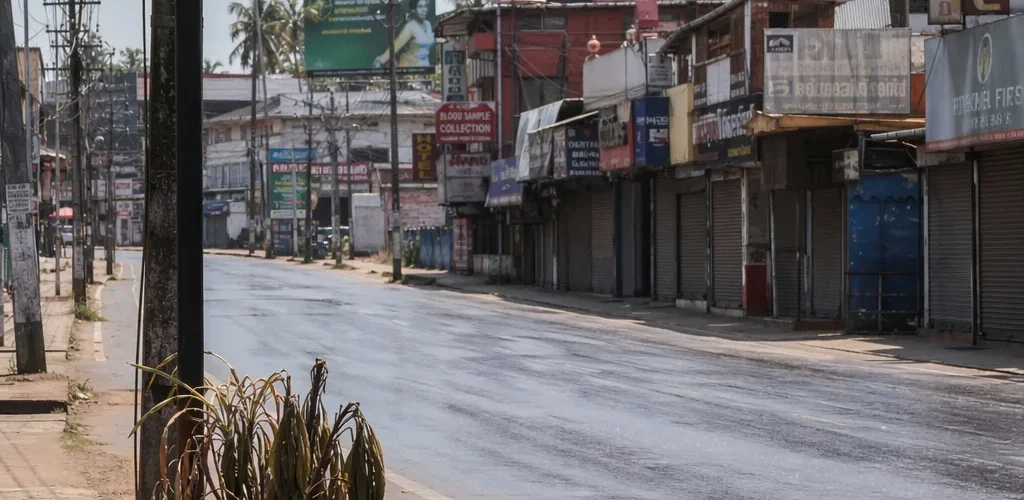
In an unprecedented move that evoked memories of the Covid-19 pandemic, Kerala Chief Minister Pinarayi Vijayan on April 24, 2026, urged residents across the state to observe a voluntary “self-lockdown” between 11 AM and 3 PM as Kerala battles one of the most intense heatwaves in its recorded history. The appeal comes after the India Meteorological Department (IMD) issued heatwave warnings for multiple districts including Palakkad, Kollam, and Thrissur, where temperatures have crossed the 40-degree Celsius mark — an extraordinary figure for a state historically known for its moderate tropical climate. The state government has simultaneously banned outdoor public gatherings, adjusted work timings, and placed hospitals on high alert as health officials report a surge in heat-related illnesses.
The Chief Minister’s Detailed Advisory: Stay Indoors, Save Lives
In a televised address and detailed government advisory released on April 24, Vijayan warned that prolonged exposure to extreme heat can lead to serious health complications, including dehydration, heat exhaustion, sunstroke, and death. He urged all residents to avoid unnecessary travel or outdoor work during the peak afternoon hours.
“If you feel symptoms of heatstroke — dizziness, nausea, rapid heartbeat, confusion, or cessation of sweating — seek medical help immediately. Help others in distress by moving them to shade and cooling them with water,” the Chief Minister said, adding that “Kerala can overcome this crisis through coordinated public effort, just as we did during the pandemic.”
The comparison to Covid-19 was deliberate and striking. During the pandemic, Kerala was widely praised for its community-based response model, which relied on voluntary compliance, local government coordination, and proactive health infrastructure deployment. The state government appears to be deploying the same playbook against extreme heat.
Government Restrictions and Measures in Place
Beyond the voluntary self-lockdown appeal, the Kerala government has implemented several mandatory and advisory measures:
Outdoor events banned: All outdoor events, sports activities, parades, and fireworks have been prohibited during the 11 AM to 3 PM window. This includes school sports days, temple festivals, and commercial outdoor gatherings.
Work timings adjusted: State departments have been directed to modify work schedules, particularly for outdoor labour. Daytime employment guarantee work under MGNREGA has been suspended until further notice. Construction companies and agricultural operations have been advised to shift heavy outdoor work to early morning or late afternoon hours.
Worker protections: Special arrangements are being made to ensure drinking water availability, shade structures, and relief measures for outdoor workers, including traffic police personnel, sanitation workers, and delivery executives.
Healthcare mobilisation: Hospitals, primary health centres, and ambulance services have been placed on heightened alert. Additional stocks of ORS packets, IV fluids, and cooling equipment have been distributed to district hospitals. Special heat illness treatment protocols have been activated at all government medical facilities.
Fire risk warnings: Authorities have warned of increased fire risks amid the extreme dry conditions, with forest departments deploying additional fire watch teams in vulnerable areas across the Western Ghats.
IMD Heatwave Alert: Where Temperatures Are Highest
The India Meteorological Department’s alerts paint a concerning picture for Kerala, a state that typically enjoys temperatures between 28 and 35 degrees Celsius during summer:
Palakkad: The worst-hit district has recorded temperatures exceeding 41°C, driven by its geographical position as a gap in the Western Ghats that allows hot air from Tamil Nadu and Karnataka to funnel through. Palakkad has historically been Kerala’s hottest district, but current readings are 3 to 4 degrees above the seasonal norm.
Thrissur: Temperatures have crossed 40°C in the cultural capital of Kerala, affecting the region’s numerous temple festivals and cultural events that are typically held during the April-May season.
Kollam: Coastal Kollam recording temperatures above 40°C is particularly alarming, as the sea breeze that usually moderates coastal temperatures appears to have weakened this season.
The IMD has also issued yellow and orange alerts for Ernakulam, Alappuzha, and Malappuram districts, warning that temperatures could touch 39 to 40 degrees in the coming days. The broader heatwave pattern affecting north and central India is now clearly extending its reach into traditionally temperate southern states.
Kerala’s Heatwave Is Part of a National Emergency
Kerala’s distress is part of a nationwide heatwave that has gripped India since mid-April 2026. Delhi, Rajasthan, and Madhya Pradesh have recorded temperatures exceeding 43°C, while states including Maharashtra (particularly Vidarbha), Odisha, and Chhattisgarh have been under sustained heatwave conditions for over a week.
What makes Kerala’s situation noteworthy is that the state is not traditionally associated with heatwave conditions. Kerala’s lush tropical climate, high humidity, and proximity to the Arabian Sea have historically kept temperatures within manageable limits. The fact that Vijayan felt compelled to invoke pandemic-era language to describe the situation reflects both the severity of the current heatwave and growing concern about climate change impacts on regions previously considered resilient.
Climate scientists have linked the intensity of India’s 2026 heatwave season to a combination of factors including residual El Niño effects, delayed monsoon onset patterns, urban heat island effects in rapidly growing cities, and the broader trend of global warming driving more frequent and intense extreme heat events across South Asia.
Health Impact: Rising Cases of Heatstroke and Dehydration
Kerala’s health department has reported a significant increase in heat-related hospital admissions since mid-April. While official state-wide figures are still being compiled, district-level reports indicate:
Palakkad District Hospital has treated more than 200 cases of heat-related illness in the past week alone, including 15 cases of severe heatstroke requiring ICU admission. Thrissur Medical College has similarly reported a surge in emergency department visits related to dehydration and heat exhaustion, particularly among elderly patients and outdoor workers.
Health experts are especially concerned about vulnerable populations — the elderly, young children, pregnant women, and those with pre-existing cardiovascular or respiratory conditions. Kerala’s ageing population (the state has one of India’s highest proportions of residents over 60) makes it particularly susceptible to heat-related mortality.
The state’s relatively advanced healthcare infrastructure and high literacy rate are expected to aid the response, as public health messaging can reach a larger proportion of the population through digital and traditional media channels.
Economic and Social Impact
The heatwave and associated restrictions are having tangible economic consequences. Kerala’s tourism sector, which had a record-breaking year in 2025 with 2.58 crore visitors, is seeing cancellations and reduced footfall at outdoor attractions during the peak afternoon hours. Temple festivals, which drive significant economic activity in districts like Thrissur and Palakkad during April and May, face disruption from the ban on outdoor events.
Agricultural operations — particularly rubber tapping, coconut harvesting, and spice cultivation — have been severely affected. Farm workers’ unions have called for heat compensation allowances, arguing that the current minimum wage structure does not account for the health risks of working in extreme temperatures.
Looking Ahead: Relief Expected With Pre-Monsoon Showers
The IMD forecasts that some relief may arrive with pre-monsoon showers expected in the first week of May, though the full southwest monsoon is not expected to reach Kerala until early June. Until then, the state must manage what is increasingly being described as a public health emergency driven by climate change.
Kerala’s self-lockdown advisory — voluntary though it may be — sends a powerful signal about the seriousness of extreme heat as a public health threat. As India’s climate continues to warm, the measures adopted by Kerala in April 2026 may well become the template for how Indian states manage the increasingly dangerous summer months in the years ahead.