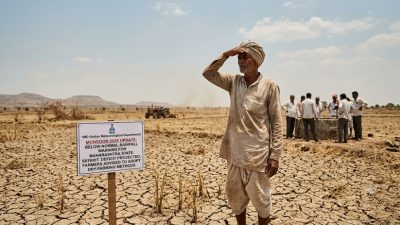
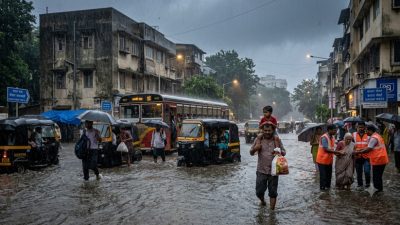
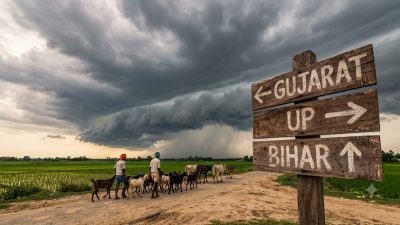
Southwest Monsoon 2026 May Be India’s Weakest in 11 Years — IMD Issues Heavy Rain Alerts Across 8 States

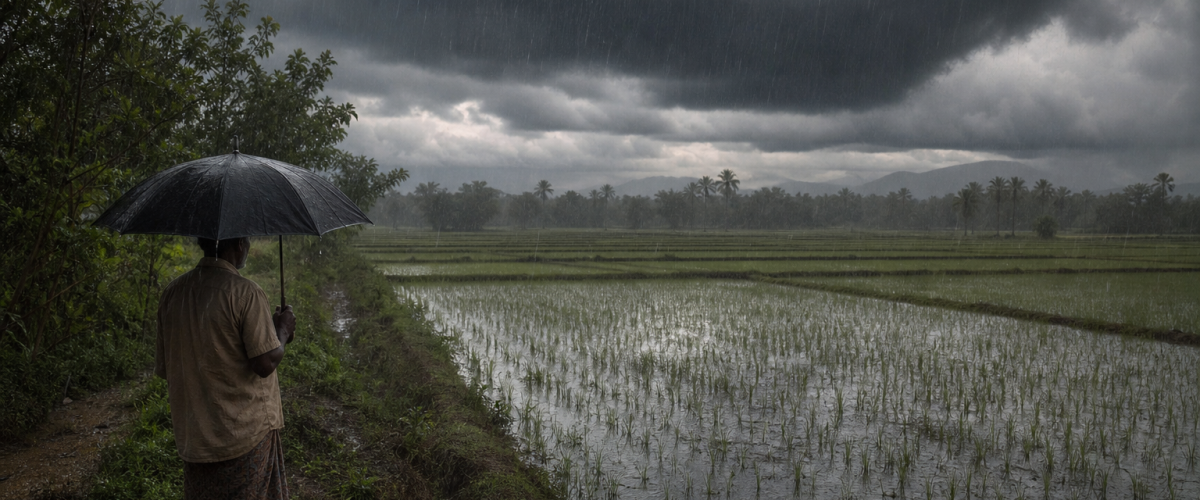
The 2026 Southwest Monsoon may turn out to be India’s weakest in over a decade, meteorologists are warning, even as the India Meteorological Department (IMD) issues red and orange alerts for heavy rainfall across multiple states. The monsoon, which arrived in Kerala on June 4 and has been advancing steadily northward, presents a paradoxical picture: intense localised rainfall in some regions coexisting with an overall trajectory that points toward below-normal seasonal totals — a pattern that could have significant consequences for agriculture, water resources, and the broader economy.
As of June 15, the monsoon has advanced into remaining parts of Andhra Pradesh, West Bengal, and some areas of Telangana, Odisha, Jharkhand, and Bihar, according to the IMD’s latest press release. The northern limit now covers most of peninsular and eastern India, with further advancement into central India expected within the coming week. However, the overall pace of advancement and the quantum of rainfall have raised concerns among forecasters.
Below Normal Forecast: The El Niño Factor
Long-range forecasting models, including those used by the IMD and international agencies, are indicating that India may receive below-normal rainfall during the June-September monsoon season. The primary driver of this pessimistic outlook is the evolving state of the El Niño-Southern Oscillation (ENSO), which some models suggest could tilt toward El Niño conditions during the peak monsoon months of July and August.
El Niño events — characterised by abnormal warming of sea surface temperatures in the central and eastern Pacific Ocean — have historically been associated with suppressed monsoon rainfall in India. Some of India’s worst droughts, including those in 2009 and 2015, occurred during El Niño years. While the current ENSO state is still evolving and considerable uncertainty remains, the risk of below-normal rainfall is higher than it has been in recent years.
The IMD’s current seasonal forecast projects overall monsoon rainfall to be below normal, a departure from recent years that have generally seen normal to above-normal precipitation. If realised, this would be the weakest monsoon season since 2015, with potentially significant implications for the kharif cropping season and India’s food security.
State-Wise Rainfall Situation
Despite the concerning long-range outlook, several states are currently experiencing heavy to very heavy rainfall:
Kerala: The monsoon’s earliest landfall state continues to receive intense rainfall, with red alerts active for Idukki, Wayanad, and Malappuram districts. Landslide warnings remain in effect for Western Ghats regions, where saturated soil and steep terrain create dangerous conditions during sustained heavy rain.
Karnataka: Coastal districts including Dakshina Kannada and Udupi have recorded over 100mm rainfall in 24-hour periods. The Cauvery and Krishna river basins are being monitored for rising water levels.
Northeast India: Assam and Meghalaya continue to bear the brunt of monsoon rainfall, with several rivers running above danger levels. The Brahmaputra, India’s most flood-prone major river, is being closely watched after early-season swelling that has already displaced thousands in low-lying areas.
Maharashtra and Mumbai: The financial capital is bracing for the monsoon’s arrival, expected within days. Pre-monsoon showers have tested the city’s drainage infrastructure, and civic authorities have activated monsoon preparedness plans.
Agricultural Implications: Kharif at Risk
A below-normal monsoon poses direct risks to India’s kharif cropping season, which depends on monsoon rainfall for sowing, germination, and the early growth stages of crops including rice, cotton, soybean, pulses, and coarse cereals. Agricultural economists estimate that each 10 percent shortfall in monsoon rainfall reduces kharif output by approximately 4-5 percent, with cascading effects on rural incomes, food prices, and consumer inflation.
The timing of rainfall deficits matters critically. A dry June can delay sowing, reducing the growing season and potentially lowering yields even if subsequent months bring adequate rain. Current data shows that June rainfall across most of India is tracking below the long-period average, creating anxiety among farmers who are in the midst of sowing operations.
Economic and Policy Implications
For India’s policymakers, the monsoon outlook adds a complicating factor to an already complex economic environment. The Reserve Bank of India, which has been easing monetary policy to support growth, may face constraints if monsoon-related food price pressures push inflation higher. India’s wholesale price inflation already stands at 9.68 percent — a level that reflects supply-side pressures including elevated food costs.
The government’s food management strategy, including buffer stock management, minimum support prices, and the public distribution system, will face a test if the monsoon deficit materialises. Water reservoir levels, hydroelectric power generation, and groundwater recharge — all dependent on monsoon rainfall — could also be affected, with implications that extend well beyond the agricultural sector.
As India watches the skies with a mixture of hope and anxiety, the 2026 monsoon is emerging as a critical variable in the country’s economic and social trajectory. The rains have come — but whether they will be enough remains the season’s defining question.
Also Read
- Super El Nino 2026 Threatens India Southwest Monsoon as IMD Forecasts Below-Normal Rainfall and Drought Risk Looms Over 60 Percent Farmers
- India’s Monsoon 2026 Forecast Drops to 90% of Normal — El Niño Threatens Agriculture and Economy as IMD Issues Below-Normal Warning
- Southwest Monsoon 2026 Advances Rapidly — IMD Predicts Heavy Rain Across Southern and Central India
- Southwest Monsoon Advances Into West Bengal and Bihar — IMD Issues Wet Spell Warning for Northwest India
- Southwest Monsoon Reaches Bihar — Lightning Kills 5 in Khagaria as IMD Predicts Rapid Advance Across Eastern India