Monsoon Marches On: IMD Says Southwest Monsoon to Cover Maharashtra, Bihar by June 23

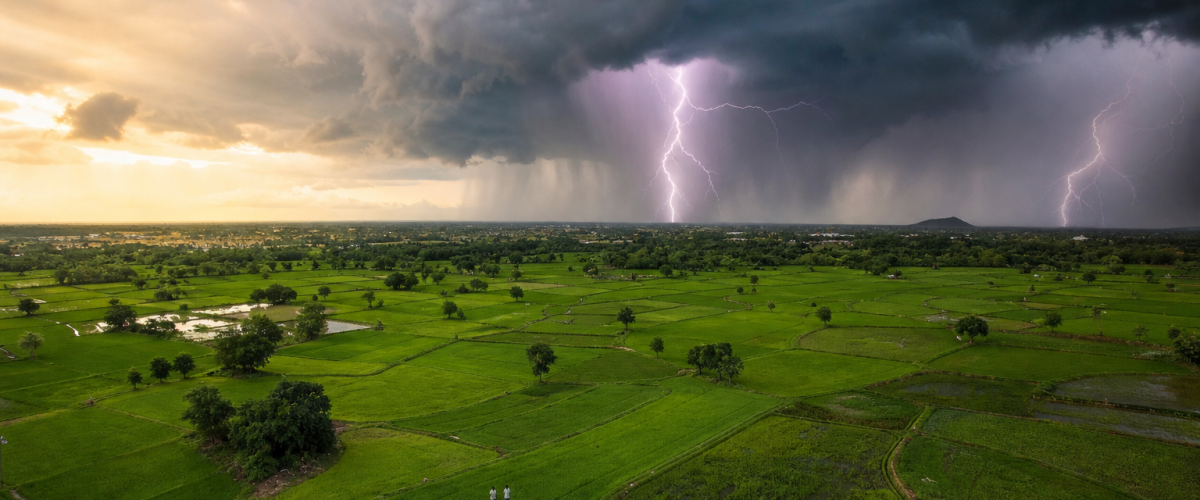
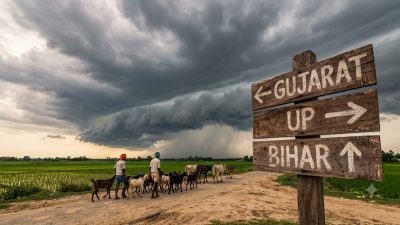
The India Meteorological Department (IMD) has issued its latest update confirming that the southwest monsoon is set to advance into Maharashtra, Telangana, Odisha, Jharkhand, Bihar, and parts of Chhattisgarh by approximately June 23 — bringing much-needed rainfall to some of India’s most critical agricultural and urban regions. The forecast, released on June 19, indicates that the monsoon’s progress is broadly on track, with conditions becoming increasingly favourable for a rapid northward advance in the coming days.
The monsoon’s advance into these regions will be particularly significant for Mumbai, which typically receives its first major monsoon downpour in the third week of June. The arrival of sustained monsoon rainfall in India’s financial capital traditionally marks the point at which the rainy season is considered to have “truly begun” across central and western India.
Current Status of the Monsoon
Since its onset over Kerala on June 4, the southwest monsoon has progressed through the southern peninsula and into parts of central India:
Covered Regions: As of June 20, the monsoon has covered Kerala, Karnataka, Goa, Tamil Nadu, Andhra Pradesh, the southern portions of Maharashtra, and the northeastern states. The Arabian Sea and Bay of Bengal branches of the monsoon are both active, with moisture-laden winds pushing rainfall across a widening geographical area.
Rainfall Performance: The cumulative rainfall since the monsoon’s onset has been above normal across most of the southern peninsula. The Western Ghats, in particular, have received significant precipitation, with several stations recording season-todate totals well above the long-period average.
Northeast India: The monsoon’s Bay of Bengal branch has brought widespread rainfall to Assam, Meghalaya, Arunachal Pradesh, and the other northeastern states. Cherrapunji and Mawsynram — two of the world’s wettest places — have recorded substantial rainfall, consistent with the monsoon’s typical early-season pattern in the region.
What the IMD Forecast Means
The IMD’s projection that the monsoon will cover Maharashtra, Telangana, Odisha, Jharkhand, Bihar, and Chhattisgarh by June 23 has several important implications:
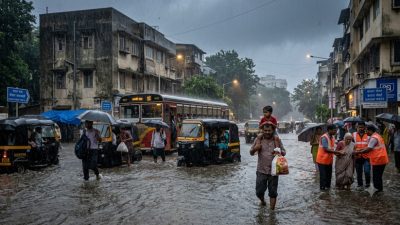
Mumbai’s Monsoon: Mumbai’s monsoon arrival is imminent. The city’s infrastructure — particularly its drainage and flood management systems — will face their annual stress test as heavy rainfall begins. The Brihanmumbai Municipal Corporation (BMC) has reportedly completed pre-monsoon drainage cleaning and flood preparedness measures, though the adequacy of these preparations is perennially questioned.
Kharif Sowing: The monsoon’s advance into Maharashtra, Telangana, and central India will enable full-scale kharif sowing operations. Soybean, cotton, rice, and pulses are the key crops that depend on timely monsoon rainfall for germination and early growth. Early sowing data suggests farmers are prepared, with seed and fertiliser availability reported as adequate.
Reservoir Levels: Major reservoirs in Maharashtra (including those supplying Mumbai’s water needs), Telangana, and Odisha will begin filling as monsoon rainfall intensifies. Current storage levels are below the 10-year average, making the next few weeks critical for water security through the post-monsoon months.
Risks and Watchpoints
While the monsoon’s overall progress is encouraging, several risks warrant monitoring:
Flood Risk: The transition from dry to heavy monsoon conditions in urban areas — particularly Mumbai, Pune, and Hyderabad — always carries flood risk. The first major rainfall events of the season often catch cities unprepared, despite advance planning.
Distribution Unevenness: A good aggregate rainfall figure can mask significant regional variations. The IMD’s forecast of above-normal rainfall does not guarantee uniform distribution — some areas may receive excess rain while others experience deficiency.
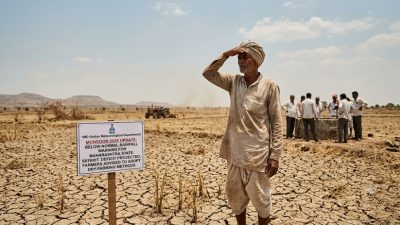
Northwest Delay: The monsoon has not yet reached the critical agricultural belt of Punjab, Haryana, Rajasthan, and Uttar Pradesh. A delay in the monsoon’s advance to these regions — which produce a significant proportion of India’s food grains — could affect kharif sowing schedules and crop output.
The southwest monsoon is India’s most important climatic event. Its progress over the next two to three weeks — from its current position in southern India to full coverage of the subcontinent — will determine the trajectory of the kharif agricultural season, water resource availability, and the rural economy that supports hundreds of millions of Indian livelihoods.
Also Read
- Southwest Monsoon Advances Rapidly: IMD Forecasts Above-Normal Rainfall for Most of India in Coming Weeks
- India’s Monsoon 2026 Forecast Drops to 90% of Normal — El Niño Threatens Agriculture and Economy as IMD Issues Below-Normal Warning
- Super El Nino 2026 Threatens India Southwest Monsoon as IMD Forecasts Below-Normal Rainfall and Drought Risk Looms Over 60 Percent Farmers
- Southwest Monsoon Advances Into West Bengal and Bihar — IMD Issues Wet Spell Warning for Northwest India
- Southwest Monsoon Reaches Bihar — Lightning Kills 5 in Khagaria as IMD Predicts Rapid Advance Across Eastern India