India Summer Travel 2026 Record Domestic Bookings as Iran-US War Disrupts International Tourism Flight Routes

India’s Summer Travel Season 2026 Sees Record Domestic Bookings as Iran-US War Disrupts International Tourism and Reshapes Outbound Flight Routes
India’s travel and tourism industry is experiencing a paradox in April 2026: domestic tourism is surging to record levels as travellers capitalise on newly opened destinations and improved infrastructure, while international tourism is reeling from the Iran-US military conflict that has disrupted Gulf-linked flight routes, pushed up aviation fuel costs and caused a sharp drop in overseas visitor arrivals during what is traditionally the peak March-April travel window.
Domestic Tourism Hits Record Numbers
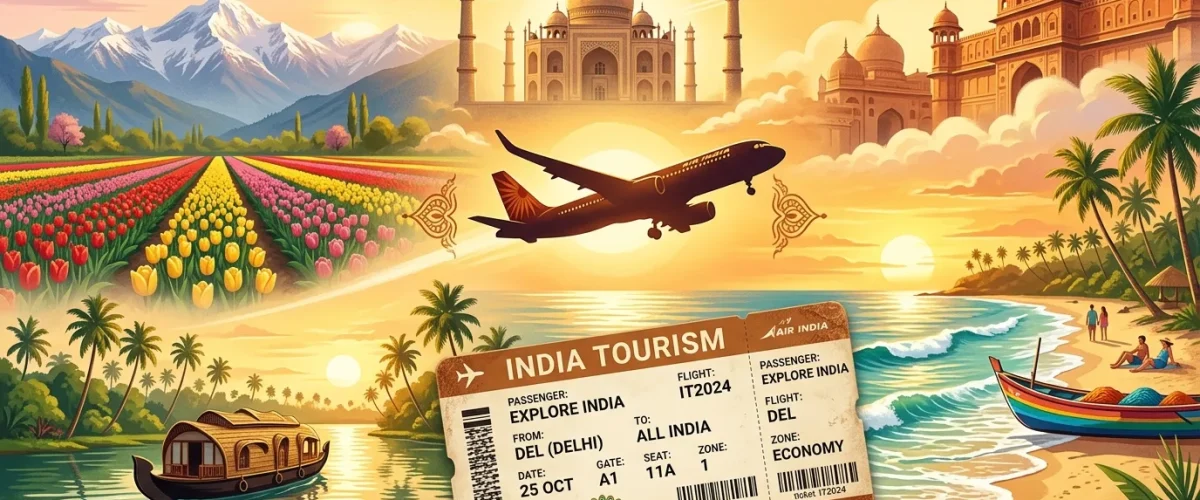
Google Trends data and real-time booking patterns reveal that Indian travellers are acting with unprecedented urgency to secure trips to destinations with short, defined seasonal windows. Spiti Valley, which just opened for the 2026 season, leads search trends along with Kashmir, where the tulip season is at its peak. Sikkim’s rhododendron blooms, Coorg’s coffee estate experiences and the Andaman Islands’ pre-monsoon window are also driving strong demand.
Infrastructure upgrades continue to unlock new destinations and improve accessibility to existing ones. New airports, upgraded expressways and expanded rail connectivity have made previously remote destinations reachable within manageable travel times. The combination of seasonal urgency and improved access has created a domestic travel market that is both larger and more geographically diverse than in any previous year.
Goa remains a perennial favourite, with early monsoon discounts starting to attract budget-conscious travellers. The state’s positioning as both a beach destination and a cultural experience hub, combined with direct connectivity from most major Indian cities, ensures its place at the top of travel lists year after year.
Iran-US Conflict Devastates International Tourism
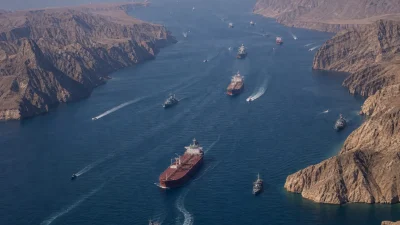
The geopolitical crisis in the Gulf region has dealt a severe blow to India’s international tourism sector. The Strait of Hormuz closure and ongoing military operations have disrupted some of the busiest airline routes connecting India to Europe, the Middle East and beyond. Airlines have been forced to reroute or cancel Gulf-linked flights, adding hours to journey times and increasing operating costs.
Sarovar Hotels reported a 10 to 12 per cent decline in international bookings compared to the same period last year, with cancellations surging during the peak March-April season. Gateway cities including Delhi, Mumbai, Bengaluru and Hyderabad have seen fewer foreign tourist inquiries and rescheduled trips as the security situation remains uncertain.
Oil prices hovering near $100 per barrel have added significant pressure on travel costs. Aviation turbine fuel, which represents one of the largest cost components for airlines, has spiked alongside crude prices. This has led to higher airfares on both domestic and international routes, though the impact has been more pronounced on long-haul international flights that consume more fuel. The broader economic implications of sustained high oil prices are dampening consumer confidence in discretionary spending categories, including travel.
Airlines Adapt Routes and Strategies
Indian carriers have responded to the Gulf disruption with a combination of route adjustments and capacity redeployment. Airlines that previously operated significant Middle East hub connectivity have diverted capacity to direct routes between India and European destinations, though the longer flight times increase fuel consumption and reduce profitability per seat.
Domestic capacity, meanwhile, has expanded as carriers recognise the opportunity in the surging domestic market. IndiGo, SpiceJet and Air India have all added frequencies on popular leisure routes, while new regional airports have enabled direct service to destinations that previously required connections through metro hubs.
Outbound Travel Shifts to Southeast Asia and East Asia
Indian outbound tourists, deterred from Middle Eastern and European destinations by the Gulf conflict, are increasingly redirecting their international travel budgets toward Southeast Asia and East Asia. Thailand, Bali, Vietnam, Singapore and Japan have all reported increased inquiries from Indian travellers seeking alternatives to Gulf-connected routes.
The visa-on-arrival facilities offered by several Southeast Asian countries, combined with direct flights from multiple Indian cities and favourable exchange rates, make these destinations particularly attractive substitutes. Travel agents report that bookings to Southeast Asian destinations are up 25 to 35 per cent year on year among Indian travellers, partially offsetting the decline in Middle East and Europe-bound traffic.
Heatwave Concerns and Summer Travel Safety
The Indian Meteorological Department’s early heatwave warnings for southern and central India have added another dimension to summer travel planning. Destinations in the Himalayan belt, including Himachal Pradesh, Uttarakhand and Kashmir, are benefiting as travellers seek cooler alternatives to plains destinations. Hill station bookings are up significantly, with some popular properties reporting sold-out positions through May.
Health considerations are also influencing travel choices. Following the FSSAI guidelines on summer nutrition and heat safety, travellers are factoring climate conditions into their destination planning more carefully than in previous years.
Outlook: Resilient Industry Adapting to New Realities
Despite the challenges posed by the Gulf conflict, India’s tourism industry is demonstrating remarkable resilience. The domestic market’s strength provides a substantial buffer against international headwinds, while the shift in outbound travel preferences toward Southeast Asia opens new market opportunities for Indian tour operators and airlines.
Industry analysts project that once the geopolitical situation stabilises, pent-up demand for international travel will drive a sharp recovery in overseas bookings. Until then, the focus remains on maximising the domestic opportunity, adapting to changing environmental conditions, and building the infrastructure and service quality that will position India as both a premier inbound and outbound travel market for years to come.

- Indian Army Gets New Chief as General Dwivedi Hands Over Command Amid Push for Indigenous Defence Tech - July 1, 2026
- Ayodhya Ram Temple Donation Scandal Deepens as Trustees Resign and SIT Arrests Eight - June 29, 2026
- Bengal Seven Weeks On: Modi’s Historic Win and the Questions That Won’t Go Away - June 28, 2026