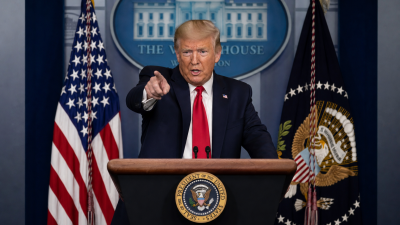
US and Iran Launch Fresh Airstrikes as War Enters Fourth Month — Trump Blames Tehran for Downing American Helicopter

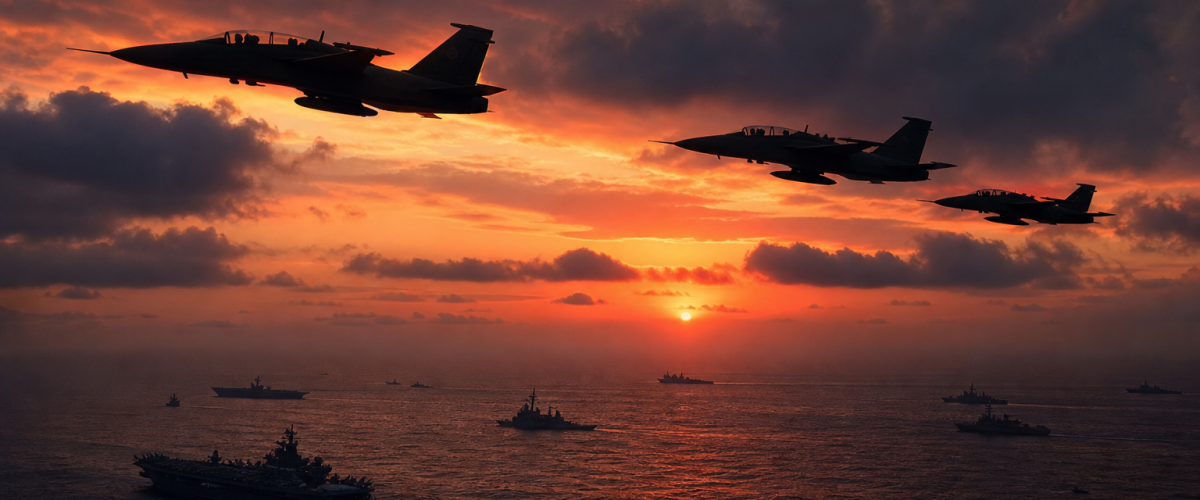
The US-Iran conflict escalated further on June 10, 2026, as both nations launched fresh rounds of airstrikes, marking one of the most intense exchanges since the war began on February 28. President Donald Trump publicly blamed Tehran for the downing of an American military helicopter in the Persian Gulf region, calling it “an act of deliberate aggression that will be answered with overwhelming force.”
The Pentagon confirmed that a US Black Hawk helicopter was shot down near the Strait of Hormuz, resulting in the deaths of four American service members. Iran’s Islamic Revolutionary Guard Corps (IRGC) denied responsibility, calling the incident “a malfunction being weaponised for propaganda purposes.” However, satellite imagery analysed by independent defence researchers appeared to show an Iranian surface-to-air missile system activated in the area moments before the helicopter went down.
Timeline of a Conflict That Has Reshaped the World
The war, which began with surprise US-Israeli airstrikes on Iranian military and government sites on February 28, has now entered its fourth month with no ceasefire in sight. The initial strikes, launched under Operation Epic Fury, targeted military bases, government buildings, and — controversially — sites near schools and hospitals, resulting in significant civilian casualties.
Iran retaliated with hundreds of drones and ballistic missiles targeting Israel, US military bases across the Middle East, and neighbouring Arab countries including Bahrain, Jordan, Kuwait, Oman, Qatar, Saudi Arabia, and the United Arab Emirates. The conflict has drawn in regional actors and disrupted global energy markets, with Iran’s effective blockade of the Strait of Hormuz sending crude oil prices soaring.
The Trump administration has offered varying justifications for starting the war — from forestalling Iranian retaliation after an expected Israeli attack, to destroying Iran’s missile capabilities, preventing nuclear weapons development, seizing oil resources, and achieving regime change.
India Caught in the Crossfire
The conflict has had severe consequences for India, which was heavily dependent on Iranian and Gulf oil. The Indian rupee has crashed to 94.90 against the US dollar, and fuel prices have risen sharply. The Indian Embassy in Tehran issued an urgent advisory last week asking all Indian citizens to “leave Iran immediately,” and evacuation flights have been arranged through Oman and the UAE.
India’s diplomatic position has been delicate. While maintaining a broadly neutral stance, New Delhi has faced pressure from both Washington — which wants India to buy more American and Venezuelan oil — and from its own domestic needs, which require stable, affordable energy supplies. The disruption to Gulf shipping routes has also affected Indian exports and imports worth billions of dollars.
Global Economic Fallout
The economic impact of the war continues to ripple across the globe. Crude oil prices, which briefly touched $130 per barrel in March, have stabilised somewhat at around $95–105 but remain elevated. Aviation turbine fuel prices in India have risen by 10%, prompting the government to introduce a price stabilisation scheme for airlines at Rs 115 per litre.
Global stock markets have been volatile, with defence stocks surging while energy-dependent sectors have struggled. The US Federal Reserve faces a dilemma — with inflation driven by oil prices, there is pressure to hike rates, but the war’s economic disruption argues for caution.
Calls for Peace Grow Louder
The United Nations Security Council has held multiple emergency sessions, but consensus has remained elusive due to vetoes from the United States and, on occasion, Russia and China. UN Secretary-General António Guterres has repeatedly called for an immediate ceasefire, describing the conflict as “a catastrophe that is destroying lives, destabilising regions, and threatening the global economy.”
Several nations, including India, Brazil, and South Africa, have offered to mediate. However, with both the US and Iran escalating military operations, diplomatic solutions appear distant. The humanitarian toll continues to mount, with the UN estimating that over 15,000 civilians have been killed in Iran since the conflict began.
Also Read
- Indian Rupee Crashes 139 Paise to 94.90 Against US Dollar as Crude Oil Surges and Trump Rejects Iran Ceasefire Proposal
- Trump Pushes to Suspend Federal Gas Tax as Iran War Enters 11th Week and US Fuel Prices Hit Four-Year Highs Amid Strait of Hormuz Disruption
- Iran Fires Missiles at Israel After IDF Strikes on Beirut — April Ceasefire Shattered as Middle East Tensions Escalate
- Aviation Fuel Prices Rise 10% in India
- RBI Holds Repo Rate at 5.25%
As the war enters its fourth month, the world watches with growing anxiety. The downing of the American helicopter and Trump’s fiery response suggest that the conflict is more likely to intensify than de-escalate in the near term.

- Indian Army Gets New Chief as General Dwivedi Hands Over Command Amid Push for Indigenous Defence Tech - July 1, 2026
- Ayodhya Ram Temple Donation Scandal Deepens as Trustees Resign and SIT Arrests Eight - June 29, 2026
- Bengal Seven Weeks On: Modi’s Historic Win and the Questions That Won’t Go Away - June 28, 2026