Iran Fires Missiles at Israel After IDF Strikes on Beirut — April Ceasefire Shattered as Middle East Tensions Escalate

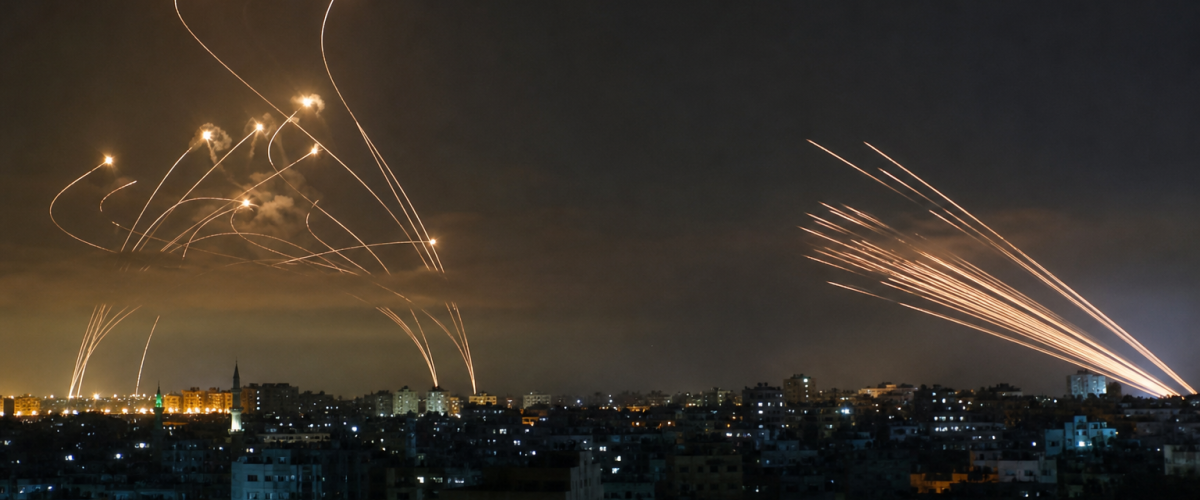
In a dramatic escalation that has sent shockwaves across the globe, Iran launched a barrage of ballistic missiles at Israel on Sunday night, June 7, 2026, marking the first direct strike since the fragile April ceasefire brought a temporary halt to hostilities between the two nations. The attack came in direct retaliation for Israeli airstrikes on Beirut’s southern suburbs, which Tehran condemned as a flagrant violation of the US-brokered truce.
Air raid sirens echoed across Israel late Sunday evening as the Iron Dome and Arrow missile defense systems scrambled to intercept the incoming projectiles. The Israel Defense Forces (IDF) confirmed that multiple missiles were fired from Iranian territory, though initial assessments indicated no immediate casualties or significant structural damage. However, the psychological impact on Israeli civilians, many of whom had only recently begun to return to normalcy after months of conflict, was profound.
A Ceasefire in Tatters
The April 2026 ceasefire, brokered after 40 days of intense hostilities that began on February 28, was always considered fragile by regional analysts. During those 40 days, Iran had launched approximately 650 missiles at Israel, many carrying cluster munitions — a practice banned under international law by more than 100 nations, though neither Iran, Israel, nor the United States are signatories to the Convention on Cluster Munitions.
The attacks during the initial phase of the conflict killed 24 Israeli civilians and injured more than 7,000 people. The ceasefire, while imperfect, had provided a crucial window of de-escalation that allowed diplomatic channels to function, humanitarian aid to flow, and reconstruction efforts to begin.
That fragile peace was shattered when the Israeli military conducted airstrikes targeting what it described as “strategic military installations” in Beirut’s southern suburbs on June 7. The strikes, which Lebanon’s government condemned as an act of aggression, killed at least three people and wounded dozens more.
Iran’s Swift Response
Tehran’s response was swift and unequivocal. Within hours of the Beirut strikes, Iran’s Islamic Revolutionary Guard Corps (IRGC) announced the launch of “Operation Honest Promise III,” firing ballistic missiles at multiple targets within Israel. Iranian officials stated that the strikes were “proportionate and defensive” in nature, aimed at deterring further Israeli aggression against Lebanon and the broader region.
“The Zionist regime must understand that any attack on our allies will be met with an immediate and decisive response,” said an IRGC spokesperson in a televised address. “We warned that the ceasefire must be respected by all parties. Israel chose escalation, and it must bear the consequences.”
The Israeli government, led by Prime Minister Benjamin Netanyahu, responded with a strong statement vowing retaliation. “Iran has made a grave miscalculation. Israel will defend itself with full force against any aggression,” Netanyahu said in an emergency address to the nation.
Israel Retaliates — Strikes on Iranian Territory
True to its word, Israel carried out airstrikes against military targets in western and central Iran on June 8, just hours after the Iranian missile barrage. The IDF confirmed hitting “military infrastructure and weapons storage facilities,” though the full extent of the damage remains unclear. Iran’s state media reported limited damage and no casualties from the strikes, though independent verification has been difficult to obtain.
The tit-for-tat escalation has raised alarm among world leaders and international organisations. United Nations Secretary-General António Guterres called for “immediate restraint from all parties” and urged a return to diplomatic negotiations. The UN Security Council convened an emergency session to discuss the deteriorating situation.
Global Diplomatic Scramble
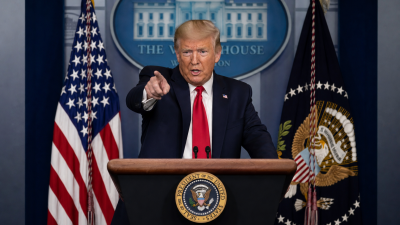
The United States, which played a central role in brokering the April ceasefire, finds itself in an extraordinarily delicate position. President Donald Trump, who had been publicly insisting for weeks that a comprehensive peace deal between the US, Israel, and Iran was within reach, expressed frustration at the escalation.
“We were very close to a deal — a beautiful deal that would have brought lasting peace to the region,” Trump said in a statement. “Both sides need to step back from the brink. Nobody wins in a full-scale war.”
European leaders, including French President Emmanuel Macron and German Chancellor Friedrich Merz, issued a joint statement condemning both the Israeli strikes on Beirut and the Iranian retaliation, calling for an “immediate and unconditional return to the ceasefire framework.”
India’s Position
India, which maintains significant diplomatic and economic ties with both Israel and Iran, issued a carefully worded statement calling for “restraint and dialogue.” The Ministry of External Affairs confirmed that all Indian nationals in the affected regions have been accounted for, though the Indian Embassy in Tehran issued a fresh advisory urging Indian citizens to avoid travel to Iran and recommending that those already in the country leave as soon as possible.
India’s oil imports from the region, a critical component of the country’s energy security, could face disruption if the conflict escalates further. Brent crude prices surged 4.2 percent in early Asian trading on Monday, reflecting market anxiety about potential supply disruptions.
What Comes Next?
Military analysts warn that the current trajectory is extremely dangerous. Unlike the February-April phase, which had a degree of calibration from both sides, the breakdown of the ceasefire introduces unpredictability into an already volatile situation.
“The ceasefire was the guardrail. Without it, every strike invites a counter-strike, and the risk of miscalculation grows exponentially,” said Dr. Anika Sharma, a geopolitical analyst at the Institute for Defence Studies and Analyses in New Delhi.
Israel has reportedly closed its airspace to commercial flights as a precautionary measure, and several airlines have rerouted flights away from the region. Lebanon’s Rafic Hariri International Airport in Beirut has also suspended operations temporarily.
Also Read
- Oil Prices Crash Over 11 Percent as US-Iran Ceasefire Talks Signal Possible End to Middle East Conflict
- Crude Oil Jumps Over 2 Percent as Israel Orders Troops Deeper into Lebanon Despite Ceasefire — Brent Nears 93 Dollars
- Indian Rupee Crashes 139 Paise to 94.90 Against US Dollar as Crude Oil Surges and Trump Rejects Iran Ceasefire Proposal
- Indian Embassy Issues Urgent Advisory: ‘Leave Iran Immediately’
- India Tears Into Pakistan at UN Security Council
As the world watches with bated breath, the coming hours and days will be critical in determining whether diplomatic channels can be reopened or whether the Middle East is headed toward a broader conflagration that could have far-reaching consequences for global stability, energy markets, and international security.

- Indian Army Gets New Chief as General Dwivedi Hands Over Command Amid Push for Indigenous Defence Tech - July 1, 2026
- Ayodhya Ram Temple Donation Scandal Deepens as Trustees Resign and SIT Arrests Eight - June 29, 2026
- Bengal Seven Weeks On: Modi’s Historic Win and the Questions That Won’t Go Away - June 28, 2026