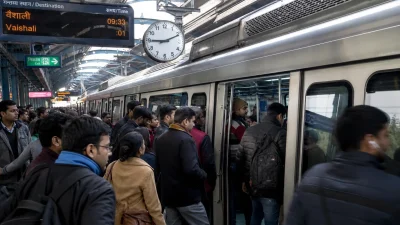
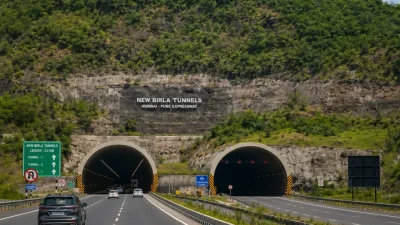
Indian Railways Rolls Out 908 Summer Special Trains With 18,262 Trips to Handle Record Election and Holiday Rush in 2026

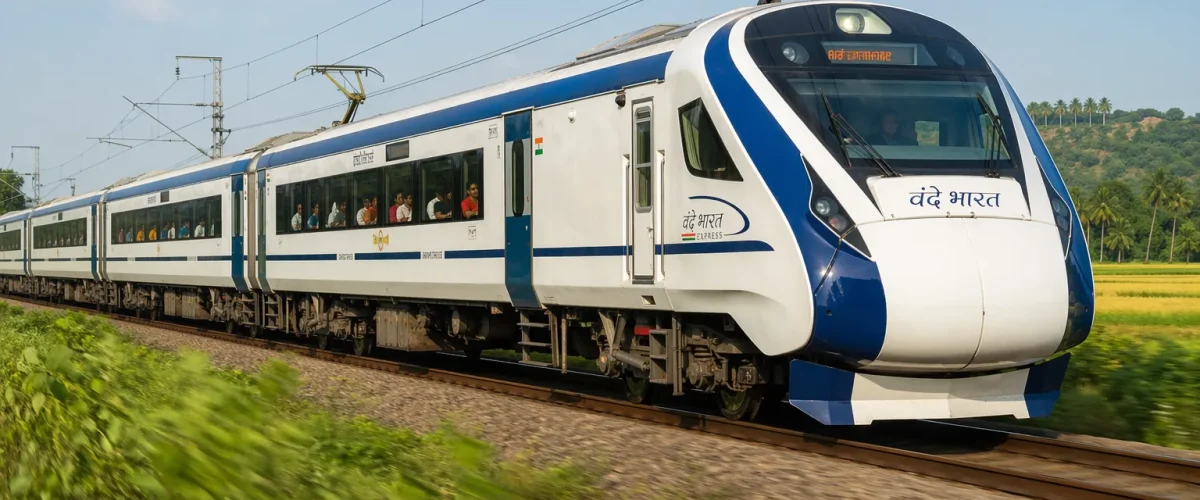
Indian Railways has mobilised its largest summer special train operation in recent memory, approving 908 special train services that will collectively operate 18,262 trips between 15 April and 15 July 2026. The unprecedented scale of the summer timetable reflects a perfect storm of travel demand drivers: the concurrent Assembly elections in Tamil Nadu and West Bengal, the traditional summer holiday season, religious pilgrimages including the Char Dham Yatra, and the ongoing heatwave driving lakhs of residents from northern plains to cooler hill destinations. For anyone planning rail travel across India this summer, understanding the special train network and booking strategies is essential to securing seats during one of the busiest travel periods in years.
908 Trains, 18,262 Trips: The Largest Summer Operation Yet
According to data released by the Ministry of Railways on 20 April 2026, of the 908 approved summer special trains, 660 have already been notified and are operational, accounting for 11,294 trips. The remaining 248 trains with approximately 6,968 trips are being progressively added as demand patterns become clearer. The zonal breakdown reveals which regions face the highest pressure.
South Central Railway leads with 124 approved trains covering 1,184 trips, reflecting massive demand from Andhra Pradesh and Telangana — states experiencing extreme heat and home to large migrant worker populations travelling for elections and festivals. Western Railway follows with 106 approved trains and 2,078 trips, serving the Mumbai-Gujarat-Rajasthan corridor that sees enormous traffic from industrial workers returning home. South Western Railway has approved 76 trains for 509 trips, covering the Karnataka-Kerala-Goa belt where summer tourism and pilgrimage traffic converge.
The special trains cover virtually every major route in the country: Delhi to Patna, Mumbai to Gorakhpur, Chennai to Howrah, Bengaluru to Varanasi, Pune to Lucknow, and dozens of other high-demand corridors. Many special trains run as weekly or bi-weekly services, while some on the busiest routes operate daily. Sleeper, Third AC, Second AC, and unreserved general coaches are available depending on the train, with the majority offering sleeper and AC coach options to accommodate both budget and premium travellers.
Election Traffic Creates Unprecedented Demand
The simultaneous Assembly elections in Tamil Nadu and West Bengal have created a unique demand spike that Railway officials say is without precedent. Millions of voters need to travel to their home constituencies to cast ballots, and the return journey after polling creates a second wave of demand. West Bengal’s two-phase election — 23 April and 29 April — means that the eastern corridor, particularly the Howrah-Sealdah routes connecting to districts across Bengal, is under sustained pressure for nearly two weeks.
Railways has responded by adding special trains on key election routes and increasing the frequency of existing services. The Howrah-New Jalpaiguri corridor, which serves north Bengal’s polling districts, has seen additional trains added to handle voters travelling to constituencies in Cooch Behar, Jalpaiguri, Darjeeling, and Alipurduar. Similarly, Chennai-Madurai, Chennai-Coimbatore, and Chennai-Salem routes have been bolstered for Tamil Nadu voters. The Election Commission’s requirement that government employees posted outside their home state return for election duty has added another layer of demand on long-distance routes. For context on the electoral dynamics driving this travel, the broader summer travel patterns show India is experiencing a record year for domestic tourism.
Pilgrimage and Holiday Corridors Under Pressure
The Char Dham Yatra season, which opened with the Yamunotri and Gangotri portals on 19 April, is adding significant demand on routes from Delhi, Mumbai, and Kolkata to Haridwar, Rishikesh, and Dehradun. Railways has added special services on the Delhi-Haridwar corridor and increased the frequency of the newly inaugurated Vande Bharat services on this route. The Delhi-Dehradun corridor, recently enhanced by the new expressway, is seeing both road and rail traffic surge as pilgrims make their way to the starting points of the sacred yatra.
Summer holiday traffic to hill stations is another major demand driver. Routes to Shimla, Manali, Dharamsala, and other Himachal Pradesh destinations are fully booked weeks in advance. The Kalka-Shimla heritage railway, with its limited capacity, is running additional services but cannot match demand. Routes to Jammu for onward travel to Kashmir, and to Kathgodam for Nainital and Kumaon, are similarly strained. Southern hill station routes — to Ooty via Mettupalayam, to Kodaikanal via Madurai, and to Munnar via Ernakulam — are experiencing booking rates well above normal. The Delhi-Dehradun Expressway opening has been a welcome addition to the transport infrastructure serving this corridor.
How to Book and Beat the Rush: Practical Tips
For travellers still seeking tickets, several strategies can help. Special trains are bookable through the IRCTC website and app, and appear in the system once officially notified. Checking IRCTC regularly for newly added special trains is essential, as services are being progressively announced. The Tatkal booking window — which opens at 10 am for AC classes and 11 am for sleeper class on the day before travel — remains an option for last-minute needs, though competition for Tatkal tickets is fierce on popular routes.
The waitlist confirmation probability varies by route and class. Third AC generally has the highest confirmation rate due to its larger capacity, while Second AC and First AC have smaller quotas. The IRCTC Vikalp scheme allows passengers with waitlisted tickets to be automatically transferred to alternative trains on the same route if seats are available, significantly improving confirmation chances. For flexibility, booking on less popular days — Tuesdays and Wednesdays typically see lower demand than Friday-Sunday services — can improve chances.
Railways has also expanded the availability of general unreserved coaches on special trains, and unreserved tickets can be purchased from any station counter on the day of travel. For shorter journeys, the Vande Bharat semi-high-speed services, now operating on over 100 routes, offer a premium experience with faster travel times and better amenities, though they tend to sell out quickly. Looking ahead, Railways is also assessing demand data to potentially add more special services in May and June if the current allocation proves insufficient, particularly as the bullet train project continues progress for future long-distance travel. The message from Railways is clear: plan early, book flexibly, and stay alert for new train announcements throughout the summer.