Delhi Heatwave Alert Intensifies as IMD Warns Temperatures May Soar to 45 Degrees Celsius With Severe Heat Gripping North India Till May 22

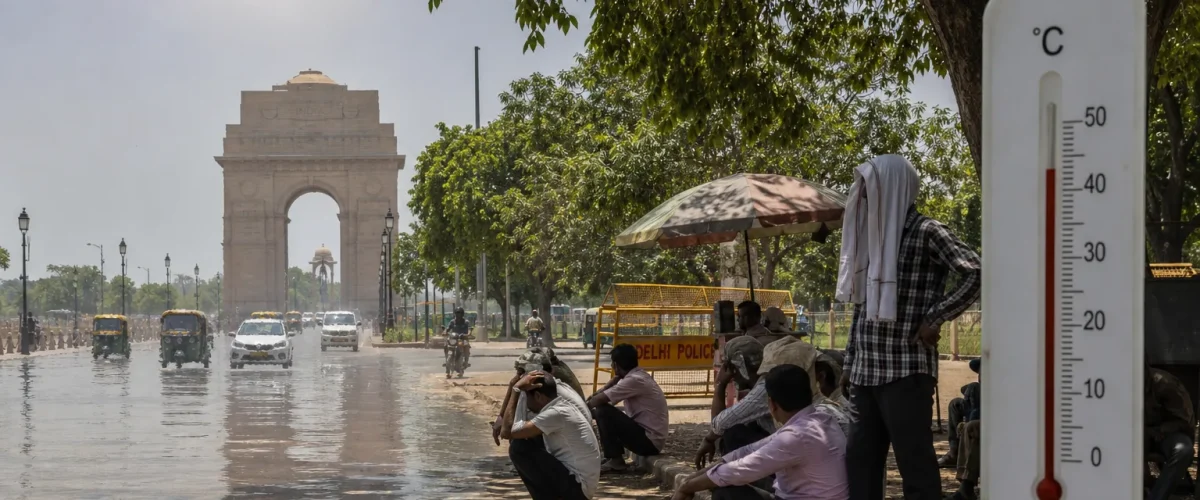
The India Meteorological Department has issued a severe heatwave warning for Delhi-NCR and large parts of North India, with temperatures expected to soar past 45 degrees Celsius in the national capital over the coming days. The alert, which covers the period from 17 May to 22 May 2026, warns of prolonged heat stress across at least nine states and union territories, with the worst conditions expected in Rajasthan, where mercury could touch 47 degrees in some districts.
IMD’s Official Heatwave Forecast
According to the extended range outlook released by the IMD on 14 May, heatwave conditions are likely to prevail at many places with severe heatwave conditions in isolated pockets over West Rajasthan from 17 to 19 May. The forecast warns of heatwave conditions in isolated pockets over Punjab, Haryana, Chandigarh, and Delhi from 16 to 20 May, and over West Uttar Pradesh from 15 to 17 May.
East Uttar Pradesh, East Rajasthan, West Madhya Pradesh, Vidarbha, East Madhya Pradesh, Chhattisgarh, Telangana, and parts of Konkan and Goa are also expected to experience heatwave conditions during various periods within the week. Maximum temperatures across most of northwest, west, and central India are likely to remain 3 to 5 degrees above normal throughout the alert period.
Delhi recorded a maximum temperature of 44 degrees Celsius on Saturday, with IMD forecasting the mercury could hit 45 degrees on Sunday and Monday. The capital’s Safdarjung observatory, which provides the official temperature reading, registered a minimum temperature of 30.2 degrees overnight, nearly 4 degrees above the seasonal average.
Why This Heatwave Is Particularly Dangerous
What makes the current heatwave especially concerning is the combination of extreme daytime temperatures and elevated nighttime lows. When minimum temperatures remain above 28 to 30 degrees Celsius, the human body does not get adequate cooling during sleep, leading to cumulative heat stress over successive days.
The IMD has also issued a warm night warning for parts of West Rajasthan from 17 to 19 May, where minimum temperatures are expected to remain appreciably above normal at 3 to 5 degrees higher than the seasonal average. This pattern is consistent with the broader warming trend observed across India in 2026, which scientists have linked to the developing super El Niño in the Pacific Ocean.
“The El Niño conditions are suppressing pre-monsoon rainfall over North India and enhancing the ridge of high pressure that is baking the region. We are seeing temperatures that are typically associated with late May or early June arriving two to three weeks ahead of schedule,” said Dr Mrutyunjay Mohapatra, Director General of the IMD.
Health Advisory and Precautions
The National Disaster Management Authority (NDMA) has issued a detailed advisory urging citizens to avoid outdoor activity between 11 AM and 4 PM, stay hydrated, and watch for symptoms of heat exhaustion and heatstroke. Hospitals across Delhi, Rajasthan, and Uttar Pradesh have been instructed to keep emergency heat illness protocols activated and maintain adequate stocks of oral rehydration salts and intravenous fluids.
Delhi’s Health Department reported a 35 per cent increase in heat-related emergency room admissions over the past week compared to the same period in 2025. The most affected groups include outdoor workers, the elderly, children under five, and individuals with pre-existing cardiovascular or respiratory conditions.
“We are seeing patients come in with core body temperatures above 40 degrees Celsius. Many are construction workers and delivery personnel who have no choice but to work in the heat. We need employers to mandate rest breaks and provide shaded work areas,” said Dr Nandini Sharma, Medical Superintendent at Safdarjung Hospital.
Impact on Water Supply and Power Demand
The heatwave is compounding the water crisis already affecting several cities. Delhi’s peak water demand has risen to approximately 1,200 million gallons per day (MGD), against a supply capacity of around 990 MGD. The Delhi Jal Board has warned of intermittent supply disruptions in elevated areas and tail-end colonies.
Power demand in the national capital hit a new May record of 7,940 megawatts on Saturday, surpassing the previous record of 7,600 MW set during the May 2024 heatwave. The state-owned discoms — BSES Rajdhani, BSES Yamuna, and Tata Power Delhi — have reported that air conditioning load now accounts for nearly 50 per cent of residential electricity consumption, up from 35 per cent in April.
The Northern Regional Load Dispatch Centre has placed the grid on “alert mode” for the 17 to 22 May period, with contingency plans to import additional power from hydro-rich states like Himachal Pradesh and Bhutan if demand exceeds available supply.
States Under the Heatwave Blanket
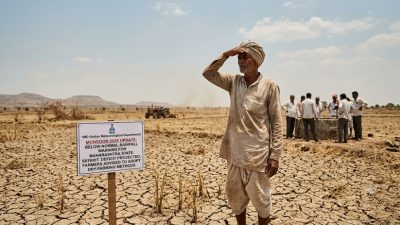
Rajasthan remains the hardest-hit state, with Churu, Barmer, Jaisalmer, and Bikaner recording temperatures between 46 and 47.5 degrees Celsius in recent days. The state government has ordered all government and private schools to remain closed through 22 May and has extended afternoon work restrictions for construction and outdoor labour.
Uttar Pradesh, still recovering from the devastating storm earlier this month that killed over 111 people, is now bracing for a heat emergency in its western and central districts. Madhya Pradesh has placed its district administrations on high alert, with mandatory water distribution points being set up in urban areas.
Punjab and Haryana, India’s breadbasket states, are concerned about the impact of extreme heat on the ongoing wheat procurement season. Grain traders report that prolonged heat exposure is reducing the quality of wheat stored in open mandis, potentially leading to higher rejection rates by government procurement agencies.
Climate Change Context
India has experienced increasingly frequent and intense heatwaves over the past two decades, a trend that climate scientists attribute to global warming amplified by urbanisation and the loss of green cover. According to the Centre for Science and Environment, the number of heatwave days across India has increased by approximately 40 per cent between 2000 and 2025.
The World Meteorological Organisation’s latest global climate report warned that 2026 was on track to become one of the five warmest years on record globally, with South Asia identified as one of the regions most vulnerable to extreme heat events. “The current heatwave in North India is not an anomaly. It is the new normal,” said Dr Roxy Mathew Koll, a climate scientist at the Indian Institute of Tropical Meteorology. “We need to fundamentally rethink urban planning, building design, and public health infrastructure to adapt to this reality.”
The IMD has said it will provide updated forecasts every 12 hours and urged state disaster management authorities to remain on the highest level of preparedness until the heatwave subsides, which is tentatively expected around 22 to 23 May when a western disturbance may bring some relief to the region.