Trump Claims US-Iran Peace Deal in ‘Final Throes’ — Says Agreement Could Be Reached Within Days

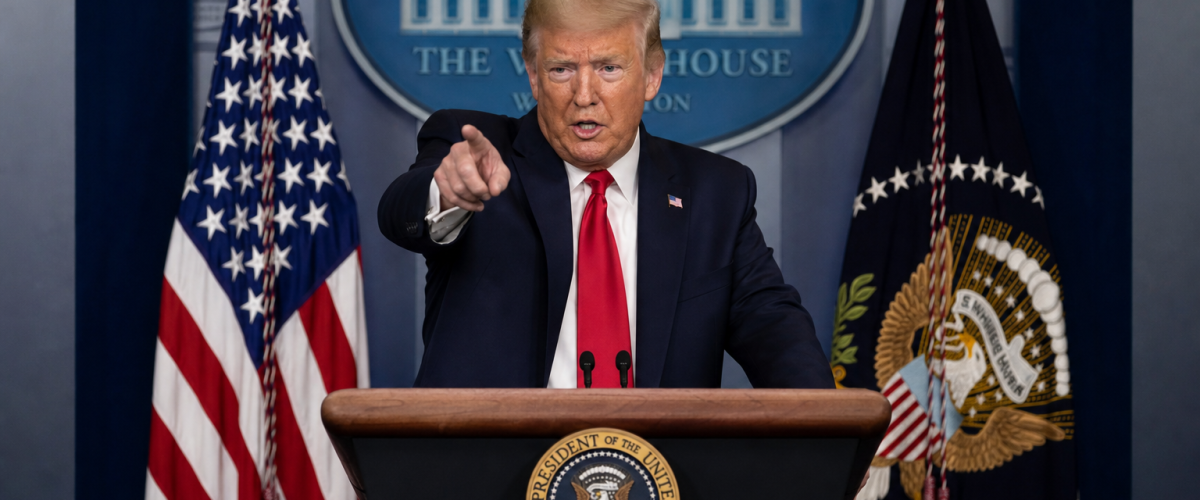
President Donald Trump made a dramatic claim on June 9, 2026, stating that the United States is in the “final throes” of a peace agreement with Iran and that a deal could be completed within days. The announcement, made during a press conference at the White House, sent ripples through global diplomatic and financial circles — even as fresh airstrikes continued in the Persian Gulf region, raising questions about the credibility of the claim.
“We are very close to a deal with Iran — very, very close,” Trump told reporters. “I would say we are in the final throes. It could happen within days. It’s going to be a beautiful deal, a deal that’s good for America, good for Iran, and good for the world.” The President did not provide specifics about the terms being negotiated or which channels were being used for communication.
Scepticism and Hope in Equal Measure
The claim was met with a mix of cautious hope and deep scepticism. Diplomats at the United Nations noted that there has been no formal indication from Iran that it is engaged in direct peace negotiations with the United States. Iran’s Supreme Leader Ayatollah Ali Khamenei has repeatedly stated that Tehran will not negotiate under military pressure, and Iranian officials have publicly rejected any deal that does not include a complete withdrawal of US forces from the region.
“We have seen no evidence of serious negotiations,” said a senior European diplomat at the UN, speaking on condition of anonymity. “President Trump has a history of making optimistic pronouncements about deals that are not as close as he suggests. We hope he is right this time, but we are not holding our breath.”
Financial markets, however, responded positively to the news. Brent crude oil prices dropped 4% to $92 per barrel on the day of the announcement, while global stock indices rallied. The Indian rupee strengthened slightly against the dollar, and airline stocks in India saw gains on hopes that a peace deal would bring down aviation fuel prices.
The War So Far
The US-Iran conflict, which began with surprise American and Israeli airstrikes on Iranian military and government sites on February 28, 2026, has been one of the most destructive military engagements of the 21st century. Over the past three and a half months, the war has claimed thousands of lives — including an estimated 15,000 Iranian civilians — disrupted global energy markets, triggered a refugee crisis, and drawn in regional actors across the Middle East.
Iran has retaliated with missile and drone attacks on US military bases, Israeli targets, and Gulf Arab states. The Strait of Hormuz has been effectively weaponised, with attacks on commercial shipping disrupting the flow of oil that the global economy depends on. The economic fallout has been felt worldwide, with energy prices surging, inflation rising, and emerging market economies like India bearing a disproportionate burden.
The human cost has been staggering. In Iran, essential goods have become unaffordable for ordinary citizens — reports indicate that oil prices within the country have risen 430% and egg prices 345% since the war began. Iranians are reportedly resorting to instalment plans for basic necessities like bread. The humanitarian crisis has drawn condemnation from the UN, the Red Cross, and human rights organisations worldwide.
What a Deal Might Look Like
While the specifics of any potential agreement remain unknown, analysts have outlined several elements that would likely be part of a comprehensive peace deal. These include a ceasefire and withdrawal of US forces from positions near Iranian territory, guarantees that Iran will not develop nuclear weapons beyond agreed limits, the lifting of economic sanctions, compensation for civilian casualties, and arrangements for the reconstruction of damaged infrastructure.
The most contentious issue is likely to be Iran’s nuclear programme. The US withdrew from the 2015 Iran Nuclear Deal (JCPOA) during Trump’s first term, and any new agreement would need to address the advances Iran has made in uranium enrichment since then. Iran is believed to have stockpiled enough enriched uranium for multiple nuclear weapons, though it denies pursuing a weapons programme.
Regional dynamics add another layer of complexity. Israel, which participated in the initial strikes and has its own security concerns regarding Iran, would need to be part of any lasting agreement. Gulf Arab states, which have been attacked by Iranian missiles and drones, would also need assurances. And Russia and China, which have their own relationships with Tehran, could play a role as guarantors or spoilers.
The World Watches and Waits
For a war-weary world, Trump’s announcement offers a glimmer of hope — however fragile. The UN Security Council, which has been paralysed by vetoes, may reconvene if a deal materialises. Countries like India, which have offered to mediate, stand ready to support any diplomatic breakthrough.
But the gap between Trump’s rhetoric and reality has often been wide. Even as the President spoke of peace, US and Iranian forces were exchanging fire in the Gulf, and India was summoning the American Ambassador over a missile attack on a tanker with Indian crew. Peace, if it comes, will not be a simple handshake — it will require the painstaking work of addressing grievances, rebuilding trust, and creating structures that prevent future conflict.
Also Read
- Trump Tells Netanyahu He Has No Choice but to Accept Iran Peace Deal — Says He Calls All the Shots in US-Israel Relations
- US and Iran Launch Fresh Airstrikes as War Enters Fourth Month — Trump Blames Tehran for Downing American Helicopter
- US and Iran Reach Tentative 60-Day Ceasefire Deal — Strait of Hormuz to Reopen Within 30 Days as Nuclear Talks Begin
- India Summons US Ambassador After Oil Tanker Attack
For now, the world watches and waits — hoping that “final throes” means the end of war, not just another chapter in an escalating cycle of violence.

- Indian Army Gets New Chief as General Dwivedi Hands Over Command Amid Push for Indigenous Defence Tech - July 1, 2026
- Ayodhya Ram Temple Donation Scandal Deepens as Trustees Resign and SIT Arrests Eight - June 29, 2026
- Bengal Seven Weeks On: Modi’s Historic Win and the Questions That Won’t Go Away - June 28, 2026