Southwest Monsoon Reaches Bihar — Lightning Kills 5 in Khagaria as IMD Predicts Rapid Advance Across Eastern India

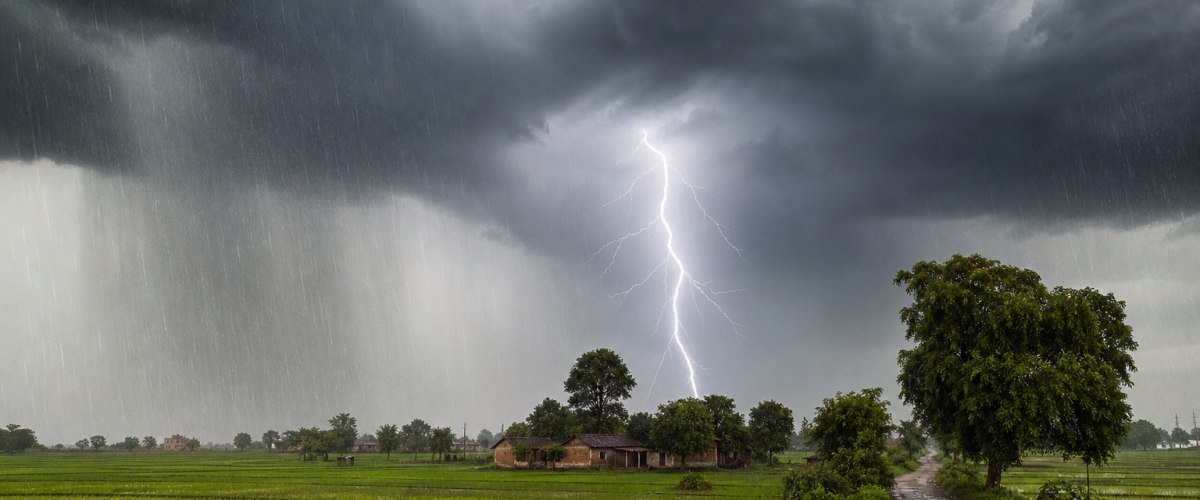
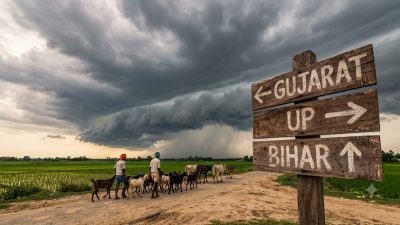
The southwest monsoon has arrived in Bihar, bringing much-needed relief from weeks of scorching heatwave conditions but also claiming five lives in lightning strikes in Khagaria district on June 11. The India Meteorological Department (IMD) confirmed the monsoon’s advance into the state and predicted rapid progress across Jharkhand, Chhattisgarh, Odisha, and parts of eastern Uttar Pradesh over the next two to three days, signalling the beginning of the crucial rainy season for India’s agricultural heartland.
The five victims in Khagaria — including two farmers working in paddy fields, a woman near her home, and two children playing outdoors — were killed when intense thunderstorm activity accompanied the monsoon’s arrival. Lightning fatalities are tragically common during the early monsoon period in Bihar, which records more lightning deaths than any other Indian state. The state disaster management authority has issued advisories urging residents to stay indoors during thunderstorms and avoid open fields, isolated trees, and water bodies.
Monsoon’s Progress and Outlook
The monsoon, which hit the Kerala coast on June 1 — right on schedule — has made steady progress across the western coast, central India, and the northeast before reaching Bihar. The IMD reported that monsoon conditions are now established across Kerala, Karnataka, Goa, Maharashtra, most of Andhra Pradesh and Telangana, large parts of Madhya Pradesh and Chhattisgarh, and the entire northeastern region.
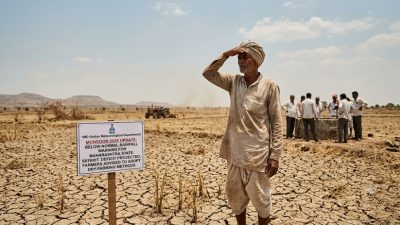
The advance into Bihar is significant for the state’s predominantly agricultural economy. Kharif (summer) crops — including rice, maize, and pulses — depend critically on monsoon rainfall for sowing and early growth. Farmers across the state have been anxiously awaiting the rains, with many reporting delayed sowing due to the extended dry spell and heatwave conditions that preceded the monsoon’s arrival.
The IMD has forecast above-normal rainfall for Bihar and eastern India during the June-September monsoon season, which is good news for agricultural output. However, the department has also warned of the increased risk of flash floods, particularly in north Bihar districts that are prone to flooding from rivers originating in Nepal. The Kosi, Gandak, and Bagmati river systems, which have a history of devastating floods, will be closely monitored throughout the season.
Relief From the Heatwave
The monsoon’s arrival has brought dramatic temperature relief across Bihar and neighbouring states. Patna, which recorded temperatures of 44-45°C during the heatwave peak last week, saw the mercury drop to 32°C following the onset of monsoon rains. Similar cooling was reported across Gaya, Bhagalpur, Muzaffarpur, and other cities that had been sweltering under extreme heat for weeks. (Related: Southwest Monsoon 2026 Advances Into 12 States — I…)
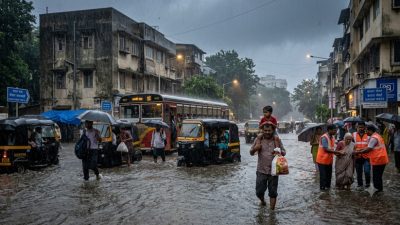
The cooling effect, however, comes with its own challenges. The sudden shift from extreme heat to heavy rainfall increases the risk of waterlogging and urban flooding in poorly drained cities. Patna, which experienced catastrophic urban flooding during the 2019 monsoon, has been working to improve its drainage infrastructure, but civic officials acknowledge that significant vulnerabilities remain.
The transition from heatwave to monsoon also brings health risks. The sudden increase in humidity creates ideal conditions for vector-borne diseases like dengue, malaria, and chikungunya. The Bihar health department has activated its monsoon disease surveillance programme and is conducting anti-larval spraying operations across the state.
National Monsoon Picture
Across India, the 2026 monsoon is shaping up to be a critical season. The country’s farm sector, which employs approximately 42% of the workforce and accounts for 18% of GDP, depends heavily on the spatial and temporal distribution of monsoon rainfall. A good monsoon can boost rural incomes, moderate food inflation, and support overall economic growth, while a poor monsoon can have cascading negative effects across the economy. (Related: Southwest Monsoon to Hit Kerala Around June 4 as I…)
The IMD’s seasonal forecast predicts that India will receive 103% of its long-period average rainfall this monsoon — categorised as “normal.” The forecast is supported by neutral El Niño-Southern Oscillation (ENSO) conditions in the Pacific Ocean, which typically favour normal monsoon performance over India.
However, meteorologists caution that aggregate normal rainfall can mask significant regional and temporal variations. Some areas may receive excess rainfall leading to floods, while others may face dry spells that hurt crop growth. The emerging La Niña conditions expected later in the season could intensify rainfall in the second half of the monsoon, increasing flood risks in September and October.
Impact on Crop Prices and Economy
The monsoon’s progress is being closely watched by policymakers, particularly in the context of food inflation, which has been a persistent challenge. Prices of vegetables, pulses, and cereals have remained elevated in recent months, driven partly by last year’s uneven monsoon and partly by the global energy price spike caused by the US-Iran conflict.
A good monsoon season could help moderate food prices by boosting kharif crop output, particularly for rice, pulses, and oilseeds. The Reserve Bank of India, which has been balancing inflation concerns with growth considerations, is watching monsoon developments closely as it formulates its monetary policy stance for the coming quarters.
For the families of the five lightning victims in Khagaria, however, the monsoon’s arrival carries only grief. As India welcomes the life-giving rains that sustain its agriculture and economy, the human cost of the season’s violent weather is a stark reminder of the vulnerability of communities at the frontlines of India’s climate reality.
Also Read
- Southwest Monsoon 2026 Advances Into 12 States — IMD Issues Red Alert for Coastal Karnataka, Heatwave Grips North India
- Southwest Monsoon to Hit Kerala Around June 4 as IMD Confirms Onset — What It Means for India’s Agricultural Season
- Super El Nino 2026 Threatens India Southwest Monsoon as IMD Forecasts Below-Normal Rainfall and Drought Risk Looms Over 60 Percent Farmers
- India’s Monsoon 2026 Forecast Drops to 90% of Normal — El Niño Threatens Agriculture and Economy as IMD Issues Below-Normal Warning
- Southwest Monsoon Set for Early Arrival as IMD Confirms Onset Likely Over Andaman and Nicobar Islands by End of This Week