Jaishankar Hits Back at European Criticism of India’s Russia Policy — ‘European Weapons Have Been Used Against India’

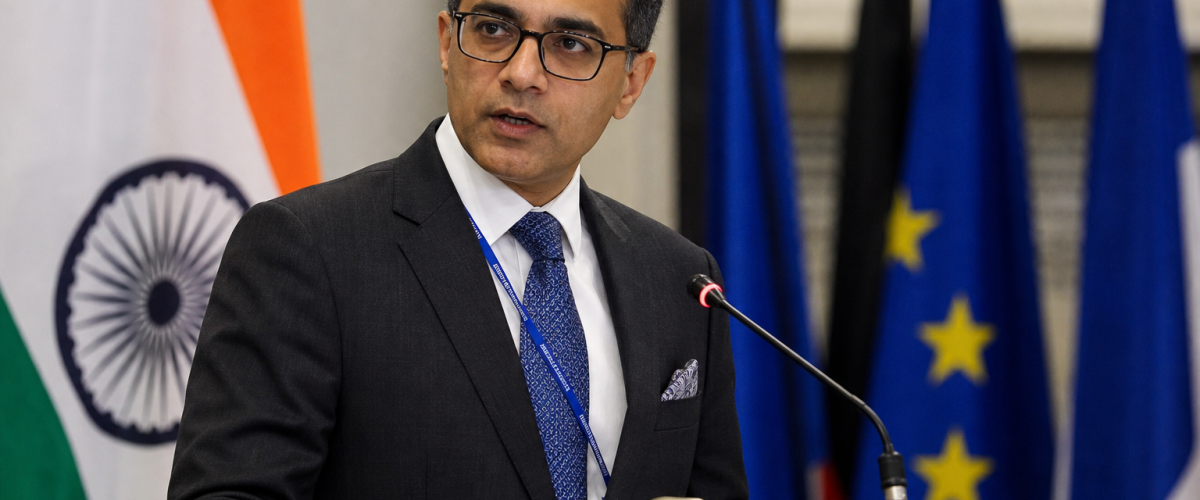
External Affairs Minister S. Jaishankar delivered a sharp and characteristically blunt response to European criticism of India’s relationship with Russia, pointing out that European-manufactured weapons have been used against India in past conflicts — a fact that he said undermines Europe’s moral authority to lecture New Delhi on its foreign policy choices. The remarks, made during an international forum, represent the latest salvo in an ongoing diplomatic tension between India and Western nations over New Delhi’s refusal to join the Western consensus on isolating Moscow.
“Let me be very direct. European weapons have been used against India. European countries have supplied arms to nations that have been hostile to us,” Jaishankar said. “So when Europe lectures India about our relationships, we find it a bit rich. We will make our foreign policy based on our national interest, not based on somebody else’s priorities.”
The Context of India-Russia Relations
India’s relationship with Russia has been a persistent point of friction with Western nations, particularly since Russia’s invasion of Ukraine in 2022. While the US, European Union, and other Western nations imposed comprehensive sanctions on Moscow and provided military aid to Ukraine, India maintained a notably independent stance — continuing to purchase Russian oil at discounted prices, maintaining diplomatic engagement, and abstaining from UN votes condemning the invasion.
The Western frustration with India’s position intensified as India became one of the largest buyers of Russian crude oil, helping sustain Moscow’s revenue stream during the sanctions regime. European leaders have repeatedly urged India to take a stronger stand against Russia, arguing that the principles of territorial integrity and sovereignty that underpin the international order are at stake.
India’s response, articulated consistently by Jaishankar and Prime Minister Modi, has been that India’s foreign policy is guided by its national interest, not by alliance politics. New Delhi has argued that its energy purchases from Russia are essential for the welfare of its 1.4 billion citizens, that it has consistently called for peace and dialogue, and that its relationship with Russia — which dates back decades and includes critical defence supplies — cannot be reduced to the Ukraine conflict.
The Weapons Argument
Jaishankar’s specific reference to European weapons being used against India is rooted in historical and contemporary reality. During the 1999 Kargil War with Pakistan, India found itself facing adversaries equipped with European-made weapons and technology. France supplied Mirage fighter aircraft to Pakistan, and various European nations have historically supplied military equipment to countries in India’s neighbourhood that have posed security challenges to New Delhi. (Related: Japan Bans Indian Mango Imports After 20 Years Ove…)
More recently, the proliferation of European arms to Middle Eastern and South Asian nations has been a concern for Indian security planners. The global arms trade, in which European nations — particularly France, Germany, and the UK — are major players, has often supplied weapons to nations whose interests conflict with India’s. This reality, Jaishankar implied, makes European critiques of India’s Russia relationship hypocritical.
The argument resonated strongly in India, where Jaishankar’s forthright diplomatic style has made him one of the most popular members of the Modi government. Indian media and social media widely covered his remarks, with many commentators praising his willingness to call out what they see as Western double standards.
India’s Multi-Alignment Strategy
India’s approach to the current global order has been described as “multi-alignment” — maintaining relationships with all major powers while avoiding exclusive alignment with any single bloc. This strategy, which has deep roots in India’s post-independence Non-Aligned Movement philosophy, has been updated for the 21st century under the Modi government.
Under this framework, India simultaneously deepens its partnership with the United States (including the Quad, defence agreements, and technology cooperation), maintains its historically close relationship with Russia (particularly in defence and energy), engages economically with China despite border tensions, and builds ties with the European Union, Middle Eastern nations, and the Global South. (Related: India Defence Budget Hits Record Rs 7.85 Lakh Cror…)
The approach has its critics. Some argue that India cannot indefinitely balance between competing power blocs and will eventually be forced to choose sides. Others contend that India’s neutrality on Ukraine has cost it diplomatic goodwill in Europe without delivering commensurate benefits from Russia.
Jaishankar and the Indian diplomatic establishment reject this binary framing. “The world is not a zero-sum game,” Jaishankar has said previously. “India’s relationships with Russia do not come at the expense of our relationships with Europe or America, any more than Europe’s arms sales come at the expense of its stated values.”
The European Response
European diplomats responded cautiously to Jaishankar’s remarks. A spokesperson for the EU’s External Action Service said: “We respect India’s sovereign right to determine its foreign policy. At the same time, we believe that the rules-based international order benefits all nations, including India, and we encourage all partners to support the principles of sovereignty and territorial integrity.”
Behind the scenes, European officials acknowledge that India’s position is unlikely to change and that the relationship must be managed pragmatically. The EU-India trade deal currently under negotiation, cooperation on climate change, and shared interests in the Indo-Pacific mean that neither side can afford a rupture.
As the global order continues to shift — with the US-Iran war, the ongoing Ukraine conflict, and rising US-China tensions creating new pressure points — India’s multi-alignment strategy faces its greatest test. Jaishankar’s blunt messaging to Europe is a signal that New Delhi will navigate these challenges on its own terms, regardless of external pressure.
Also Read
- Japan Bans Indian Mango Imports After 20 Years Over Pest Contamination — Zero-Tolerance Policy Hits Alphonso and Kesar Exports
- India Defence Budget Hits Record Rs 7.85 Lakh Crore in 2026-27 With Major Push for Indigenous Weapons and DRDO
- Nasdaq Crashes 5 Percent as AI Bubble Fears Intensify — Could FPI Outflows From US Reverse Back to India
- Blackstone-Backed AirTrunk Plans to Invest $30 Billion in India Data Centre Infrastructure by 2030 with 5GW Capacity Target
- India Begins Receiving Fourth S-400 ‘Sudarshan’ Air Defence Squadron from Russia — Fifth Unit Expected by November

- Indian Army Gets New Chief as General Dwivedi Hands Over Command Amid Push for Indigenous Defence Tech - July 1, 2026
- Ayodhya Ram Temple Donation Scandal Deepens as Trustees Resign and SIT Arrests Eight - June 29, 2026
- Bengal Seven Weeks On: Modi’s Historic Win and the Questions That Won’t Go Away - June 28, 2026