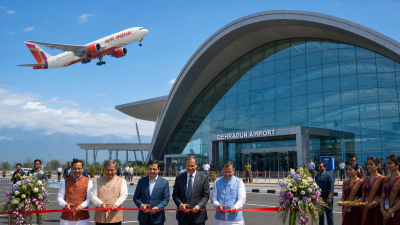
Noida International Airport Set for Maiden Commercial Flight on June 15 — A New Chapter for Delhi-NCR Aviation

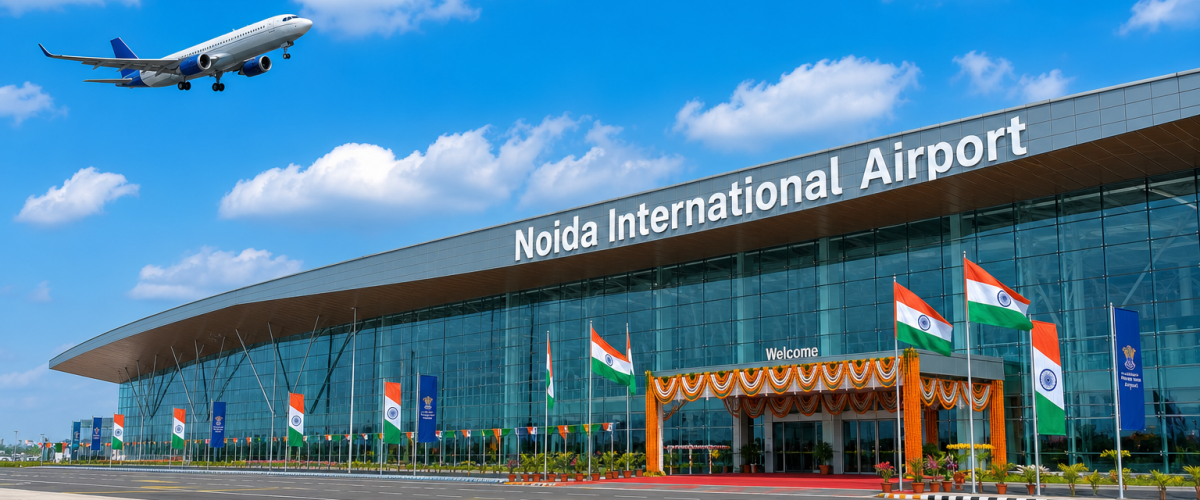
Noida International Airport, India’s newest and most anticipated aviation infrastructure project, is set to launch its first commercial flight on June 15, 2026 — a milestone that marks the beginning of a new era for Delhi-NCR’s aviation landscape. The maiden flight to Lucknow will inaugurate commercial operations at the greenfield airport, which has been built at Jewar in Gautam Buddh Nagar district of Uttar Pradesh at a cost of approximately ₹16,000 crore in its first phase.
The airport, also known as Jewar Airport, becomes the second international airport serving the National Capital Region after Indira Gandhi International Airport (IGIA) in Delhi, and is expected to transform regional connectivity, boost economic development, and relieve the mounting congestion at IGIA, which handled over 73 million passengers in the last fiscal year — approaching its designed capacity.
First Flight and Initial Operations
The inaugural commercial flight on June 15 will operate to Lucknow, connecting Noida with the Uttar Pradesh state capital. Additional domestic routes to cities including Bengaluru, Mumbai, Hyderabad, Ahmedabad, and Jaipur are expected to be launched in the coming weeks as airlines ramp up operations from the new facility.
Related: Gaganyaan Uncrewed Mission: ISRO’s Giant Leap Toward India’s First Human Spaceflight
In its first phase, the airport features a single runway and a modern terminal building with an annual passenger handling capacity of approximately 12 million. The terminal design incorporates contemporary architectural elements inspired by the Yamuna River and the cultural heritage of the NCR region, with spacious check-in halls, modern security screening facilities, and an emphasis on natural light and energy efficiency.
The airport received its aerodrome licence from the Directorate General of Civil Aviation (DGCA) on March 6, 2026, following comprehensive safety inspections and certification of all ground systems. Phase I was officially inaugurated on March 28 by Prime Minister Narendra Modi, who described the airport as “a symbol of New India’s infrastructure ambitions.”
Why Delhi-NCR Needed a Second Airport
The case for a second airport serving the Delhi-NCR region has been building for over a decade. IGIA, despite multiple expansion phases, has been struggling to keep pace with India’s explosive aviation growth. Passenger traffic at IGIA has more than doubled in the past decade, and pre-pandemic forecasts projected that demand would exceed 100 million passengers annually by 2030 — far beyond the airport’s expanded capacity of approximately 80-90 million.
The congestion has manifested in multiple ways: longer taxiing times, increased flight delays, crowded terminals, and growing resistance from surrounding residential areas to further expansion. Airlines have been forced to operate with sub-optimal scheduling, and the lack of available slots has constrained the entry of new carriers and the addition of new routes.
Noida International Airport addresses these constraints by providing significant additional capacity in a location that is closer to the fast-growing urban centres of Noida, Greater Noida, Agra, and the industrial corridors of western Uttar Pradesh. The airport’s catchment area includes an estimated 60 million people within a three-hour drive, making it one of the most commercially attractive greenfield airports globally.
Connectivity and Access
One of the critical factors determining the airport’s success will be surface connectivity. The Yamuna Expressway, already operational, provides a direct road link from the airport to Noida and Greater Noida. Additionally, the Delhi-Mumbai Expressway and the Agra-Lucknow Expressway will enhance road connectivity to the airport from multiple directions.
Rail connectivity is being developed through the Noida Metro Airport Line, which will connect the airport to the Delhi Metro network, providing seamless public transport access from across the NCR. The high-speed rail corridor under development between Delhi and Varanasi is also planned to include a station at or near the airport, potentially making it a multi-modal transportation hub.
Economic Impact and Future Phases
The airport is expected to be a major catalyst for economic development in the region. The Uttar Pradesh government has designated a large area around the airport as an aviation-linked industrial zone, designed to attract manufacturing, logistics, and service sector companies that benefit from proximity to air cargo and passenger connectivity.
An integrated multi-modal cargo hub is planned as part of the airport’s development, targeting the growing demand for air freight services driven by e-commerce, pharmaceuticals, and electronics manufacturing. The cargo facility is expected to handle approximately 1 million tonnes of freight annually at full buildout, positioning the airport as a logistics gateway for northern and central India.
Future phases of the airport envision expansion to four runways and an annual capacity of approximately 70 million passengers, which would make it one of the largest airports in India. The timeline for subsequent phases will depend on traffic growth and investment decisions, but the master plan provides for decades of scalable expansion on the 5,000-acre site.
As the first flight prepares to depart on June 15, Noida International Airport stands as a testament to India’s infrastructure ambitions — and as a reminder that the country’s aviation story, already one of the world’s most dynamic, is entering an exciting new chapter.
Also Read
- Delhi Rains and Hailstorm Cause Chaos at IGI Airport: Over 500 Flights Delayed and 10 Cancelled on Tuesday
- ISRO Gaganyaan G1 Mission: India’s First Uncrewed Crew Module Flight Nears Launch After 8000 Ground Tests
- SWISS Air Flight Engine Catches Fire During Takeoff at Delhi Airport: Six Passengers Injured in Emergency Evacuation of Airbus A330
- India Housing Sales Slip 4 Per Cent in Q1 2026 as Global Uncertainty Weighs on Mumbai and Delhi-NCR
- India Housing Sales Fall 4 Per Cent in Q1 2026 as Mumbai and Delhi-NCR Drag Amid Global Uncertainty