Trump Announces Iran Peace Deal for Sunday — Hormuz Strait to Reopen as War Nears End

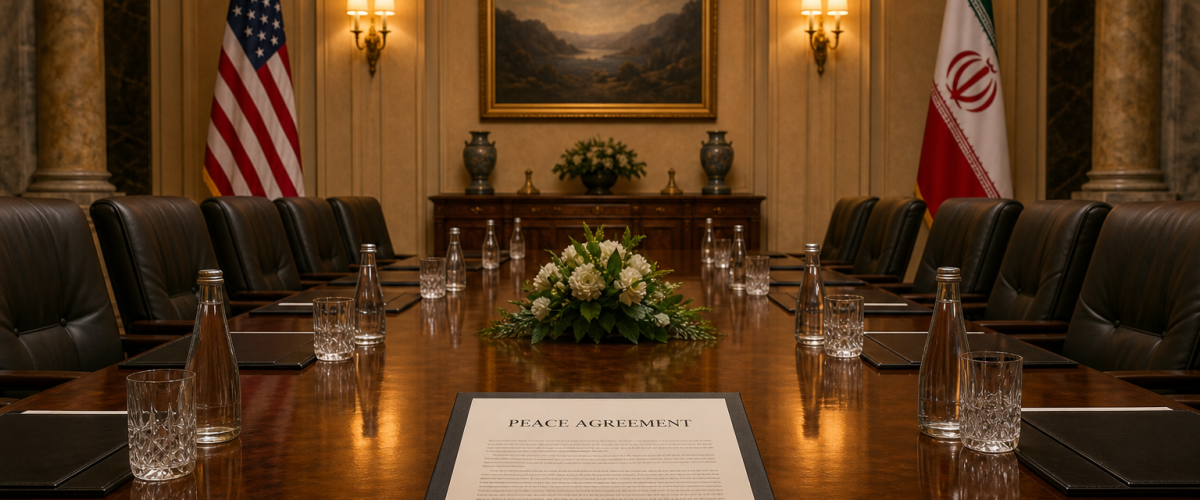
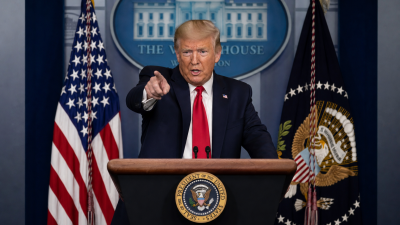
In a dramatic escalation of diplomatic activity, President Donald Trump announced on Saturday that a peace deal to end the war with Iran will be signed on Sunday, followed by the immediate reopening of the Strait of Hormuz to all international shipping. The announcement, made via a Truth Social post, represents the most definitive statement yet that the months-long US-Iran military confrontation may be nearing its conclusion — though significant uncertainty remains about the deal’s details and Iran’s willingness to sign on the stated timeline.
“The Deal is scheduled to get signed tomorrow, and immediately after it is signed, the Hormuz Strait is OPEN TO ALL,” Trump wrote, adding that the US would work with Iran to remove enriched uranium from the country at a future date. The post sent immediate shockwaves through global financial markets, with oil futures dropping over 3 percent in Asian trading as investors priced in the possibility of restored energy supply flows.
The Stakes: Why Hormuz Matters
The Strait of Hormuz, a narrow waterway between Iran and Oman, is the world’s most critical oil chokepoint. Approximately 20-21 million barrels of oil per day — roughly 20 percent of global consumption — transit through the strait, making it a strategic asset of unparalleled importance to the global economy.
The partial disruption of Hormuz traffic during the US-Iran conflict sent global oil prices soaring above $90 per barrel, with spot prices spiking even higher during periods of active military engagement. The price impact has been felt acutely by major oil importers, with India — which imports approximately 85 percent of its crude oil needs — facing a projected $15-20 billion increase in its annual oil import bill as a result of the crisis.
The reopening of Hormuz would provide immediate relief to global energy markets, with analysts projecting that oil prices could fall to the $70-75 per barrel range if full and unrestricted shipping resumes. For India, this could translate into lower fuel prices, reduced inflation, and a significant improvement in the trade balance — a welcome development at a time when the economy faces multiple headwinds.
Iran’s Cautious Response
While Trump’s announcement was characteristically definitive, Iran’s response has been notably more measured. Iranian Foreign Minister Mohammad Javad Zarif, speaking to state media hours before Trump’s post, said that Iran “remains cautious about the timing” of any deal and that “important details” still need to be finalised.
The gap between Trump’s confident timeline and Iran’s hedging language reflects the complex dynamics of the negotiation. Key sticking points reportedly include the scope and pace of sanctions relief, the mechanism for uranium removal, security guarantees for the Iranian regime, and the status of Iranian assets frozen in international banks.
Iran’s negotiating position has been shaped by both the military pressure of the US campaign and domestic political considerations. Hardliners within the Iranian establishment have expressed reluctance to accept a deal that could be portrayed as capitulation, while pragmatists — including elements of the business community and the diplomatic corps — have argued that the economic damage of continued conflict outweighs the political costs of compromise.
The Deal’s Reported Framework
While the full details of the agreement have not been made public, diplomatic sources and media reports suggest the deal includes several key elements. First, an immediate ceasefire and withdrawal of US naval forces from forward positions near Iranian territorial waters. Second, the reopening of the Strait of Hormuz to unrestricted international shipping under an internationally supervised monitoring arrangement. Third, a phased sanctions relief programme tied to Iranian compliance with nuclear non-proliferation requirements.
The uranium removal element — Trump’s reference to working with Iran to remove enriched uranium — is perhaps the most significant and contentious component. Iran’s nuclear programme has been a flashpoint in international relations for over two decades, and any agreement that addresses uranium enrichment would have implications far beyond the current conflict.
Market and Geopolitical Implications
If signed, the deal would have cascading effects across global markets and geopolitics. Oil markets would see immediate price relief, benefiting energy-importing economies while pressuring oil-exporting nations that have benefited from elevated prices. Stock markets, which have been constrained by Middle East risk premiums, could see a significant rally.
Geopolitically, a US-Iran deal would reshape Middle Eastern dynamics. Gulf states, which have been caught between their alliance with the US and their pragmatic relationships with Iran, would need to recalibrate their strategic positions. Israel, which has been a vocal critic of any accommodation with Iran, would likely express strong reservations about the deal’s nuclear dimensions.
For India, a successful peace deal would be overwhelmingly positive. Beyond the direct economic benefits of lower oil prices, the restoration of stability in the Middle East would protect remittance flows from the Gulf (approximately $30 billion annually), secure energy supply lines, and reduce the strategic uncertainty that has complicated India’s foreign policy calculations.
As the world watches to see whether Sunday’s signing materialises or whether the familiar cycle of announcement and delay continues, one thing is clear: the stakes of the US-Iran negotiation extend far beyond the two principal parties, touching the economic security and geopolitical calculations of nations worldwide.
Also Read
- Trump Claims US-Iran Peace Deal in ‘Final Throes’ — Says Agreement Could Be Reached Within Days
- Trump Tells Netanyahu He Has No Choice but to Accept Iran Peace Deal — Says He Calls All the Shots in US-Israel Relations
- US and Iran Reach Tentative 60-Day Ceasefire Deal — Strait of Hormuz to Reopen Within 30 Days as Nuclear Talks Begin
- Trump Pushes to Suspend Federal Gas Tax as Iran War Enters 11th Week and US Fuel Prices Hit Four-Year Highs Amid Strait of Hormuz Disruption
- US-Iran Standoff Deepens: Trump Rejects Iran’s New Peace Proposal as Strait of Hormuz Dual Blockade Enters Third Week and Gas Prices Soar Worldwide

- Indian Army Gets New Chief as General Dwivedi Hands Over Command Amid Push for Indigenous Defence Tech - July 1, 2026
- Ayodhya Ram Temple Donation Scandal Deepens as Trustees Resign and SIT Arrests Eight - June 29, 2026
- Bengal Seven Weeks On: Modi’s Historic Win and the Questions That Won’t Go Away - June 28, 2026