Southwest Monsoon 2026 Advances Rapidly — IMD Predicts Heavy Rain Across Southern and Central India

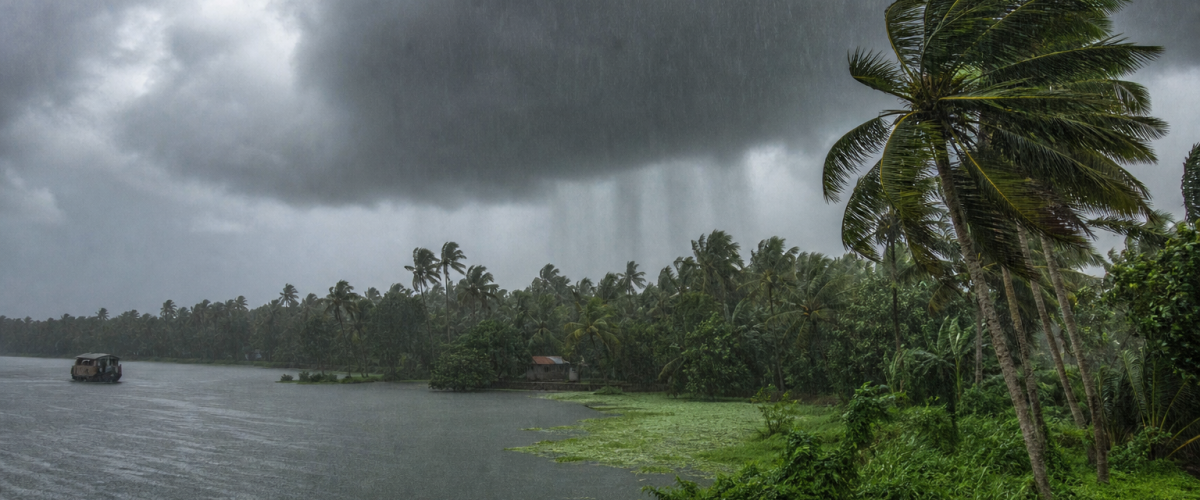
The Southwest Monsoon 2026 is advancing rapidly across India, with the India Meteorological Department (IMD) issuing forecasts for heavy to very heavy rainfall across southern and central India over the coming week. The monsoon, which made its onset over Kerala on June 4 — close to its normal date of June 1 — has been progressing steadily northward, bringing much-needed rain to parched agricultural regions while also raising concerns about flooding, landslides, and urban waterlogging.
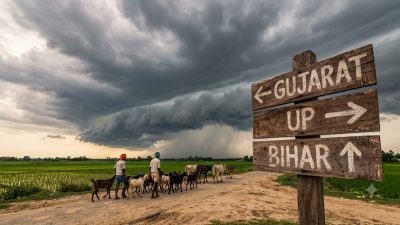
As of June 15, the monsoon’s northern limit extends across most of peninsular India, covering Kerala, Tamil Nadu, Karnataka, Goa, Maharashtra’s Konkan coast, and parts of Andhra Pradesh, Telangana, and the northeastern states. The IMD has indicated that conditions are favourable for further advancement into central India, including Madhya Pradesh, Chhattisgarh, and the remaining parts of Maharashtra, within the next five to seven days.
Rainfall Distribution and Key Alerts
The IMD has issued red and orange alerts for several states, warning of extremely heavy rainfall that could cause flooding and disruption:
Kerala: The state has been experiencing intense rainfall since the monsoon’s arrival, with several districts reporting waterlogging and localised flooding. The IMD has issued red alerts for Idukki, Wayanad, and Malappuram districts, where cumulative rainfall has already exceeded normal levels by 20-30 percent. Landslide warnings are in effect for hilly areas, particularly in the Western Ghats.
Karnataka: Coastal Karnataka, including Dakshina Kannada, Udupi, and Uttara Kannada districts, has received heavy rainfall, with several weather stations recording over 100mm in 24-hour periods. The Krishna and Cauvery river basins are being monitored for rising water levels.
Maharashtra: Mumbai and the Konkan coast are bracing for the monsoon’s arrival, with the IMD forecasting onset over Mumbai within the next 3-5 days. Pre-monsoon showers have already begun, and civic authorities have activated their monsoon preparedness plans, including flood control rooms, pumping stations, and emergency response teams.
Northeastern States: Assam and Meghalaya continue to experience heavy monsoon rainfall, with several rivers running above danger levels. The Brahmaputra river system, which regularly causes devastating floods in Assam, is being closely monitored.
Agricultural Impact: Relief and Risk
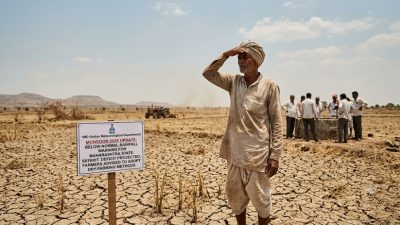
The monsoon’s timely onset and steady progression have been broadly positive for Indian agriculture, which depends heavily on monsoon rainfall for the kharif (summer) cropping season. Rice, the country’s most important kharif crop, requires sustained rainfall for nursery preparation and transplanting, both of which are currently underway across southern and central India.
Cotton, soybean, pulses, and coarse cereals — other major kharif crops — also benefit from early monsoon moisture. Agricultural economists estimate that a normal monsoon season could boost rural incomes by 8-12 percent compared to a deficit year, with cascading effects on rural consumption, FMCG demand, and overall GDP growth.
However, the distribution of rainfall matters as much as its quantity. Excessive rainfall in short periods can damage standing crops, erode topsoil, and create waterlogging that inhibits root development. The IMD’s forecast of heavy to very heavy rainfall in specific regions raises concerns about localised crop damage, particularly for crops that have been recently sown.
Urban Preparedness and Infrastructure
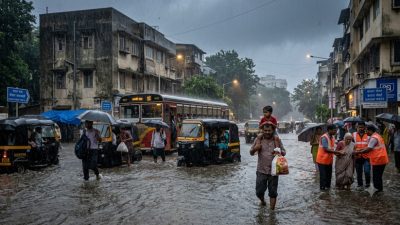
India’s major cities face their annual monsoon test, with urban flooding remaining one of the country’s most persistent infrastructure challenges. Mumbai, Chennai, Bengaluru, and Hyderabad have all experienced severe flooding in recent years, exposing inadequate drainage systems, encroachment on natural waterways, and the consequences of rapid urbanisation without commensurate infrastructure investment.
Municipal authorities across the country have been conducting pre-monsoon maintenance — clearing drains, desilting canals, testing pumping stations, and pre-positioning emergency equipment. However, the gap between the intensity of monsoon rainfall and the capacity of urban drainage systems remains a structural challenge that seasonal preparation alone cannot fully address.
El Niño and Long-Range Outlook
The IMD’s long-range forecast for the 2026 monsoon season projects normal to above-normal rainfall for the country as a whole, with neutral El Niño-Southern Oscillation (ENSO) conditions expected to prevail through the season. This is positive news, as El Niño events — characterised by warming of the central and eastern Pacific Ocean — have historically been associated with below-normal monsoon rainfall in India.
However, climate scientists caution that the character of the Indian monsoon is changing. Rising global temperatures are leading to more intense but less evenly distributed rainfall, with longer dry spells punctuated by extreme rain events. This pattern — “more rain in fewer days” — creates challenges for agriculture, water management, and disaster preparedness that require adaptation beyond traditional monsoon management strategies.
As the monsoon continues its northward march, millions of Indians welcome the relief from the summer heat while preparing for the challenges that the rainy season inevitably brings. The monsoon remains, as it has been for millennia, the defining rhythm of Indian life.
Also Read
- Super El Nino 2026 Threatens India Southwest Monsoon as IMD Forecasts Below-Normal Rainfall and Drought Risk Looms Over 60 Percent Farmers
- Southwest Monsoon to Hit Kerala Around June 4 as IMD Confirms Onset — What It Means for India’s Agricultural Season
- Southwest Monsoon Advances Into West Bengal and Bihar — IMD Issues Wet Spell Warning for Northwest India
- Southwest Monsoon Reaches Bihar — Lightning Kills 5 in Khagaria as IMD Predicts Rapid Advance Across Eastern India
- Southwest Monsoon 2026 Advances Into 12 States — IMD Issues Red Alert for Coastal Karnataka, Heatwave Grips North India