Adani Group’s Rs 15,000 Crore Jaiprakash Associates Resolution Plan Upheld by NCLAT as Vedanta’s Appeal is Dismissed in Landmark Insolvency Ruling

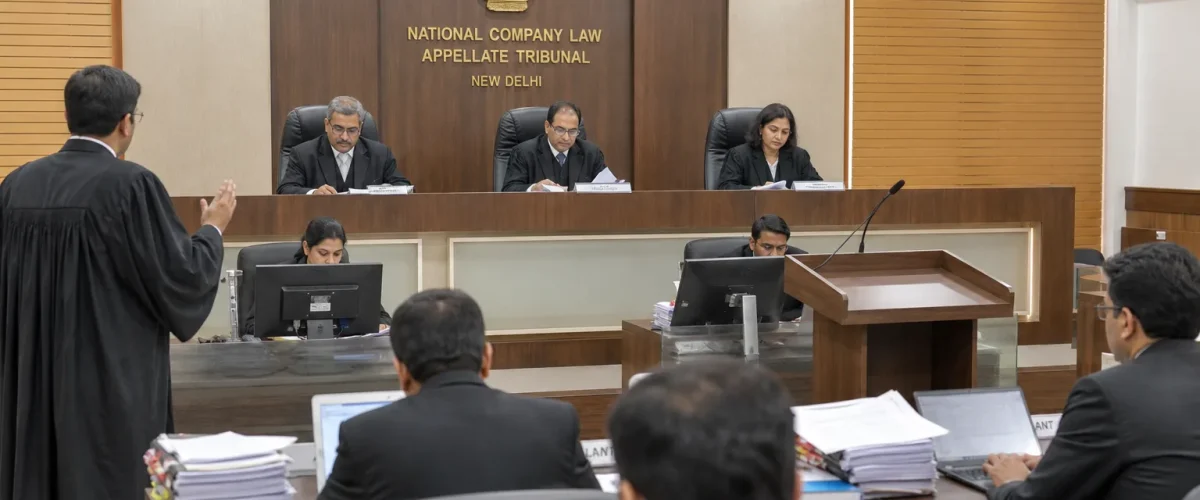
NCLAT Confirms Adani’s Takeover of Debt-Laden Jaypee Group
The National Company Law Appellate Tribunal (NCLAT) on Monday, 4 May 2026, upheld the Adani Enterprises resolution plan for Jaiprakash Associates Limited (JAL) valued at approximately Rs 15,000 crore, dismissing Vedanta Ltd’s appeal challenging the process. The landmark ruling paves the way for the Adani Group to assume control of one of India’s most prominent — and most indebted — infrastructure conglomerates, bringing closure to one of the longest and most complex insolvency proceedings under the Insolvency and Bankruptcy Code (IBC).
The NCLAT’s decision follows the Allahabad Bench of the NCLT (National Company Law Tribunal), which had approved Adani’s plan in March 2026. Vedanta, whose competing bid had been turned down by lenders, had filed an appeal alleging a lack of transparency and fairness in the resolution process. The appellate tribunal’s dismissal of this challenge removes the last major legal hurdle for Adani’s takeover plan.
Inside the Rs 15,000 Crore Resolution Plan
Jaiprakash Associates’ admitted claims from financial creditors amount to approximately Rs 5.44 trillion (Rs 5,44,000 crore), making it one of the largest insolvency cases ever processed under the IBC. Against these staggering claims, the approved Adani plan yields a recovery of about Rs 15,343 crore, translating into a recovery rate of approximately 2.8 per cent for creditors — a stark illustration of the value destruction that occurs when corporate distress is allowed to compound over years.
The plan’s payment structure includes an upfront payout of approximately Rs 6,000 crore, with the remaining amount to be settled over two years. This front-loaded approach was preferred by the Committee of Creditors (CoC) over Vedanta’s competing proposal, which was valued at Rs 12,505 crore on a net present value basis but envisaged staggered payments over five years.
Why Creditors Chose Adani Over Vedanta
The Adani plan received approximately 93 per cent approval from financial creditors, comfortably exceeding the statutory 66 per cent threshold required under the IBC. This overwhelming backing was driven primarily by two factors: the higher total value of Adani’s offer and the accelerated payment timeline that provided creditors with liquidity faster.
The National Asset Reconstruction Company Ltd (NARCL), which emerged as the dominant creditor after acquiring a significant portion of JAL’s debt from banks, was instrumental in driving the resolution. NARCL’s support reflected its mandate to expedite the resolution of large non-performing assets (NPAs) in the Indian banking system — a mission aligned with the government’s broader financial sector reform agenda.
Asset Care and Reconstruction Enterprise (ACRE), acting on behalf of Yes Bank’s exposure, voted against the plan, and Vedanta’s objections included allegations of procedural irregularities and undervaluation. However, both the NCLT and NCLAT found the process to be compliant with IBC provisions and the plan to be in the best interest of the corporate debtor’s stakeholders.
What Adani Gets: A Massive Infrastructure Portfolio
The JAL takeover gives Adani Enterprises control over a diverse portfolio of infrastructure assets that includes cement plants, power generation facilities, real estate projects, and expressway concessions. The Jaypee Group, founded by Jaiprakash Gaur, was once one of India’s largest infrastructure conglomerates, with interests spanning from the Yamuna Expressway linking Greater Noida to Agra, to cement plants across Uttar Pradesh and Madhya Pradesh, to the controversial Jaypee Wish Town real estate project in Noida.
For the Adani Group, which has been aggressively expanding its infrastructure footprint across airports, ports, data centres, and green energy, the JAL assets represent a strategic addition, particularly in the cement and real estate segments. The group’s ability to invest in revitalising these assets — many of which have been underperforming due to the years-long insolvency process — will be closely watched by industry observers.
Relief for Homebuyers?
One of the most sensitive aspects of the JAL insolvency has been the fate of thousands of homebuyers who had booked flats in Jaypee Wish Town and other real estate projects and seen their investments stuck for years. The resolution plan includes provisions for completing stalled real estate projects, offering potential relief to homebuyers who have been among the most vocal critics of the prolonged insolvency process.
The Supreme Court of India had intervened multiple times during the JAL proceedings to protect homebuyer interests, treating them as financial creditors under the IBC — a precedent-setting interpretation that has reshaped Indian insolvency law. The Adani Group’s commitment to project completion will be a key test of whether the resolution process delivers meaningful outcomes for these affected buyers.
Implications for India’s Insolvency Framework
The JAL case is a landmark in the evolution of India’s IBC framework, which was introduced in 2016 to provide a time-bound resolution mechanism for corporate distress. The case illustrates both the strengths and limitations of the framework — while it eventually produced a resolution, the process took several years and creditors are recovering less than 3 per cent of their claims.
The low recovery rate underscores the need for early intervention in corporate distress cases. By the time JAL entered the insolvency process, years of accumulated debt, interest payments, and asset deterioration had eroded the company’s value to a fraction of its outstanding liabilities. Economists and policymakers have argued that faster triggers for insolvency proceedings — before assets deteriorate — would produce better outcomes for all stakeholders.
For India’s financial markets, the resolution is broadly positive. It removes a large legacy NPA from the banking system’s books, frees up capital for fresh lending, and demonstrates that even the most complex insolvency cases can be resolved through the IBC mechanism. The foreign investor community, which closely monitors India’s ease of doing business and legal infrastructure, will view the NCLAT’s clear ruling as a positive signal about the predictability and efficacy of India’s insolvency framework.
As Adani Enterprises prepares to take formal control of JAL’s assets and begin the implementation of its resolution plan, the focus will shift from legal proceedings to operational execution. The transformation of one of India’s most troubled corporate entities under new ownership could become a case study in corporate turnaround — or a cautionary tale about the challenges of reviving deeply distressed businesses. The coming months will determine which narrative prevails.