Tamil Nadu CM Vijay Announces Farm Loan Waiver Worth Rs 2,044 Crore Benefiting 14.2 Lakh Farmers

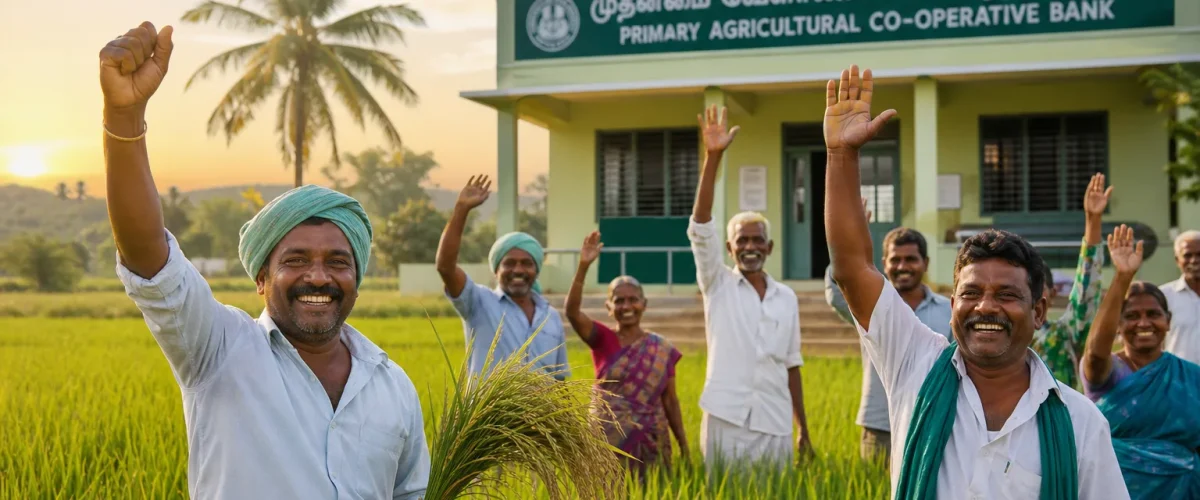
In a major policy announcement that fulfils one of his most prominent election promises, Tamil Nadu Chief Minister C. Joseph Vijay on Monday unveiled a comprehensive farm loan waiver scheme worth Rs 2,044.46 crore, benefiting approximately 14,22,555 farmers across the state. The scheme covers crop loans availed from cooperative banks between May 1, 2025, and February 28, 2026, and introduces a tiered waiver structure based on the size of landholdings — marking the first significant agricultural welfare initiative of Vijay’s tenure as Chief Minister.
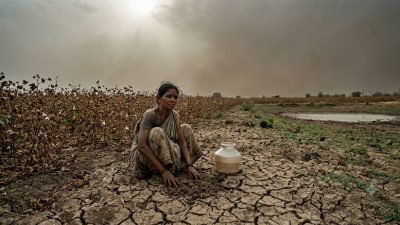
The announcement comes as Tamil Nadu’s farming community, like much of rural India, grapples with the dual challenges of a severe heatwave and rising input costs driven by the ongoing Iran conflict. For marginal farmers in particular, the waiver provides crucial financial relief at a time when many are preparing for the upcoming kharif sowing season and need access to fresh credit.
Waiver Details: Who Gets What
The farm loan waiver has been structured in three tiers based on the category of farmers:
- Marginal Farmers (below 2.5 acres): Complete waiver of crop loans up to Rs 50,000 availed from cooperative banks. Marginal farmers with outstanding loans between Rs 50,000 and Rs 60,000 will receive a waiver of Rs 40,000, while those with loans between Rs 60,000 and Rs 1 lakh will receive a Rs 50,000 waiver.
- Small Farmers (2.5 to 5 acres): A 50% waiver on crop loans up to Rs 50,000 from cooperative banks.
- Large Farmers (above 5 acres): A flat waiver of Rs 5,000 each on crop loans up to Rs 1 lakh from cooperative banks.
According to an official note from the state government, the total expenditure of Rs 2,044.46 crore will be borne entirely by the state exchequer. The government has directed cooperative banks to begin the loan adjustment process immediately, with the waiver amount to be credited directly to the borrowers’ loan accounts within 30 days of the official notification.
Vijay Delivers on Campaign Promise
The farm loan waiver was one of the central pillars of the Tamilaga Vettri Kazhagam (TVK) manifesto during the state assembly elections. Vijay, the former film superstar who founded TVK and led it to a stunning electoral victory, had promised a complete waiver of cooperative loans for all farmers — a pledge that resonated deeply in Tamil Nadu’s agrarian heartland.
However, the actual announcement has been met with a mixed reception from farmers’ organizations. While the waiver has been welcomed in principle, several groups have expressed disappointment that it falls short of the “complete waiver for all farmers” that was promised in the manifesto.
“The CM promised waiver for all farmers, not just marginal farmers,” said S. Ranganathan, President of the Tamil Nadu Vivasayigal Sangam (Farmers’ Association). “Large farmers with loans above Rs 50,000 are getting only Rs 5,000. That’s barely enough to cover a day’s diesel costs for a tractor. The government needs to honour its full promise.”
The Economics of Farm Loan Waivers
Farm loan waivers remain one of India’s most debated economic policy tools. Proponents argue they provide immediate relief to distressed farmers, prevent suicides driven by debt burden, and restart the credit cycle by making farmers eligible for fresh loans. Critics, including the RBI and several economists, contend that waivers create moral hazard, strain state finances, crowd out productive government spending, and ultimately fail to address the structural issues plaguing Indian agriculture.
At Rs 2,044 crore, the Tamil Nadu waiver is relatively modest compared to some past state-level schemes. Maharashtra’s 2017 loan waiver was estimated at Rs 34,000 crore, while Uttar Pradesh’s scheme the same year cost Rs 36,000 crore. However, Tamil Nadu’s relatively smaller agricultural debt levels and the targeted nature of the scheme mean the fiscal impact should be manageable.
“Tamil Nadu’s fiscal position is stable enough to absorb this expenditure without significant impact on the state’s development spending,” said Dr. R. Srinivasan, Professor of Economics at the University of Madras. “The key question is whether this one-time relief is accompanied by longer-term structural reforms — better MSP mechanisms, improved irrigation infrastructure, and crop insurance penetration.”
Context: The Agricultural Crisis
The loan waiver announcement comes against a backdrop of mounting agrarian distress in Tamil Nadu and across India. The severe heatwave sweeping the country has raised fears of crop damage, particularly for standing paddy and vegetable crops in the Cauvery delta region. Rising fuel and fertilizer costs, driven by the Iran war, have further squeezed farmers’ margins.
Additionally, Tamil Nadu’s farmers have been affected by erratic rainfall patterns linked to El Niño conditions, which reduced the northeast monsoon in late 2025 and left several districts with below-normal reservoir levels. The state’s irrigation infrastructure, while better than many other states, is under strain as water availability declines and demand from competing sectors — urban, industrial, and environmental — increases.
“The loan waiver addresses the symptom, not the disease,” said P. Ayyakannu, a prominent Tamil Nadu farmers’ leader. “What we really need is better MSP, reliable irrigation, and crop insurance that actually works. We appreciate the CM’s gesture, but this cannot be the end of the conversation on farm welfare.”
Political Implications
Politically, the announcement is significant as it demonstrates Vijay’s willingness to use executive power to deliver on promises, even if in a modified form. As a first-time Chief Minister who transitioned from cinema to politics, Vijay faces intense scrutiny from both opposition parties and the media on his governance capabilities.
The AIADMK, now in opposition, criticized the waiver as “insufficient and misleading,” arguing that the TVK manifesto had promised a complete waiver without any caps or tiered structure. DMK’s senior leader T.K.S. Elangovan, whose party is allied with the ruling government, defended the scheme as “a good first step” while acknowledging that “more comprehensive measures will follow.”
What Comes Next
The state government has indicated that the farm loan waiver is part of a broader agricultural reform agenda that will unfold over the coming months. According to sources, upcoming measures may include an enhanced crop insurance programme, subsidized farm mechanization, and a state-level MSP guarantee for key crops including paddy, sugarcane, and cotton.
For Tamil Nadu’s 14.2 lakh beneficiary farmers, the immediate priority is clear: getting the waiver amount credited to their loan accounts so they can access fresh credit for the upcoming sowing season. The success of the scheme will ultimately be measured not just in rupees waived, but in whether it helps farmers break free from the cycle of debt that has defined Indian agriculture for generations.
Related Articles
- Supreme Court Raps NTA Over NEET-UG 2026 Cancellation — Says Agency Has Not Learnt Its Lesson from 2024 Paper Leak
- PM Modi Distributes Over 51,000 Appointment Letters at 19th Rozgar Mela — Total Crosses 12.5 Lakh
- Election Commission Announces Rajya Sabha Polls for 24 Seats Across 10 States on June 18 2026
Explore more: Culture & Lifestyle